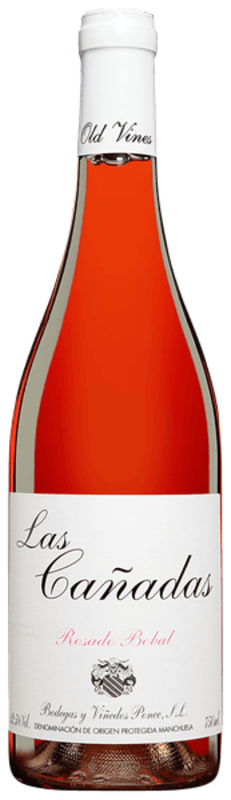


Winemaker Notes
Las Cañadas' is a classy Rosé made from a blend of red grape Bobal and white grape Albilla. The grapes are directly pressed in stainless steel and aged in French oak barrels for six months. Unfined and unfiltered, the result is a wine with mineral elegance and freshness, with a beautiful creamy texture, a light bouquet of orange, clementine, strawberry and peach.
Professional Ratings
-
James Suckling
A seductive nose showing perfumed berries, blueberries and fresh violets. Engaging white pepper funk, dark earth and minerals, too. It’s medium-bodied with sleek tannins and a bright core of succulent berries. Delicate, pure and tactile on the palate, followed by a bone-dry and gastronomic finish. Engagingly mineral in the end. Bobal and moravia agria. So drinkable now, why hold?
-
Robert Parker's Wine Advocate
A clarete produced with Bobal and Albilla grapes, the 2021 Las Cañadas also contains some 15% Moravia Agria from a vineyard they purchased that adds some floral and herbal notes to the wine. But it's a wine that can also age, a traditional style in the zone, with 12.5% alcohol (moderate) and very good freshness (pH 3.12) and acidity (6.4 grams). It fermented with indigenous yeasts in 600-liter oak barrels, where it matured for six months. The profile changes with the addition of the Moravia Agria: it's more floral, keeping the profile of the traditional clarete wines. It has some herbal notes and a mellower palate and mouthfeel than in previous vintages despite having less alcohol, but it's more vinous, perhaps the backbone of the Moravia Agria. Different from previous years.
Rating:91+


Whether it’s playful and fun or savory and serious, most rosé today is not your grandmother’s White Zinfandel, though that category remains strong. Pink wine has recently become quite trendy, and this time around it’s commonly quite dry. Since the pigment in red wines comes from keeping fermenting juice in contact with the grape skins for an extended period, it follows that a pink wine can be made using just a brief period of skin contact—usually just a couple of days. The resulting color depends on grape variety and winemaking style, ranging from pale salmon to deep magenta.

The Moors gave it the name, ‘Manxa,’ which fittingly means ‘parched earth.’ La Mancha, the largest Spanish wine producing region in all of Spain, is one of its hottest and driest. Sturdy and drought-resistant white varieietes like Airen, Viura and Verdejo thrive in this environment.