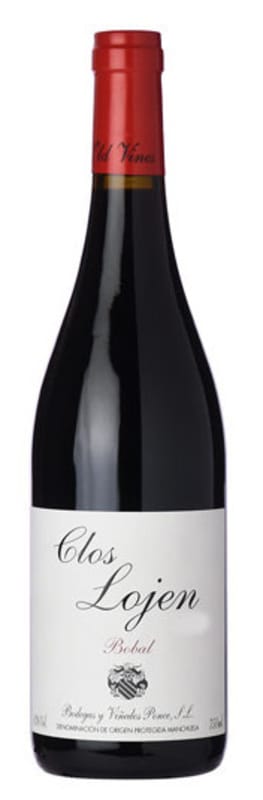


Winemaker Notes
The winemaking process begins with hand harvesting. The bunches of grapes are then chilled to 40 degrees Fahrenheit and fermented whole-bunch, with the stems, in a type of fermentation known as “remango,” which was once popular in Rioja.


Bobal is enjoying a mini renaissance in Spain today as high-elevation vineyards in its homeland of Utiel-Requena produce dense and velvety wines dominated by dark berry and cocoa characteristics. However, its function as Spain’s second most planted red grape variety was once only for bulk wine and concentrate. Since it is drought-resistant, it does well grown as unirrigated bush vines and acts as a fine voice of terroir. Somm Secret—Bobal also shows great potential for rosé and sparkling wines because of its high levels of acidity and anthocyanins.

The Moors gave it the name, ‘Manxa,’ which fittingly means ‘parched earth.’ La Mancha, the largest Spanish wine producing region in all of Spain, is one of its hottest and driest. Sturdy and drought-resistant white varieietes like Airen, Viura and Verdejo thrive in this environment.