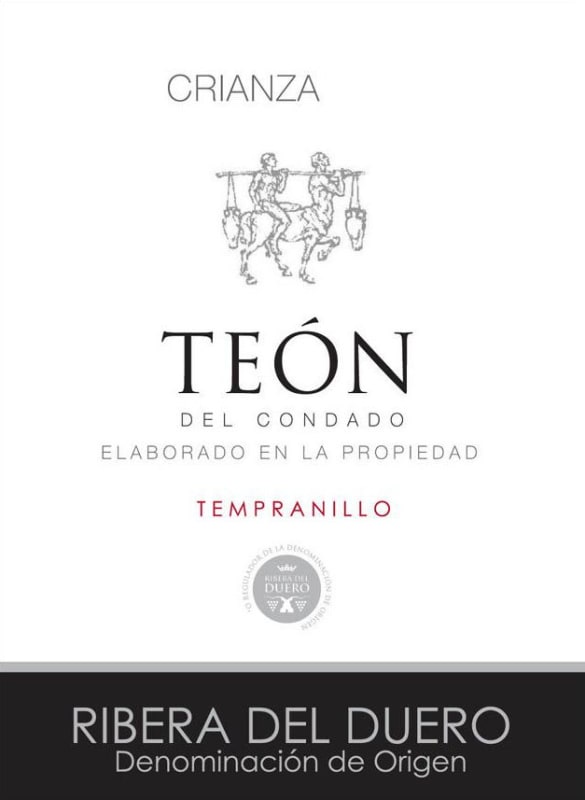

Winemaker Notes





Ontañón is the name of the mountain valley where for many generations the Pérez-Cuevas family has owned land. The family’s identity is rooted in this sub-region of Rioja Oriental, which is located near their hometown of Quel. Their vineyards are, on average, about 750 meters above sea level with a combination of iron-rich clay soil and some calcareous deposits and are some of the highest altitude vineyards in the entire Rioja region. The climate is strongly influenced by the high elevation, but also by the Mediterranean weather patterns. This area experiences the greatest temperature shift, day to night, in all of Rioja, yet produces wine of amazing consistency and balance. Ontañón wines are pure of fruit with a strong underpinning of acidity - true to where they come from but in a style that is unique to this distinctive parcel of land. Bodega Ontañón is a multi-generational, family-owned winery located in the southeastern subregion of Rioja Oriental. Our 250 hectares (ca.620 acres) of vineyard land sit high in the Sierra Yerga Mountains outside of the township of Quel, which has been one of Rioja’s outstanding winemaking centers for three centuries. We take great pride in maintaining these vineyards in the most sustainable manner possible, as it is our land that supports our family tradition in wine. “Passion for the vine, passion for wine and passion for art” is our motto, as we believe that each of these elements contributes to the human experience and illustrates the vital connection of the land to people and culture. Raquel, Rubén and María Pérez Cuevas are part of the fifth generation of the Pérez Cuevas family to carry on the tradition of grape growing in the southern part of Rioja. Their father, Gabriel, inherited a portion of his family’s vineyards, located in the high mountain slopes of the Sierra de Yerga mountains just south of the River Ebro in Rioja Oriental. When he took over in the early 1980s, Gabriel began making wine from these vineyards rather than selling the fruit as his ancestors had. He was determined to produce wines that embodied the region of Quel, where his family had deep roots and where he believed the highest quality wines from Rioja were produced. He began to sell his wines, then labeled as “Arteso”, in the local area and later throughout Spain. As sales continued to increase, Gabriel purchased more vineyard land in his native region. During his father’s and grandfather’s time, Quel was the center of quality wine from Rioja. All of the original “wineries” were dug out of the rock faces that encircled the town and consisted of hollowed-out clay fermentation vats with chimney-like chutes dug straight through to the top of the cliffs. The grapes were delivered in old comportillos (grape baskets), carried down the mountain slopes from the vineyards via mules. This tradition primarily evolved as a practical measure so that neither the winemakers nor their pack animals had to carry the year’s harvest up the back-breaking steep cliffs, but it also mirrored early gravity-flow systems. Of course, in that age there were no barrels and no extensive winemaking regulations as there are now in the D. O. Ca. of Rioja, but the fruit from this part of Rioja was known to be among the best.

Notoriously food-friendly, long-lasting and Spain’s most widely planted grape, Tempranillo is the star variety of red wines from Rioja and Ribera del Duero. The Rioja terms Joven, Crianza, Reserva and Gran Reserva indicate both barrel and bottle time before release. Traditionally blended in Rioja with Garnacha, plus a bit of Mazuelo (Carignan) and Graciano, the Tempranillo in Ribera del Duero typically stands alone. Somm Secret—Tempranillo claims many different names depending on location. In Penedès, it is called Ull de Llebre and in Valdepeñas, goes by Cencibel. Known as Tinta Roriz in Portugal, Tempranillo plays an important role in Port wine.

Ribera del Duero, Spanish wine region, is located in northen Spain’s Castilla y León region, just a 2-hour drive from Madrid. While winemaking in this area goes back more than 2000 years, it was in the 1980s that 9 wineries applied for and were granted Denominación de Origen (D.O.) status. Today, more than 300 wineries call Ribera del Duero home, including some of Spain’s most iconic names.
Notable Facts Ribera’s main grape variety, Tempranillo, locally know as Tinto Fino, is perfectly suited to the extreme climate of the region, where it must survive scorching summers and frigid winters. Low yields resulting from conscientious tending to old vines planted in Ribera’s diverse soils types, give Ribera wines a distinctive depth and complexity not found in other Tempranillos. Rich and full-bodied, the spice, dark fruit and smoky flavors in a bold Ribera del Duero will pair well with roasted and grilled meats, Mexican food and tomato-based sauces.