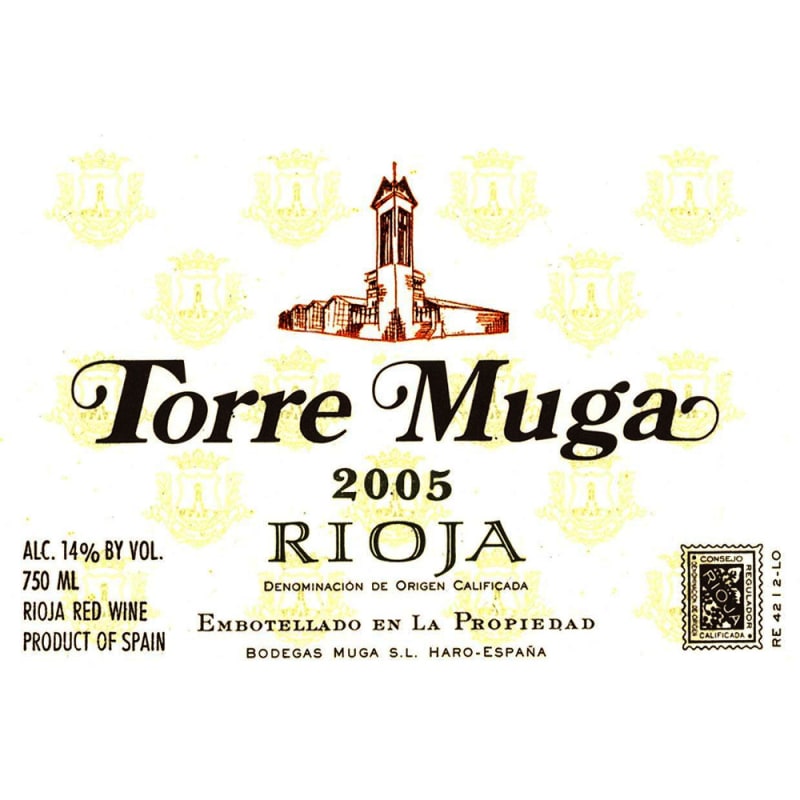

Winemaker Notes
Professional Ratings
-
James Suckling
Still pretty young and concentrated, showing depth and tarry blackberries, dried earth, black cherries and chocolate. Juicy, full and structured, with lots of dusty tannins that have started to melt. Long and broad.
-
Robert Parker's Wine Advocate
The 2005 Torre Muga is composed of 75% Tempranillo, 15% Mazuelo, and 10% Graciano. Purple-colored and made in a more international style, it presents a brooding bouquet of pain grille, mineral, scorched earth, incense, and blackberry. Massive on the palate, the wine has tons of material, great density, and 6-8 years of cellaring potential. This packed and stacked effort will have a drinking window extending from 2017 to 2045.
-
Wine Enthusiast
A rich, bacony, black fruit monster with deep, molten flavors and immense body and tannic grab. A bruising wine with boysenberry, blackberry, mint, licorice and chocolate for primary flavors, and then lemony oak as a backdrop. Young, tannic and wild now; best from 2011 through 2015.
-
Wilfred Wong of Wine.com
COMMENTARY: The 2005 Torre Muga was like taking Old World royalty. TASTING NOTES: This wine is well-developed and highlights the magic of Rioja. Its complex aromas of dust, black fruit, and earth make me want to return to Rioja for another visit. (Tasted: March 6, 2019, San Francisco, CA)
-
Wine Spectator
Racy and vivid, this modern red brims with black raspberry and blueberry fruit, backed by spicy oak, with cinnamon and mineral accents. The velvety texture is framed by well-integrated tannins. Drink now through 2018.
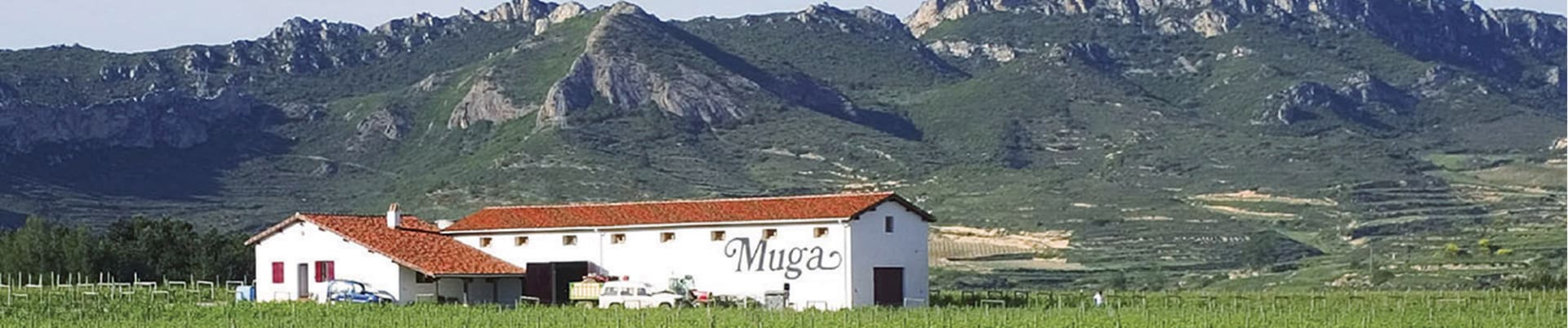





Bodegas Muga is a family firm founded in 1932 by Isaac Muga and Aurora Caño. The first wines were made in an underground cellar, until in 1968 they decided to set up their own winery in a beautiful old 19th-century town-house situated in the city of Haro. The Bodegas Muga outstanding feature is that it always uses the finest materials, combining tradition with the latest advances in winemaking so as always to give its wines the very best quality without losing authenticity. Indeed, it is the only wine cellar in Spain which employs its own master cooper and coopers, who make all the vats for the cellar as well as the oak casks. The winery remains true to traditional winemaking methods such as racking the casks by gravity and fining the wine with fresh egg whites. Bodegas Muga has succeeded in combining the purest family tradition with an updated vision of the future which has allowed them to preserve their own personality and character.

Hailed as the star red variety in Spain’s most celebrated wine region, Tempranillo from Rioja, or simply labeled, “Rioja,” produces elegant wines with complex notes of red and black fruit, crushed rock, leather, toast and tobacco, whose best examples are fully capable of decades of improvement in the cellar.
Rioja wines are typically a blend of fruit from its three sub-regions: Rioja Alta, Rioja Alavesa and Rioja Oriental, although specific sub-region (zonas), village (municipios) and vineyard (viñedo singular) wines can now be labeled. Rioja Alta and Alavesa, at the highest elevations, are considered to be the source of the brightest, most elegant fruit, while grapes from the warmer and drier, Rioja Oriental, produce wines with deep color, great body and richness.