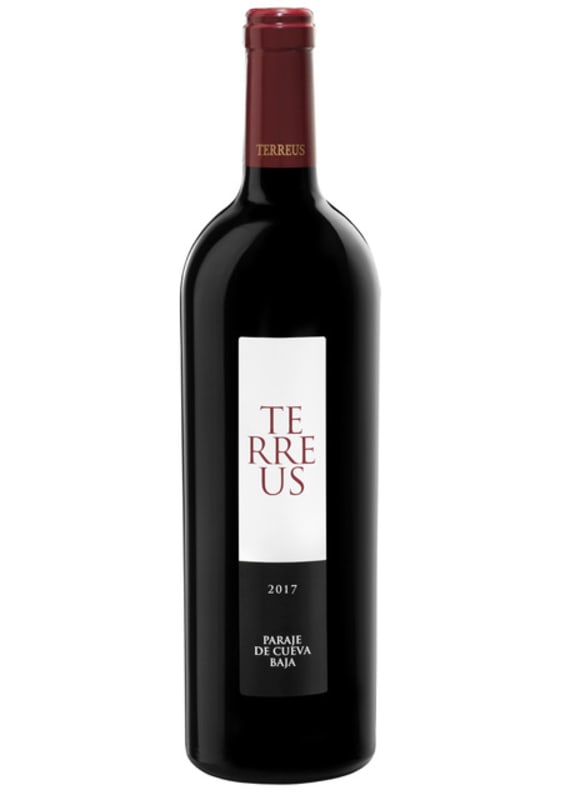


Winemaker Notes
A single vineyard wine sourced from the Paraje de Cueva Baja made up of just 3 hectares of old vines planted on very loose soils of clay and sand. Complete character.
Professional Ratings
-
Wine Enthusiast
This dark ruby-colored wine offers aromas of black currant, lavender and anisette. It is bright in the mouth from start to finish, with flavors of black cherry, pomegranate, milk chocolate, orange zest, clove and violet. Luxurious tannins and vibrant acidity linger on the palate long after the last sip.
-
Robert Parker's Wine Advocate
I also tasted the 2017 Terreus Paraje de Cueva Baja, which had amazing balance even after only one month after bottling. There is amazing finesse and balance, the oak is beautifully integrated and the wine is floral and terribly pleasant. They did a softer vinification with a shorter maceration, and they used less new oak. It all paid off. This has to be among the finest 2017s from the Duero zone.


Spanish red wine is known for being bold, heady, rustic and age-worthy, Spain is truly a one-of-a-kind wine-producing nation. A great majority of the country is hot, arid and drought-ridden, and since irrigation has only been recently introduced and (controversially) accepted, viticulture has sustained—and flourished—only through a great understanding of Spain’s particular conditions. Large spacing between vines allows each enough resources to survive and as a result, the country has the most acreage under vine compared to any other country, but is usually third in production.
Of the Spanish red wines, the most planted and respected grape variety is Tempranillo, the star of Spain’s Rioja and Ribera del Duero regions. Priorat specializes in bold red blends, Jumilla has gained global recognition for its single varietal Monastrell and Utiel-Requena has garnered recent attention for its reds made of Bobal.