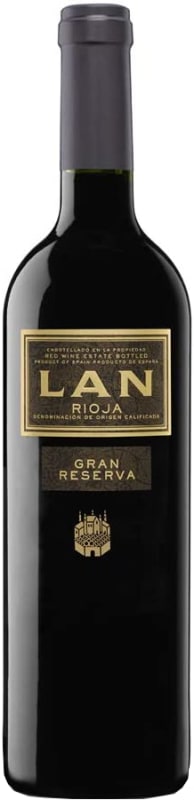


Winemaker Notes
Blend: 97% Tempranillo, 3% Mazuelo.
Professional Ratings
-
James Suckling
Bitter chocolate, raspberries, blackberries, spice box and some spearmint on the nose. Complex and flavorful, with a medium to full body, a firm tannin frame, and a lengthy, compact finish.
-
Wine Spectator
Lively and harmonious on the palate, this medium- to full-bodied version offers an appealing range of pureed black cherry and cassis, minerally iron and smoke, mocha and licorice notes. Silky in texture, with fine-grained tannins emerging on the lingering finish. Shows good focus throughout, yet is very accessible. Tempranillo and Graciano. Drink now through 2030. 15,000 cases made, 3,700 cases imported.
-
Wilfred Wong of Wine.com
COMMENTARY: The 2016 Emilio Moro Gran Reserva is complex and persistent on the palate. TASTING NOTES: This wine offers aromas and flavors of licorice, pencil lead, and oaky notes. Pair it with a well-marbled grilled ribeye. (Tasted: October 7, 2023, San Francisco, CA)


Hailed as the star red variety in Spain’s most celebrated wine region, Tempranillo from Rioja, or simply labeled, “Rioja,” produces elegant wines with complex notes of red and black fruit, crushed rock, leather, toast and tobacco, whose best examples are fully capable of decades of improvement in the cellar.
Rioja wines are typically a blend of fruit from its three sub-regions: Rioja Alta, Rioja Alavesa and Rioja Oriental, although specific sub-region (zonas), village (municipios) and vineyard (viñedo singular) wines can now be labeled. Rioja Alta and Alavesa, at the highest elevations, are considered to be the source of the brightest, most elegant fruit, while grapes from the warmer and drier, Rioja Oriental, produce wines with deep color, great body and richness.