
Winemaker Notes





Bodegas Juan Gil is the Gil Family Estate's flagship winery, founded in 1916 by Juan Gil Giménez. Over 107 years, the winery has been consolidated and improved, applying technological advancements to the traditional knowledge passed down through the years. Today the 4th and 5th generations of the Gil family run the winery and group. Located in Southeastern Spain, about 60 miles from the Mediterranean coast, the region experiences a continental climate which is quite extreme: summers are hot with intense sun and winter is long and cold. Diurnal temperature fluctuations are also extreme and rainfall is limited to about 12 inches per year. The vineyards are planted between 2,000 and 2,800 feet above sea level on sandy and rocky limestone soils that are very poor in nutrients, but have a great capacity to hold what little rain does fall. Organic and dry farming is quite typical in Jumilla due to these conditions. Jumilla is known for Monastrell, with over 80% of vineyards planted with it. The Gil family's vineyards are between 40 and 100 years old with very low yields (aprox. 2,200 lb/ac). Monastrell is a thick-skin grape that thrives in the harsh conditions of the climate and terrain of Jumilla, leading to wines with great structure and intense color and complex aromas.
All of the Gil family's estate vineyards are dry-farmed without the use of any pesticides or herbicides and the winery is fully solar powered and "Zero-Waste" (by product is composted, water recycled). The addition of sulfites is kept to the bare minimum to conserve the wines and no other additives are used. The Gil family's commitment to sustainable farming and winemaking doesn't stop there; they are also Gold members of the International Wineries for Climate Action, an international organization which holds the ambitious goal of reaching Net Zero emissions by 2050, all of which requires investments in renewable energy, further shifting agricultural and business practices to reduce their carbon footprint, as well as instilling a culture of sustainability across all aspects of their business.
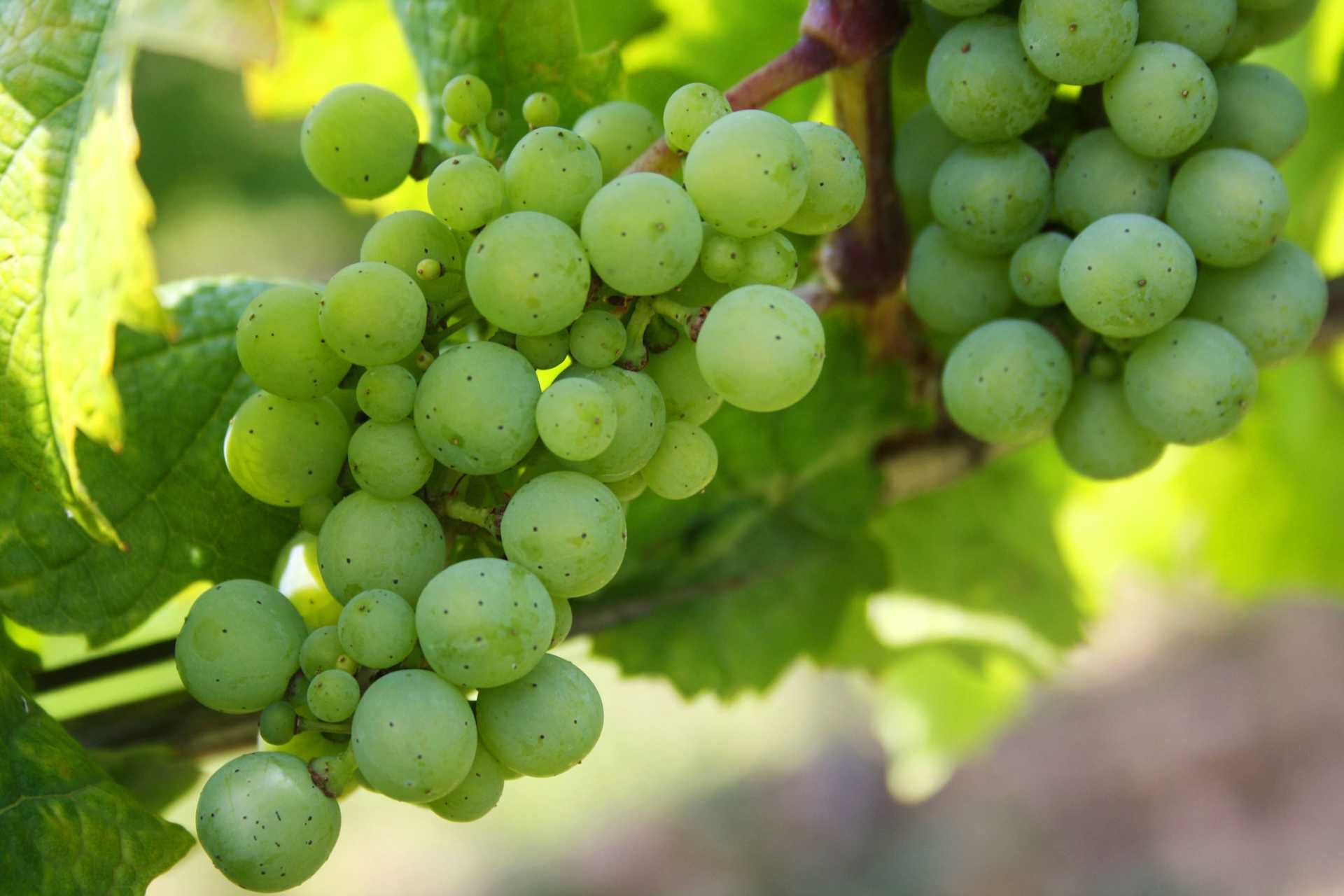
With hundreds of white grape varieties to choose from, winemakers have the freedom to create a virtually endless assortment of blended white wines. In many European regions, strict laws are in place determining the set of varieties that may be used in white wine blends, but in the New World, experimentation is permitted and encouraged. Blending can be utilized to enhance balance or create complexity, lending different layers of flavors and aromas. For example, a variety that creates a soft and full-bodied white wine blend, like Chardonnay, would do well combined with one that is more fragrant and naturally high in acidity. Sometimes small amounts of a particular variety are added to boost color or aromatics. Blending can take place before or after fermentation, with the latter, more popular option giving more control to the winemaker over the final qualities of the wine.

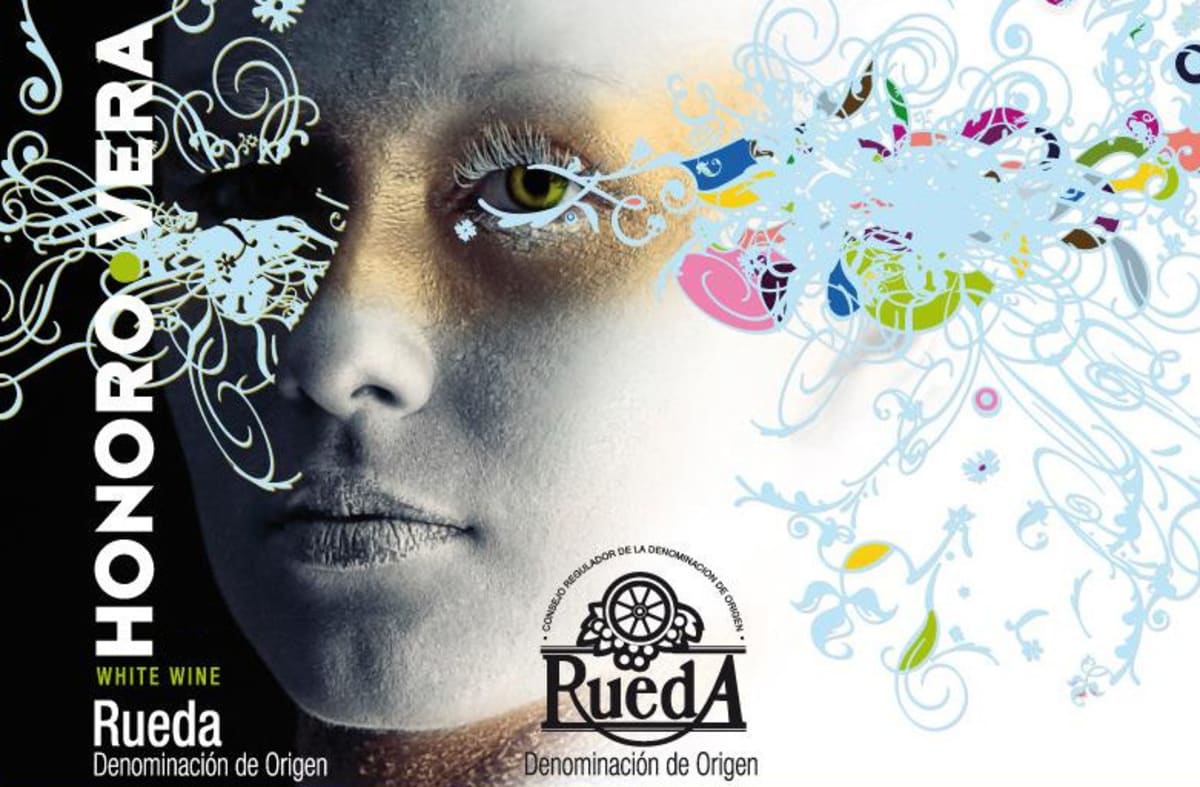
Rueda is located along the banks of the Duero River in Spain’s Castilla y León region, just a 2-hour drive north of Madrid. While winemaking in this area goes back to the 12th century, it was in the 1980s that the region was granted Denominación de Origen (D.O.) status. Today, more than 70 wineries call Rueda home. This national favorite is the top-selling white wine in Spain.
Notable facts Rueda’s main grape variety, Verdejo, gets it distinct complexity from stressful growing conditions and mineral-rich soil. Think of Verdejo as a fuller-bodied and more aromatic Sauvignon Blanc. A lush and smooth character with perfectly balanced acidity means Rueda wines pair well with seafood, fresh salads and spicy food, but are also great on their own.