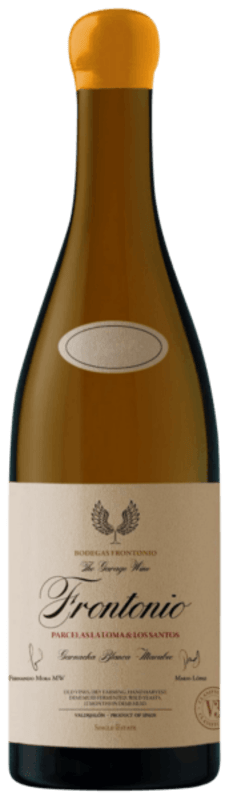


Winemaker Notes
Blend: 60% Macabeo, 40% Garnacha Blanca
Professional Ratings
-
Robert Parker's Wine Advocate
The white 2023 La Loma & Los Santos, containing some 60% Macabeo and 40% Garnacha Blanca, fermented in concrete and matured in 500- and 900-liter oak barrels, with some Macabeo in concrete egg, for 13 months. This has to be the finest vintage of this white; it's a year with more tension and is very expressive and nuanced, with notes of dry yellow flowers and pollen. It is finessed, beautifully textured and velvety, with volume, sapidity and electricity, and it is crunchy and citrusy, with a salty twist in the finish. This should age nicely in bottle.
-
James Suckling
This has aromas of peaches, white flowers and a saline touch. The palate is harmonious, with a chiseled profile and linearity that follow through to a saline finish. A blend of macabeo and garnacha blanca from two vineyards. Fermented in cement and aged in Austrian and French oak. Drink or hold.
White grapes are used in two famous types of Spanish wine, Sherry and Cava, but we will limit this discussion to still whites. Let’s begin with perhaps the best known and most highly regarded internationally, Albariño . Produced in the region of Rías Baixas, just above Portugal in northwestern Spain, Albariño typically sees no or little oak and is medium to medium-plus in body. Aroma and flavor notes often include citrus and peach, often with subtle floral notes and a suggestion of sea spray, giving the wine a zesty feel. Often bottled as a single varietal, Albariño is sometimes blended with other indigenous grapes like Loureira and Treixadura. Try one of these Spanish whites from Forjas del Salnes.
Let’s look at a few other Spanish white wines. Godello also hails from northwestern Spain and presents a profile of grapefruit, minerality and a slight smoky quality. Enjoy a bottle from Bodegas Avancia. The region of Rueda, northwest of Madrid, is home to Verdejo , which makes refreshing, un-oaked white wines whose herbal vibrancy recalls Sauvignon Blanc . Protos makes a tasty version. Up north in the Basque region, we find the wine called Txakoli (sometimes called Txakolina). Pronounced “sha-ko-LEE,” it’s made from a local grape called Hondurrabi Zuri and is light, fresh, citrusy, dry … and with razor sharp acidity that makes it a fantastic partner with local seafood and tapas. Ameztoi Gertariako is a good Spanish white wine producer to check out.
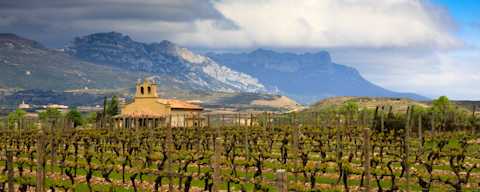
The Penedѐs region, best known for the oceans of delicious Cava it sends to the world, also produces still Spanish whites, sometimes from international varieties like Chardonnay , and often from the same grapes used for Cava. These include Parellada, Xarel-lo and Macabeo. Avaline produces a fine example of Penedes white. Finally, we visit the Rioja region. While it is historically and internationally famous for its reds, Rioja also produces fine Spanish white wines. These are usually based on Viura (the local name for Macabeo) and make good everyday sippers, although some aged versions can be stunningly complex. A good place to start is the white Rioja from Bodegas Muga.
As you can see, Spanish white wines offer a vast opportunity for exploration!