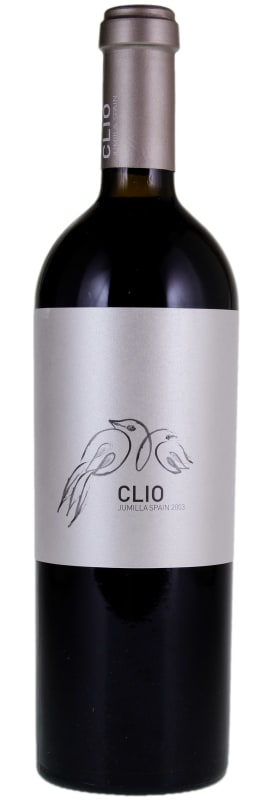


Winemaker Notes
A good pair with rice, pasta, (noodles, spaghetti, macaroni), vegetables,mushroom, stewed meat, sausage, pork, roast meat, redand/or white meat with sauces, grilled meat, short or mediumcheeses.
Professional Ratings
-
Robert Parker's Wine Advocate
A blend of 30% Cabernet Sauvignon (26-year-old vines) and 70% Mourvedre (61-year-old vines), the 2003 Clio spent 26 months in French and American oak. Its deep purple color is accompanied by classic aromas of creme de cassis intermixed with licorice, espresso roast, chocolate, and toasty oak. Its broad, intensely flavored, super-opulent personality offers up great fruit, plenty of glycerin, and a heady, long finish. Approachable now, it should be at its best in 2-5 years, and drink well for 10-15.
-
Wine Spectator
This big red is expressive, with vibrant currant, chocolate, orange peel and toasted walnut flavors and a firm tannic foundation. Exotic and alluring. Mourvèdre and Cabernet Sauvignon.


Spanish red wine is known for being bold, heady, rustic and age-worthy, Spain is truly a one-of-a-kind wine-producing nation. A great majority of the country is hot, arid and drought-ridden, and since irrigation has only been recently introduced and (controversially) accepted, viticulture has sustained—and flourished—only through a great understanding of Spain’s particular conditions. Large spacing between vines allows each enough resources to survive and as a result, the country has the most acreage under vine compared to any other country, but is usually third in production.
Of the Spanish red wines, the most planted and respected grape variety is Tempranillo, the star of Spain’s Rioja and Ribera del Duero regions. Priorat specializes in bold red blends, Jumilla has gained global recognition for its single varietal Monastrell and Utiel-Requena has garnered recent attention for its reds made of Bobal.