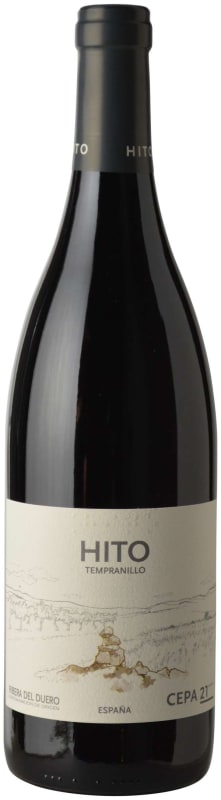


Winemaker Notes
The word “HITO" means milestone, a stone post, sometimes carved, used to indicate direction or distance on roads or to delimit fields. HITO was created as a young wine in order to complete the range of this modern, innovative winery. Made from the youngest vines of the winery, grafted with Tinto Fino clones from the flagship vineyards of Bodegas Emilio Moro.
Cherry red colour covered with clear violets around the rim. The nose is very intense and complex. Red fruits of raspberry and strawberry, black ones of blackcurrant, mulberry and blackberry. Elegant fine oak, subtly toasted with notes of black licorice. Fleshy with sweet tannins that give volume, and with a long aftertaste.
Professional Ratings
-
Wine Spectator
A silkiness masks depth and density in this polished red. Cherry and berry flavors are ripe and juicy, backed by vanilla, spice and floral notes. Well-integrated tannins keep this focused through the toasty finish. Drink now through 2026.
-
James Suckling
Big blueberry nose and generous tannins make this a bold wine and there’s a nice freshness on the finish. If this was more polished, it would rate even higher. Drink or hold.


Notoriously food-friendly, long-lasting and Spain’s most widely planted grape, Tempranillo is the star variety of red wines from Rioja and Ribera del Duero. The Rioja terms Joven, Crianza, Reserva and Gran Reserva indicate both barrel and bottle time before release. Traditionally blended in Rioja with Garnacha, plus a bit of Mazuelo (Carignan) and Graciano, the Tempranillo in Ribera del Duero typically stands alone. Somm Secret—Tempranillo claims many different names depending on location. In Penedès, it is called Ull de Llebre and in Valdepeñas, goes by Cencibel. Known as Tinta Roriz in Portugal, Tempranillo plays an important role in Port wine.

Ribera del Duero, Spanish wine region, is located in northen Spain’s Castilla y León region, just a 2-hour drive from Madrid. While winemaking in this area goes back more than 2000 years, it was in the 1980s that 9 wineries applied for and were granted Denominación de Origen (D.O.) status. Today, more than 300 wineries call Ribera del Duero home, including some of Spain’s most iconic names.
Notable Facts Ribera’s main grape variety, Tempranillo, locally know as Tinto Fino, is perfectly suited to the extreme climate of the region, where it must survive scorching summers and frigid winters. Low yields resulting from conscientious tending to old vines planted in Ribera’s diverse soils types, give Ribera wines a distinctive depth and complexity not found in other Tempranillos. Rich and full-bodied, the spice, dark fruit and smoky flavors in a bold Ribera del Duero will pair well with roasted and grilled meats, Mexican food and tomato-based sauces.