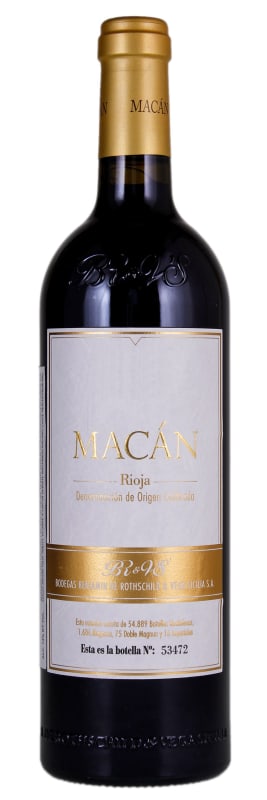


Winemaker Notes
Macán 2018, a vibrant, elegant, and subtle vintage. A vintage with nuances, definition, and a trendsetting feeling.
Professional Ratings
-
James Suckling
A beautiful, complex nose with creamy spices, cedar, fresh blackberries, red plums, truffles and hints of walnuts and mocha. Medium to full body with multidimensional tannins that are tight as a rock, coating the palate in a linear way, penetrating from the entry to the end with a final thud. Give it three or years to come around. Drink from 2025.
-
Robert Parker's Wine Advocate
The 2018 Macán has moderate alcohol (14%) and more freshness (pH 3.69), reflecting a cooler and rainier year that forced them to fine-tune the sorting and selection of the grapes, which fermented with selected yeasts. The élevage was in barrel (55%) and larger foudres for 16 months. 2018 was quite different from 2019, as it was cooler and rainier. The wine is serious and harmonious, which was a challenge, and winemaker Gonzalo Iturriaga told me that they had to be very careful and sort and select the grapes. It's textured and elegant, a style that follows the path of the 2016; it's elegant but with depth, managing the élevage in foudre better, which was a learning process they started in 2016.
Rating: 94+ -
Wine Enthusiast
Aromas of Chambord and cedar pave the way for cassis, Simka plum, cocoa-powder, coffee-bean and baking-spice flavors. Sturdy tannins come on hard and heavy and slowly peel away to reveal a closing note of violet.
-
Wine Spectator
Minerally on the nose, with hints of iron and tarry smoke underscoring a lovely range of crushed black cherry and wild strawberry fruit, revealing accents of dried mint, espresso and bitter almond. Firm and fresh, this tightly meshed version evolves in the glass and lingers on the lightly spiced finish. Drink now through 2030. 6,214 cases made, 580 cases imported.


Hailed as the star red variety in Spain’s most celebrated wine region, Tempranillo from Rioja, or simply labeled, “Rioja,” produces elegant wines with complex notes of red and black fruit, crushed rock, leather, toast and tobacco, whose best examples are fully capable of decades of improvement in the cellar.
Rioja wines are typically a blend of fruit from its three sub-regions: Rioja Alta, Rioja Alavesa and Rioja Oriental, although specific sub-region (zonas), village (municipios) and vineyard (viñedo singular) wines can now be labeled. Rioja Alta and Alavesa, at the highest elevations, are considered to be the source of the brightest, most elegant fruit, while grapes from the warmer and drier, Rioja Oriental, produce wines with deep color, great body and richness.