

Winemaker Notes
Organically grown
Professional Ratings
-
James Suckling
A dense, layered red with blue fruit, lavender and some violets. It’s full and rich, yet tight and chewy. Really needs time to soften some of the rather angular tannins. But showing lots of terroir-driven character. From organically grown grapes. Better after 2022.
-
Robert Parker's Wine Advocate
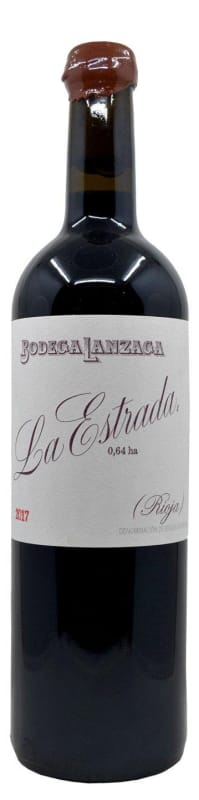
The 2017 La Estrada, one of the new single-vineyard bottlings produced since 2014, comes from a northeast-facing 0.64-hectare plot, one of the highest vineyards in the village of Lanciego, at 610 meters in altitude, which helped to avoid the effect of the spring frost of 2017. It fermented in an open-top 3,000-liter oak vat and matured in a combination of foudres and barriques for 14 to 16 months. For me, La Estrada and El Velado are in a different quality level than Tabuerniga and Las Beatas. This has a very Rioja character, with a faint rusticity, ripeness and some dusty tannins, but it's still very fresh for the conditions of the year. 1,932 bottles were filled in May 2019.


Hailed as the star red variety in Spain’s most celebrated wine region, Tempranillo from Rioja, or simply labeled, “Rioja,” produces elegant wines with complex notes of red and black fruit, crushed rock, leather, toast and tobacco, whose best examples are fully capable of decades of improvement in the cellar.
Rioja wines are typically a blend of fruit from its three sub-regions: Rioja Alta, Rioja Alavesa and Rioja Oriental, although specific sub-region (zonas), village (municipios) and vineyard (viñedo singular) wines can now be labeled. Rioja Alta and Alavesa, at the highest elevations, are considered to be the source of the brightest, most elegant fruit, while grapes from the warmer and drier, Rioja Oriental, produce wines with deep color, great body and richness.