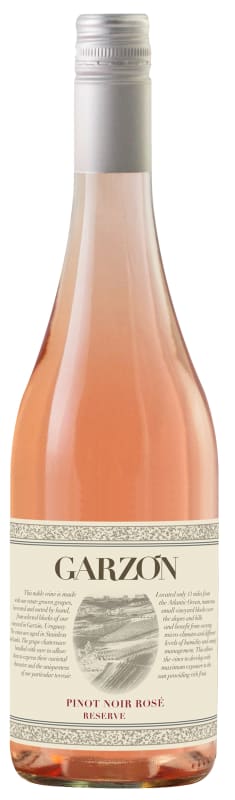


Winemaker Notes
Obtained from a careful selection of Pinot Noir grapes, this Rosé wine presents an elegant pale pink color. The nose is intense and fruity, with aromas reminiscent of red fruits such as cherries and strawberries. Its mouth is well balanced, with an excellent development. Its strong acidity and minerality make it an ideal wine to enjoy in marine climates.
This fresh rosé wine is a perfect companion for Mediterranean food, tapas, sushi, salmon, and roasted fish. It is an ideal pairing for deserts with chocolate and cherry flavors. Enjoy it cold.
Blend: 100% Pinot Noir
Professional Ratings
-
James Suckling
A very beautiful rosé with sliced-strawberry and light apple character. Medium body. Creamy and refined on the palate. Flavorful and dry on the finish. Yet, there’s serious tension and focus to the wine.
-
Wilfred Wong of Wine.com
COMMENTARY: The 2019 Garzón Pinot Noir Rosé is an excellent example of a high-quality pink wine made from this finicky grape variety, and it doesn't emanate for a historical, well-known growing region. TASTING NOTES: This wine delivers beautiful aromas and flavors of mineral notes and tart red fruits. Enjoy it with a plate of sashimi featuring fresh salmon, red tuna, and long-neck clam. (Tasted: May 7, 2020, San Francisco, CA)


Whether it’s playful and fun or savory and serious, most rosé today is not your grandmother’s White Zinfandel, though that category remains strong. Pink wine has recently become quite trendy, and this time around it’s commonly quite dry. Since the pigment in red wines comes from keeping fermenting juice in contact with the grape skins for an extended period, it follows that a pink wine can be made using just a brief period of skin contact—usually just a couple of days. The resulting color depends on grape variety and winemaking style, ranging from pale salmon to deep magenta.
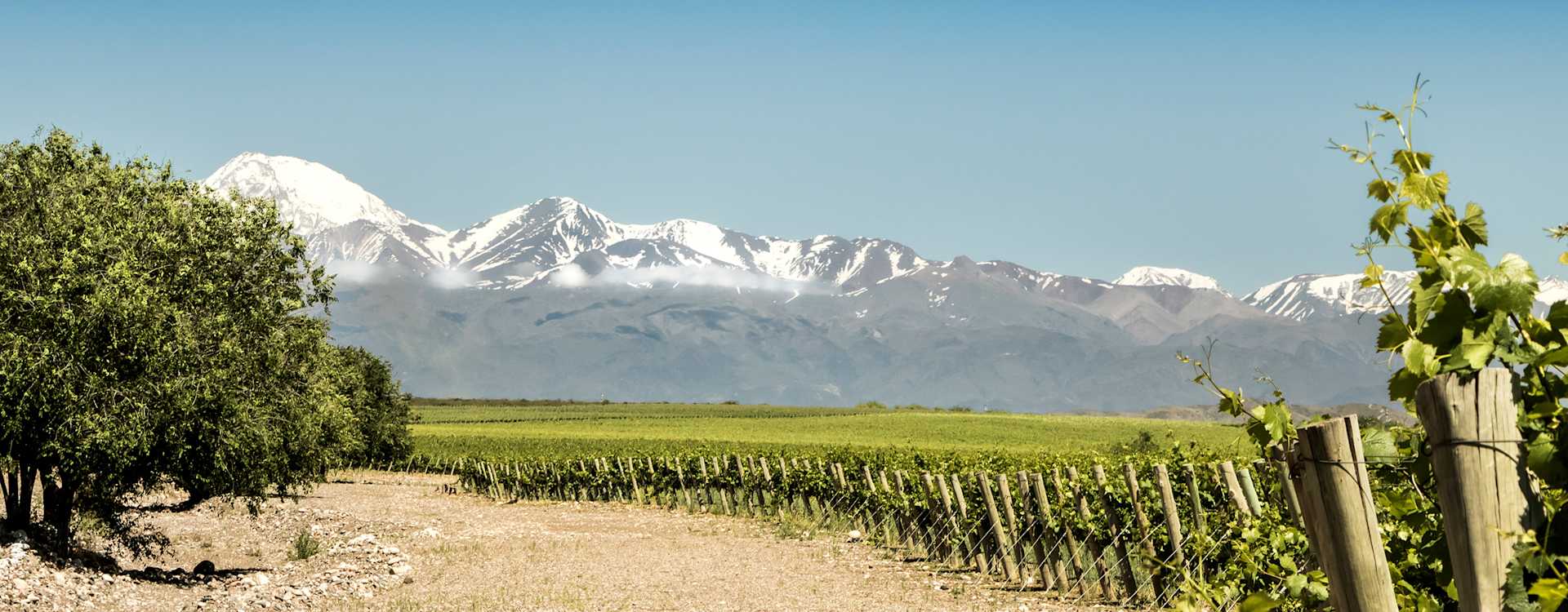
Considered one of the most environmentally sustainable countries in the world, Uruguay is also the fourth largest wine producing country in South America. But in contrast to its neighbors (Chile, Argentina and even Brazil) Uruguay keeps more in step with its European progenitors where land small holdings are most common. Most Uruguayan farms are tiny (averaging only about five hectares) and family-run, many dating back multiple generations. At this size, growers either make small amounts of wine for local consumption or sell grapes to a nearby winery. In all of Uruguay there are close to 3,500 growers but fewer than 300 wineries.
On these small plots of land, manual tending and harvesting, as well as low yields are favored; this small agricultural country has never had a need for large-scale chemical fertilizers or insecticides. Their thriving meat industry also follows the same standards: hormones have been banned since 1968 and today all Uruguayan beef is organic and grass-fed.
Uruguay’s best vineyards are on the Atlantic coast, in Canelones and Maldonado (where cooling breezes lessen humidity) or found hugging its border with Argentina. With a climate similar to Bordeaux and soils clay-rich and calcareous, Uruguay is perfect for Tannat, a thick-skinned, red variety native to Southwest, France. A great Tannat from Uruguay will have no lack of rich red and black fruit, lots of sweet spice and a hefty structure. Sometimes winemakers blend Merlot or Pinot noir with Tannat to soften up its rough edges.
The best Uruguayan whites include Sauvignon blanc and Albarino.