


Winemaker Notes
Garzón Balasto is a richly spiced wine with aromas of fresh red and black fruit, licorice, graphite, and a hint of tobacco. The palate is vibrant and full-bodied, with juicy tannins and subtle minerality that give way to a long, textural finish.
Garzón Balasto, with its robust character and rich flavors, is an ideal companion for a variety of dishes. It pairs beautifully with grilled meat, juicy roasts, and rich stews.
Blend: 42% Tannat, 39% Cabernet Franc, 19% Petit Verdot
Professional Ratings
-
James Suckling
The aromatics are impressive, with orange blossoms, sliced oranges and black fruit. Hints of tar with some minerals, fresh spices and chiles. Medium-bodied with very fine tannins that run the length of the wine. They are polished and curated. Chewy at the end but there’s a finesse, tension and focus. 42% tannat, 39% cabernet franc and 19% petit verdot. Drinkable now, but better from 2027.
-
Wine & Spirits
Garzón’s granite formed before Pangaea started to break apart 200 million years ago: Managing Director Christian Wiley says geologists trace the soil back 2.5 billion years, and that no vines arrived to feed on that soil until 2008, when Alejandro Bulgheroni decided to plant vineyards rather than a windfarm near Pueblo Garzón. “In the past, people just fished and worked with cows,” says Wiley, who oversees this vast project for the Argentine billionaire. The winegrowing team, headed up by Germán Bruzzone (from an Uruguayan winegrowing family) and lead consultant Alberto Antonini, had to train the local workers in viticulture, and have planted 625 acres of vines since the project began. Balasto, named for the clay-free granite in which those vines grow, is the team’s most ambitious wine. For this taster, the 2020 is the year they got it right. A blend of 42 percent tannat, 39 percent cabernet franc and 19 percent petit verdot, this fermented in 8,000-liter cement tulips then aged in untoasted French oak barrels. The wine achieves a complex dynamic between oak tannins and musky dark cherry fruit, all the while holding to its cool, oceanic provenance. Both luscious and fresh, this is an elegant wine at the beginning of its life. It will be fascinating to open the 2020 in 2030 and 2040, to find out where its power and dynamism will lead.
-
Wine Spectator
Opens with subtle leather, spice and graphite notes, offering good density to the plum and brambly berry flavors. Picks up spiced chocolate notes on the finish, where there is a firm grip of tannins, so patience is required. Tannat, Cabernet Franc and Petit Verdot. Best from 2025 through 2033.


With hundreds of red grape varieties to choose from, winemakers have the freedom to create a virtually endless assortment of blended red wines. In many European regions, strict laws are in place determining the set of varieties that may be used, but in the New World, experimentation is permitted and encouraged resulting in a wide variety of red wine styles. Blending can be utilized to enhance balance or create complexity, lending different layers of flavors and aromas. For example, a red wine blend variety that creates a fruity and full-bodied wine would do well combined with one that is naturally high in acidity and tannins. Sometimes small amounts of a particular variety are added to boost color or aromatics. Blending can take place before or after fermentation, with the latter, more popular option giving more control to the winemaker over the final qualities of the wine.
How to Serve Red Wine
A common piece of advice is to serve red wine at “room temperature,” but this suggestion is imprecise. After all, room temperature in January is likely to be quite different than in August, even considering the possible effect of central heating and air conditioning systems. The proper temperature to aim for is 55° F to 60° F for lighter-bodied reds and 60° F to 65° F for fuller-bodied wines.
How Long Does Red Wine Last?
Once opened and re-corked, a bottle stored in a cool, dark environment (like your fridge) will stay fresh and nicely drinkable for a day or two. There are products available that can extend that period by a couple of days. As for unopened bottles, optimal storage means keeping them on their sides in a moderately humid environment at about 57° F. Red wines stored in this manner will stay good – and possibly improve – for anywhere from one year to multiple decades. Assessing how long to hold on to a bottle is a complicated science. If you are planning long-term storage of your reds, seek the advice of a wine professional.
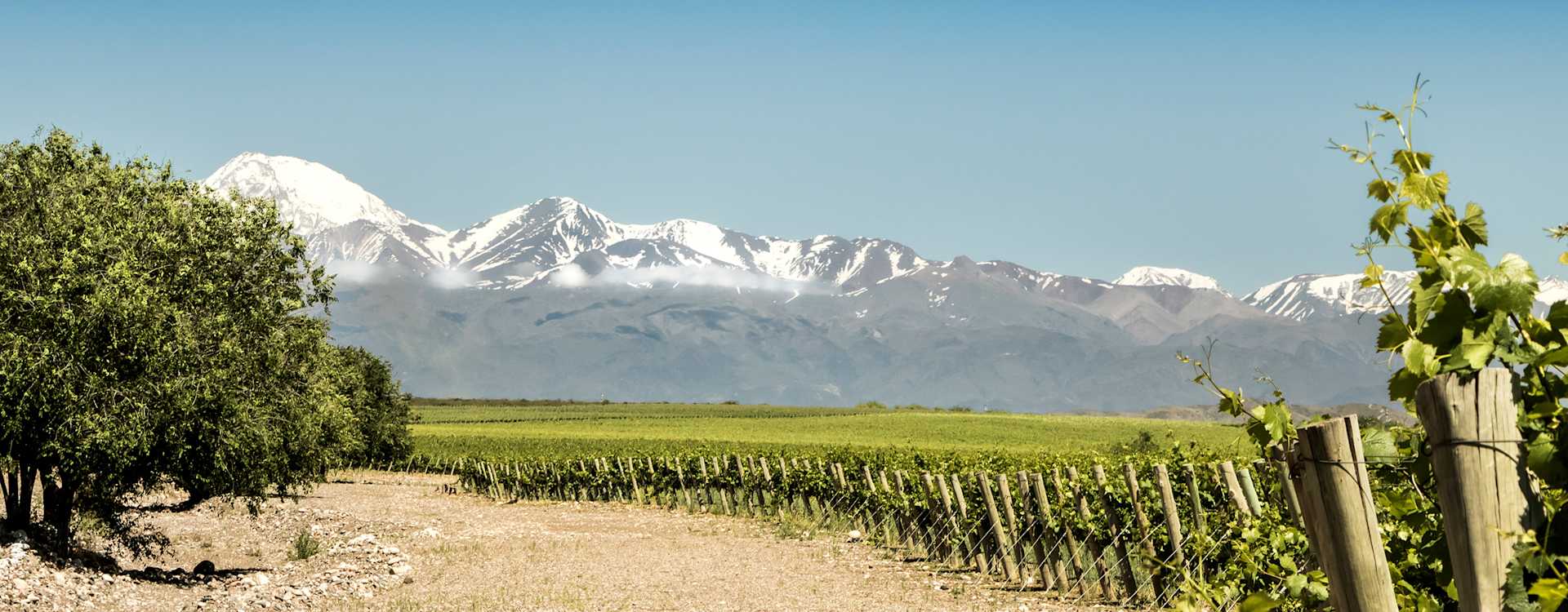
Considered one of the most environmentally sustainable countries in the world, Uruguay is also the fourth largest wine producing country in South America. But in contrast to its neighbors (Chile, Argentina and even Brazil) Uruguay keeps more in step with its European progenitors where land small holdings are most common. Most Uruguayan farms are tiny (averaging only about five hectares) and family-run, many dating back multiple generations. At this size, growers either make small amounts of wine for local consumption or sell grapes to a nearby winery. In all of Uruguay there are close to 3,500 growers but fewer than 300 wineries.
On these small plots of land, manual tending and harvesting, as well as low yields are favored; this small agricultural country has never had a need for large-scale chemical fertilizers or insecticides. Their thriving meat industry also follows the same standards: hormones have been banned since 1968 and today all Uruguayan beef is organic and grass-fed.
Uruguay’s best vineyards are on the Atlantic coast, in Canelones and Maldonado (where cooling breezes lessen humidity) or found hugging its border with Argentina. With a climate similar to Bordeaux and soils clay-rich and calcareous, Uruguay is perfect for Tannat, a thick-skinned, red variety native to Southwest, France. A great Tannat from Uruguay will have no lack of rich red and black fruit, lots of sweet spice and a hefty structure. Sometimes winemakers blend Merlot or Pinot noir with Tannat to soften up its rough edges.
The best Uruguayan whites include Sauvignon blanc and Albarino.