


Winemaker Notes
Professional Ratings
-
Jeb Dunnuck
The 2023 Sauvignon Blanc Sonoma County comes from the declassified fruit of their sister estate Reeve. In the cellar, a quarter of the wine was barrel-fermented and aged, while the rest was raised in stainless steel. A pale silver/yellow hue, it has tropical notes of papaya, fresh flowers, salted grapefruit, and lime zest. The palate is silky and refreshing, featuring a medium-bodied, elegant frame and a lingering feel on the finish, with hints of tarragon.
-
Robert Parker's Wine Advocate
The 2023 Sauvignon Blanc was barrel-fermented and matured for 11 months in 20% new French oak. It has intense aromas of peach, nectarine, starfruit, cut grass, beeswax and flint. The medium-bodied palate is concentrated and textural with bright, focused acidity and a long, energetic finish.


Capable of a vast array of styles, Sauvignon Blanc is a crisp, refreshing variety that equally reflects both terroir and varietal character. Though it can vary depending on where it is grown, a couple of commonalities always exist—namely, zesty acidity and intense aromatics. This variety is of French provenance. Somm Secret—Along with Cabernet Franc, Sauvignon Blanc is a proud parent of Cabernet Sauvignon. That green bell pepper aroma that all three varieties share is no coincidence—it comes from a high concentration of pyrazines (herbaceous aromatic compounds) inherent to each member of the family.
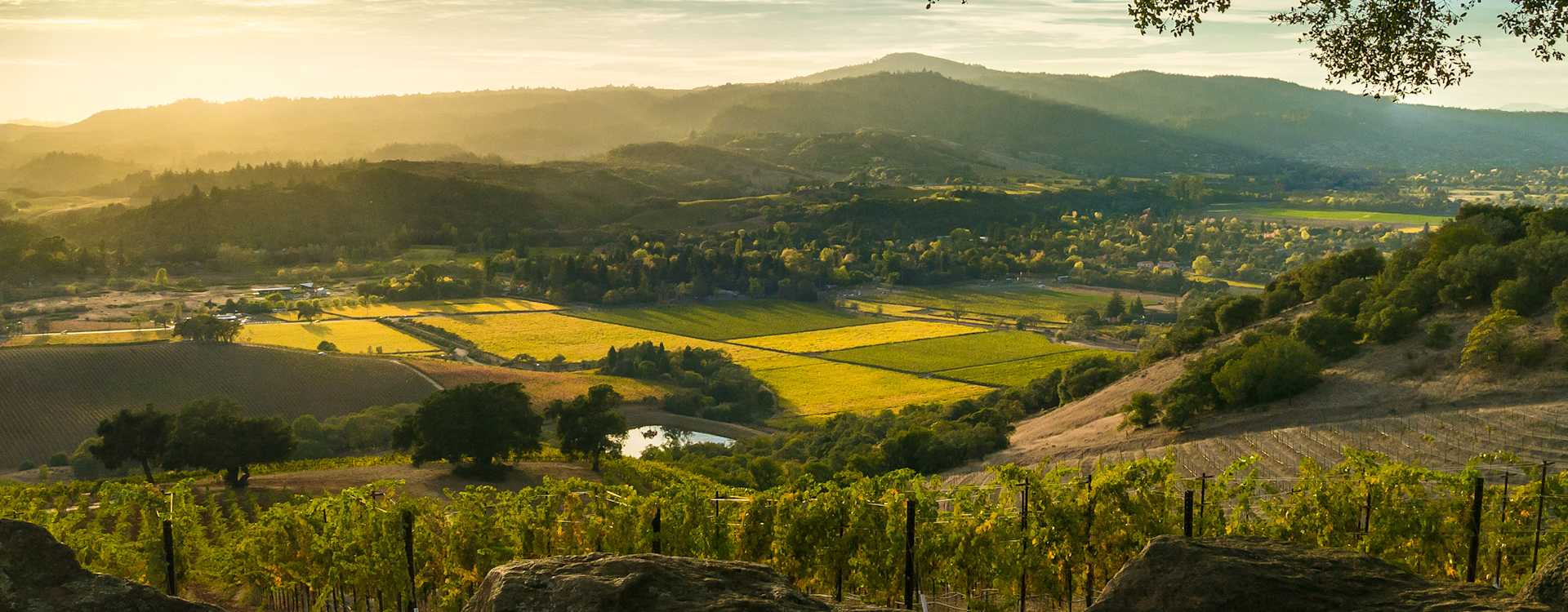
Home to a diverse array of smaller AVAs with varied microclimates and soil types, Sonoma County has something for every wine lover. Physically twice as large as Napa Valley, the region only produces about half the amount of wine but boasts both tremendous quality and variety. With its laid-back atmosphere and down-to-earth attitude, the wineries of Sonoma are appreciated by wine tourists for their friendliness and approachability. The entire county intends to become a 100% sustainable winegrowing region by 2019.
Sonoma County wines are produced with carefully selected grape varieties to reflect the best attributes of their sites—Dry Creek Valley’s consistent sunshine is ideal for Zinfandel, while the warm Alexander Valley is responsible for rich, voluptuous red wines like Cabernet Sauvignon. Chardonnay and Pinot Noir are important throughout the county, most notably in the cooler AVAs of Russian River, Sonoma Coast and Carneros. Sauvignon Blanc, Merlot and Syrah have also found a firm footing here.