


Winemaker Notes
Sourced from the top 1 acre block of the vineyard where the soils are very thin and rich in diatomaceous earth. Our Chardonnay is planted with the California heritage clone of Mt. Eden and French clone 76. The wine has an excellent mix of racy acidity and bright Chardonnay fruit.
Professional Ratings
-
Wine Enthusiast
This is a fascinating bottling that holds interest for repeat sips and is likely to age very well. Yuzu-peel, under ripe apricot, honeysuckle and light toast aromas frame the nose. The palate zings with racy sharp laser-focused acidity, delivering flavors of bright grapefruit, crisp melon rind and tart apples.
Editors' Choice -
Jeb Dunnuck
There are three releases under this label, which I've previously reviewed under the Black Sheep Finds producer. Starting with the 2018 Chardonnay, which spent 12 months in 25% new French oak, it has a rich, spicy bouquet of buttered nectarine, flower oil, toasty oak, and sappy flowers. Rich, medium to full-bodied, and loaded with character, it's ideal for drinking over the coming 3-5 years.


One of the most popular and versatile white wine grapes, Chardonnay offers a wide range of flavors and styles depending on where it is grown and how it is made. While it tends to flourish in most environments, Chardonnay from its Burgundian homeland produces some of the most remarkable and longest lived examples. California produces both oaky, buttery styles and leaner, European-inspired wines. Somm Secret—The Burgundian subregion of Chablis, while typically using older oak barrels, produces a bright style similar to the unoaked style. Anyone who doesn't like oaky Chardonnay would likely enjoy Chablis.
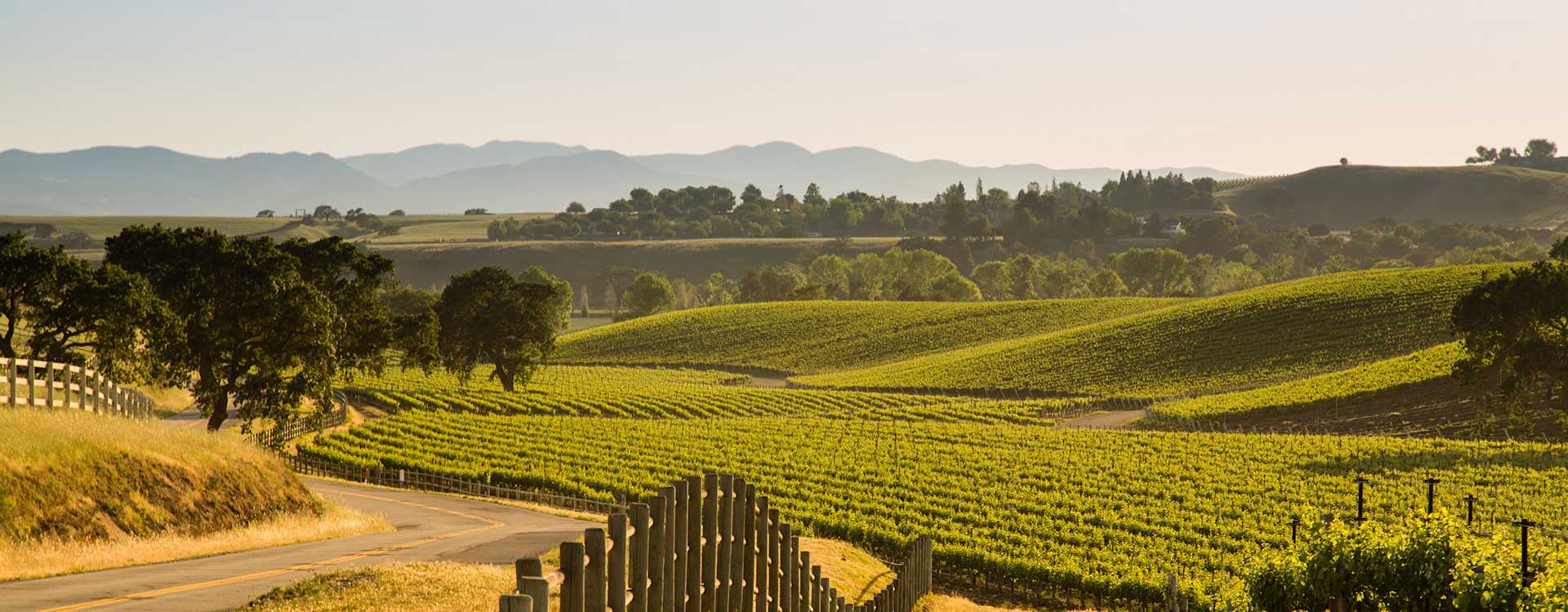
A superior source of California Chardonnay and Pinot Noir, Sta. Rita Hills is the coolest, westernmost sub-region of the larger Santa Ynez Valley appellation within Santa Barbara County. This relatively new AVA is unquestionably one to keep an eye on.
The climate of Sta. Rita Hills is a natural match for Chardonnay and Pinot noir, thanks to the crisp ocean breezes and well-drained, limestone-rich calcareous soil. Here, grapes ripen just enough, while retaining brisk acidity and harmonious balance.