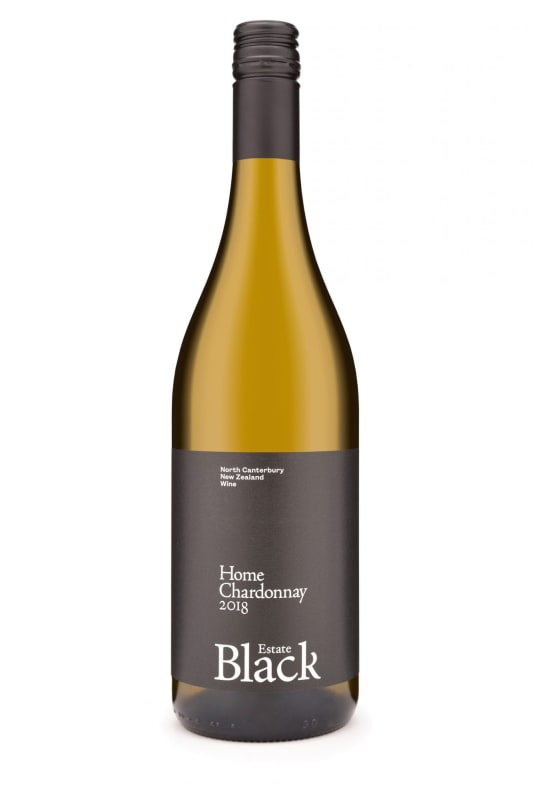


Winemaker Notes
Straw, white gold hue. Aromas of grapefruit, hazelnut, orange blossom nectarine and sea spray. The palate is rich pure and integrated with a dense core of concentrated fruit. The flavors taper to a salty mineral and long finish. This is an unfiltered wine with small amounts of sediment. Please allow the bottle to stand and settle before pouring. Decanting will allow maximum expression of aroma and purity of fruit to emerge.
Professional Ratings
-
James Suckling
This has a very fresh, peach and grilled-nectarine nose with honeysuckle and fragrant, waxy nuances. The palate has a supple, fleshy and very attractive array of melon, peaches and papaya.
-
Robert Parker's Wine Advocate
The 2018 Home Chardonnay is unabashedly New World in style, despite being barrel fermented and aged. Ripe peach slices brushed with butter, toasted nuts and brown sugar and wrapped in pastry dough, give it opulent, almost dessert-like tendencies, but then this medium-bodied wine balances those with hints of tangerine and lime, including a long, vibrant, citrus-laden finish.


One of the most popular and versatile white wine grapes, Chardonnay offers a wide range of flavors and styles depending on where it is grown and how it is made. While it tends to flourish in most environments, Chardonnay from its Burgundian homeland produces some of the most remarkable and longest lived examples. California produces both oaky, buttery styles and leaner, European-inspired wines. Somm Secret—The Burgundian subregion of Chablis, while typically using older oak barrels, produces a bright style similar to the unoaked style. Anyone who doesn't like oaky Chardonnay would likely enjoy Chablis.

On the central eastern coast of the South Island, Canterbury includes a collection of small and varied subregions. The region is cool and dry with low rainfall and light, infertile soils. Sauvignon Blanc and Pinot Noir are well-suited here, with Pinot Gris coming in third place.