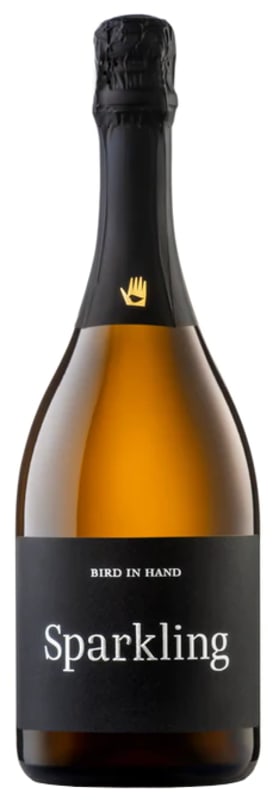


Winemaker Notes
Predominantly from Pinot Noir, grapes from premium cool sites across South Australia were harvested during the cool of night to retain freshness and flavor for this wine. Crushed and destemmed straight to press with minimal time on skins ensured the extraction of only the lightest of color. Individual batches from each vineyard were kept separate right up until blending, to guarantee the winemakers could select the best fruit based on flavor, complexity and cohesiveness.
The result is a light, delicate sparkling, pearl pink in color, with floral notes and hints of fresh strawberry and citrus blossom on the nose. Its lively palate evokes flavours of fleshy red berry fruits with a delicate bead, leading to a refreshing, clean finish.


Representing the topmost expression of a Champagne house, a vintage Champagne is one made from the produce of a single, superior harvest year. Vintage Champagnes account for a mere 5% of total Champagne production and are produced about three times in a decade. Champagne is typically made as a blend of multiple years in order to preserve the house style; these will have non-vintage, or simply, NV on the label. The term, "vintage," as it applies to all wine, simply means a single harvest year.

Adelaide refers to the diverse super zone in South Australia containing the Mount Lofty Ranges Zone (Adelaide Hills, Adelaide Plains and Clare Valley), Fleurieu Zone (Currency Creek, Kangaroo Island, Langhorne Creek, McLaren Vale, and Southern Fleurieu) and Barossa Zone (Barossa Valley and Eden Valley).
The Adelaide Hills region is distinguished and beautiful, offering a cool respite in the summer for Adelaide city dwellers. With vineyards planted fairly high in elevation at 1,500 to 1,800 feet, it is known for particularly fine, citrus-driven Sauvignon Blanc.
The Adelaide Plains is a hot region northwest of the Adelaide Hills that produces approachable, value-driven wines.