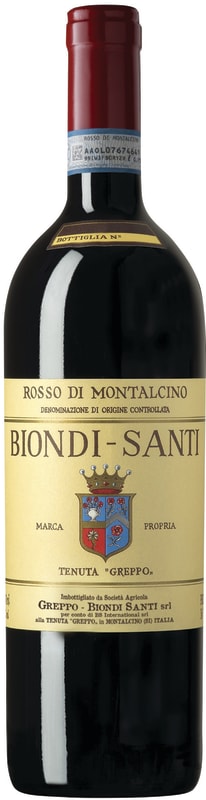


Winemaker Notes
A lovely encounter of flowers and red berry fruits, the Rosso di Montalcino 2019 reveals fresh, energetic notes of cherries, blood oranges, pomegranate, violets, and honeysuckle, followed by balsamic sensations of kitchen herbs, licorice root, and menthol. The nose and palate are fully aligned as the crunchy tannins and lively acidity blend in with this Rosso’s impressive, levigated fruity core, leading us toward a savory finish with long-lingering mineral notes
Professional Ratings
-
Robert Parker's Wine Advocate
This flight of three Biondi-Santi wines starts off on the right foot thanks to the pristine bouquet and lively fruit of the 2019 Rosso di Montalcino. This is the entry-level wine (although the price point certainly suggests otherwise). It shows very detailed and chiseled aromas of wild cherry, cassis, dried violet, rust and orange skin. The wine carries a strong structural frame; however, the mouthfeel is ethereal and light notwithstanding.
-
Jeb Dunnuck
The 2019 Rosso Di Montalcino is pure and energetic, with ripe cherry fruit, rose petals, orange zest, and spice. Medium-bodied, with fine tannins and ripe, soft, supple fruit throughout, it is energetic and long on the palate, with a soft, coating mineral texture. Elegant, pure, and warming on the finish, with no harsh edges, its floral perfume lingers with notes of lavender, red berries, and refreshing salinity. Drink 2025-2040.
-
James Suckling
Aromas of sliced citrus, cherry and flowers follow through to a medium body, with creamy tannins and crunchy fruit at the finish. Lovely combination of fruit and acidity. Very drinkable now but will age nicely.
-
Wine Enthusiast
The nose is earthy and sanguine, with just-tilled soil aromas, coffee beans, cranberries and hibiscus. The palate turns juicier, adding strawberries and the slightly medicinal note of cherry syrup, contrasted by tightly wound tannins and a spicy finish. Sophisticated and elegant.
-
Wine Spectator
A refined Rosso, this evokes cherry, strawberry, floral and iron flavors aligned with a supple texture and firm structure. Harmonious and long, but needs some time to integrate. Drink now through 2033.


Among Italy's elite red grape varieties, Sangiovese has the perfect intersection of bright red fruit and savory earthiness and is responsible for the best red wines of Tuscany. While it is best known as the chief component of Chianti, it is also the main grape in Vino Nobile di Montepulciano and reaches the height of its power and intensity in the complex, long-lived Brunello di Montalcino. Somm Secret—Sangiovese doubles under the alias, Nielluccio, on the French island of Corsica where it produces distinctly floral and refreshing reds and rosés.

Famous for its bold, layered and long-lived red, Brunello di Montalcino, the town of Montalcino is about 70 miles south of Florence, and has a warmer and drier climate than that of its neighbor, Chianti. The Sangiovese grape is king here, as it is in Chianti, but Montalcino has its own clone called Brunello.
The Brunello vineyards of Montalcino blanket the rolling hills surrounding the village and fan out at various elevations, creating the potential for Brunello wines expressing different styles. From the valleys, where deeper deposits of clay are found, come wines typically bolder, more concentrated and rich in opulent black fruit. The hillside vineyards produce wines more concentrated in red fruits and floral aromas; these sites reach up to over 1,600 feet and have shallow soils of rocks and shale.
Brunello di Montalcino by law must be aged a minimum of four years, including two years in barrel before realease and once released, typically needs more time in bottle for its drinking potential to be fully reached. The good news is that Montalcino makes a “baby brother” version. The wines called Rosso di Montalcino are often made from younger vines, aged for about a year before release, offer extraordinary values and are ready to drink young.