
Winemaker Notes
Professional Ratings
-
Wine Spectator
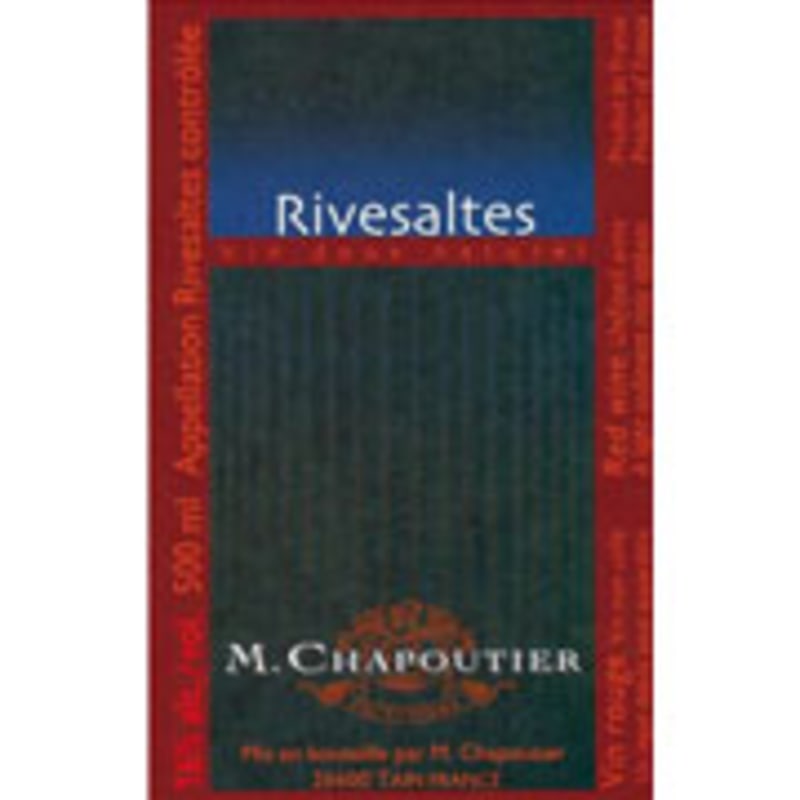
A spicy, dessert-style red, with dried cherry and ripe plum flavors, featuring some herbal overtones. Dark chocolate and tar accents show on the finish.



Domaine Bila-Haut is owned by the well known Rhone Valley Oenologist, Michel Chapoutier. The name refers to an old farm villa which was built high into the mountain slopes , among some old vineyards. The Domaine comprises 75 hectares of land cultivated under bio-dynamic farming techniques and is characterized by steep pebbly slopes rising from almost 150 meters above sea level. The soil has 3 components…Schiste, Gneiss and Clay, and the Grape varieties are Grenache, Carignan, and of course Syrah. The cool winters and very hot summers combined with little rain, and the drying Mistral breeze during the growing season is perfection for these varietals…in some respects better than in the Rhone Valley. The Domaine is located in the commune of Latour-de-France…just about as close as you can be to Spain, but still be located in France, with a great deal of history related to the Nights Templar, and the Cathar movement, hence the T in the title of the Domaine shaped like the Nights Templar Cross.The wines exhibit the distinctive pepper and spice of Syrah, but are bigger and rounder in the mouth, with great complexity coming from the Carignan and Grenache. Here is A Rhone producer getting the best out of the Terroir in Lanquedoc… a superb combination! And one of the best Wine Makers in France.

Apart from the classics, we find many regional gems of different styles.
Late harvest wines are probably the easiest to understand. Grapes are picked so late that the sugars build up and residual sugar remains after the fermentation process. Ice wine, a style founded in Germany and there referred to as eiswein, is an extreme late harvest wine, produced from grapes frozen on the vine, and pressed while still frozen, resulting in a higher concentration of sugar. It is becoming a specialty of Canada as well, where it takes on the English name of ice wine.
Vin Santo, literally “holy wine,” is a Tuscan sweet wine made from drying the local white grapes Trebbiano Toscano and Malvasia in the winery and not pressing until somewhere between November and March.
Rutherglen is an historic wine region in northeast Victoria, Australia, famous for its fortified Topaque and Muscat with complex tawny characteristics.

Famous for the production of fortified vins doux naturels wines, the region of Rivesaltes covers the eastern third of the Pyrénées-Orientales (overlapping with the Fitou and Minervois zones) and is France’s largest sweet wine producing area.
Rivesaltes wines cover a range of all imaginable styles defined by the varieties (mainly from the Grenache family) and the aging processes used to make them. The term, grenat, indicates the wine must be made from at least 75% Grenache Noir and aged without the presence of oxygen. Tuilé, on the other hand, means aged oxidatively and must contain a minimum of 50% Grenache Noir. Ambré wines, comprised mostly of Grenache Blanc, Grenache Gris, Macabeo and Tourbat, with a smaller amount of Muscat, are also subject to oxidative ageing. They are deep golden-yellow and as they age, their hue deepens to orange or amber. A final, fifth category, hors d'age, is applied only to ambré and tuilé wines aged for at least five years before release.
Rivesaltes may be also vinified en blanc, that is, without any skin contact, or may be macerated for weeks to obtain maximum color, tannin and flavor. Some producers actually deliberately expose wine maturing in glass demijohns to the harsh Mediterranean sun and heat for an effect called rancio, similar to the effect of maderizing, or giving an overripe (but appealing) character.