


Winemaker Notes
Pale yellow color with green tints. The wine exhibits citrus aromas (lemon, grapefruit) with smoky notes. Fresh and very aromatic attack. The palate is round, with a great acidity (coming from the later ripening sites at higher altitude). A lot of freshness on the finish mixed with salty notes, which express the minerality of the wine.
Professional Ratings
-
James Suckling
A pleasant nose developing aromas of spiced apples, anise, dried herbs and some mild spices. Medium body with fresh acidity. Plenty of bitter almond character at the center with plenty of nerve. Round edges give a comforting character towards the vivid finish.

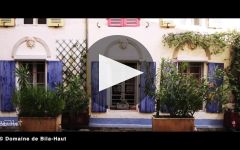


Domaine Bila-Haut is owned by the well known Rhone Valley Oenologist, Michel Chapoutier. The name refers to an old farm villa which was built high into the mountain slopes , among some old vineyards. The Domaine comprises 75 hectares of land cultivated under bio-dynamic farming techniques and is characterized by steep pebbly slopes rising from almost 150 meters above sea level. The soil has 3 components…Schiste, Gneiss and Clay, and the Grape varieties are Grenache, Carignan, and of course Syrah. The cool winters and very hot summers combined with little rain, and the drying Mistral breeze during the growing season is perfection for these varietals…in some respects better than in the Rhone Valley. The Domaine is located in the commune of Latour-de-France…just about as close as you can be to Spain, but still be located in France, with a great deal of history related to the Nights Templar, and the Cathar movement, hence the T in the title of the Domaine shaped like the Nights Templar Cross.The wines exhibit the distinctive pepper and spice of Syrah, but are bigger and rounder in the mouth, with great complexity coming from the Carignan and Grenache. Here is A Rhone producer getting the best out of the Terroir in Lanquedoc… a superb combination! And one of the best Wine Makers in France.
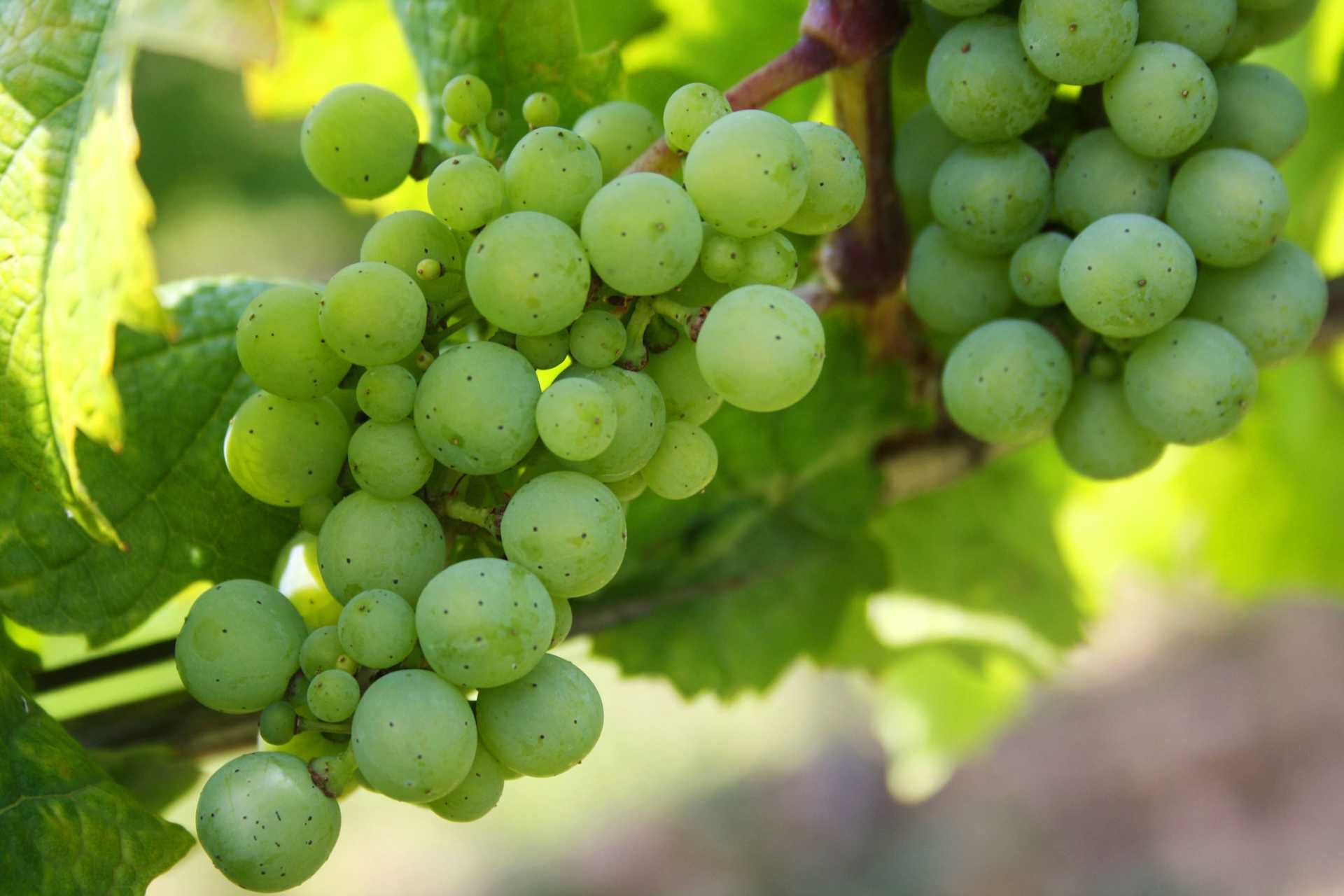
With hundreds of white grape varieties to choose from, winemakers have the freedom to create a virtually endless assortment of blended white wines. In many European regions, strict laws are in place determining the set of varieties that may be used in white wine blends, but in the New World, experimentation is permitted and encouraged. Blending can be utilized to enhance balance or create complexity, lending different layers of flavors and aromas. For example, a variety that creates a soft and full-bodied white wine blend, like Chardonnay, would do well combined with one that is more fragrant and naturally high in acidity. Sometimes small amounts of a particular variety are added to boost color or aromatics. Blending can take place before or after fermentation, with the latter, more popular option giving more control to the winemaker over the final qualities of the wine.

Although it is a region predominantly recognized for fortified, vins doux naturels (a type of sweet wine), Roussillon is also ideal for the production of dry red, white and rose wines. To encompass all the dry wines from the surrounding region that are not the vins doux naturels of Banyuls, Maury and Rivesaltes, the appellation of Côtes du Roussillon was created in 1977. It covers the eastern half of the Pyrénées-Orientales (the eastern side of the Pyrenees Mountains) and lower lands of Roussillon. Côtes du Roussillon includes complex soils of schist, limestone, gneiss and granite and climatic conditions that support many grape varieties.
Côtes du Roussillon red wines are blends made from Grenache, Syrah, Mourvedre and smaller amounts of Carignan, Cinsault and the lesser known, Lledoner Pelut. Rosé wines come from the same varieties, as well as may include Grenache Gris and Macabeo. White wines from Côtes du Roussillon are Grenache Blanc and Macabeo with small amounts of Marsanne, Roussanne and Rolle (aka Vermentino).