

Winemaker Notes
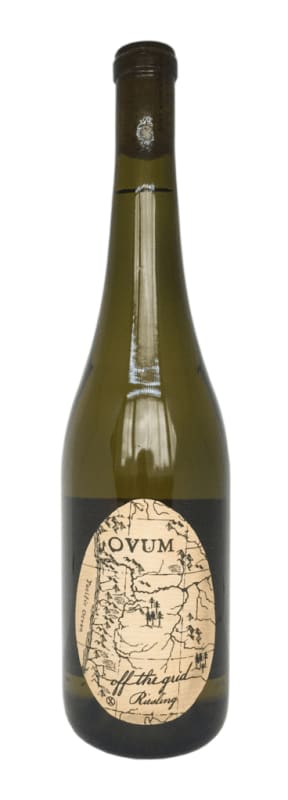
2018 Off the Grid offers its classic quince and apricot character. There is a yellow-orange fruit skin complexity on the palate that almost gives the wine the appearance of tannin. Its high acid gives a sense of elegance and complexity that OTG is known for, with a bit more restraint than power in this vintage. This 2018 reminds the winemaker of 2013, which was their favorite offering at the time, in that is has power and grace.
Professional Ratings
-
Wine & Spirits
From an old vineyard of shallow cobbled soils riddled with devigorating serpentine, this is a haunting wine. John House does as little as he can to the fruit, aging it in cement eggs and acacia puncheons, adding sulfur at bottling and little else. So, there’s nothing to suppress the seemingly boundless aromatics—lemon oil, lemon peel, scallion, petrol, saffron, cedar tips, peach, quince and on and on. Its flavors start out broad-shouldered, on creamy spiced pear and peach, only to tense up and become sinewy and delineated; all the while the texture feels luminous, filled with energy and an invigorating acidity. Generous now, this has the structure to age into something even more luxurious.
-
Wine Enthusiast
Cedar Ranch belongs to Foris winery in the Illinois Valley near the California border in southwest Oregon. This outstanding effort is off-the-charts brilliant, finished dry but streaked with honey, almost like a dry mead. It’s floral, tangy, delicate and delicious, fermented with wild yeasts in a mix of neutral oak, concrete egg and Austrian casks.


Riesling possesses a remarkable ability to reflect the character of wherever it is grown while still maintaining its identity. A regal variety of incredible purity and precision, this versatile grape can be just as enjoyable dry or sweet, young or old, still or sparkling and can age longer than nearly any other white variety. Somm Secret—Given how difficult it is to discern the level of sweetness in a Riesling from the label, here are some clues to find the dry ones. First, look for the world “trocken.” (“Halbtrocken” or “feinherb” mean off-dry.) Also a higher abv usually indicates a drier Riesling.

Home to some of America’s most celebrated Pinot Noir, Oregon maintains a tight focus on small production, high quality wine even while the state’s industry enjoys steady growth. As a world-renowned wine region, Oregon has more than 700 wineries and is home to well over 70 grape varieties. With a mostly Mediterranean climate, its cooler and wetter regions lie in the west, close to the Pacific Coast.
By far the most reputed Oregon wine region is the Willamette Valley, which is further subdivided into six smaller appellations: Chehalem Mountains, Dundee Hills, Eola-Amity Hills, McMinnville, Ribbon Ridge and Yamhill-Carlton.
The Oregon wine region's most obvious success story is with Pinot Noir, which here takes on a personality that could be described in general terms as somewhere in between the wines of California and Burgundy—and is often more affordable than either one. The best Willamette Pinot noir has a rare combination of red and black fruit, elegant balance, high acidity and rustic earth. While completely enjoyable in their youth, some of the better, single vineyard or appellation-specific Pinot noirs can often benefit from some cellar time.
Other AVAs in Oregon’s west worth noting include Umpqua Valley and Rogue Valley.
In the east are Snake River Valley, which overlaps into Idaho, and Columbia Valley, which Oregon shares with Washington. Summers are hot and dry in these regions but winters are cold and rainy.
Pinot Gris, Chardonnay, Riesling and Pinot blanc also grow successfully in Oregon.