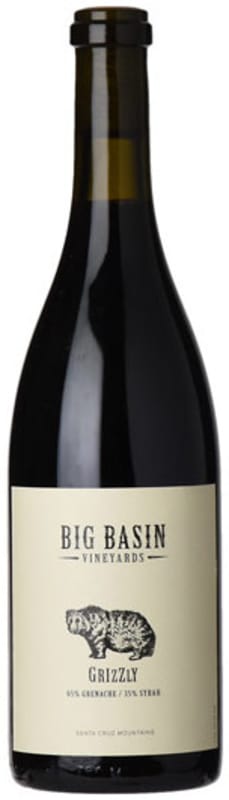


Winemaker Notes
The 2013 vintage started off early resulting in one of our earliest harvest to date. We started picking October 11th and finished on October 18th. One lot was destemmed whole berry while others included 35% whole cluster (with 30% in the final blend). The wine spent 21-27 days on the skins before we pressed it off to barrel. We find this longer, gentle extraction results in better mouthfeel and length. The wine then spent 20 months in neutral French oak barrels without any racking before bottling. We feel the purity of Grenache comes through most transparently if only neutral oak is used. Two years after bottling this wine is just starting to open up and it should continue to age well for years.
Professional Ratings
-
Robert Parker's Wine Advocate
Notes of savory currants, dried raspberries, herbes de Provence and sandy, loamy soil notes all emerge from the 2013 Grizzly. This medium to full-bodied, supple, sunny and layered Grenache has fine tannin, notable freshness and a great finish. Reminding me of a top quality Chateauneuf du Pape from a sunny vintage, it will drink well through 2023.
-
Wine Enthusiast
The aromas on this bottling are rich yet not overly ripe, with cola, sarsaparilla, candied black cherry and strong scents of baked blueberries. The palate shows impressive florality, with violet and lilac touches, as well as subtle creme de cassis flavors. It is simultaneously rich in body but light in flavors, well built for the cellar.


Grenache thrives in any warm, Mediterranean climate where ample sunlight allows its clusters to achieve full phenolic ripeness. While Grenache's birthplace is Spain (there called Garnacha), today it is more recognized as the key player in the red blends of the Southern Rhône, namely Châteauneuf-du-Pape, Côtes du Rhône and its villages. Somm Secret—The Italian island of Sardinia produces bold, rustic, single varietal Grenache (there called Cannonau). California, Washington and Australia have achieved found success with Grenache, both flying solo and in blends.

A rugged and topographically diverse cool-climate appellation with a rich history, the Santa Cruz Mountains AVA stretches from Half Moon Bay, just south of San Francisco, to the northern border of Monterey County. Elevations range from 800 feet to upwards of 3,000 and microclimates vary substantially depending on which side of the mountains the vineyards lie; cool ocean winds and fog play an important role here. This can be a challenging region in which to grow grapes, but it is well worth the effort. Santa Cruz Mountains wines are noted for balanced acidity levels, often showing great aging potential. Wine has been made here since the 1800s, most notably from the legendary Ridge Vineyards, whose Monte Bello vineyard garners international admiration.
Pinot Noir, Chardonnay and Cabernet Sauvignon are the stars of this region, while Merlot and Zinfandel also perform quite well. Organic and sustainable vineyard practices are becoming increasingly common.