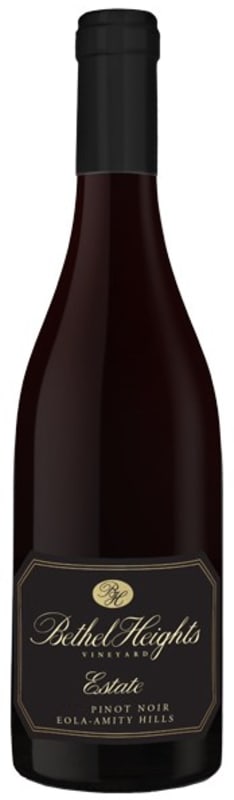


Winemaker Notes
This wine blends fruit from all the different sections of the estate vineyard. It truly encompasses the entire breadth of expression at Bethel Heights from the youthful exuberance of the winery's youngest vines planted in 2002 to the brooding, earthy complexity of its old own-rooted vines that have been knitting themselves into the landscape for forty years.
Professional Ratings
-
James Suckling
Attractive, sous-bois aromas with plenty of interest already in this complex, fresh pinot. The palate has a very strikingly fresh array of ripe red cherries and blood oranges with an attractive, grainy, long and supple finish.
-
Wine & Spirits
The pleasures of Bethel’s entry-level estate pinot are immediate, from the very first whiffs of graham cracker and red cherry. With air, those flavors take on an umami dimension, with mushroom and creosote elements, everything delivered with fine, pristine detail.
-
Wine Spectator
Silky and vibrant, with spirited raspberry and violet aromas that open to effortlessly complex flavors of black cherry, black tea, cardamom and other dark spices. Drink now through 2024.
-
Wine Enthusiast
Deep, dense and dark aromatics spotlight blackberry and black cherry. It's a smooth well-integrated wine with a thick veneer of fruit, smoke and earth. The tannins are substantial, polished to a fine lustre, and carry a streak of graphite.
Editors' Choice
-
Robert Parker's Wine Advocate
The 2016 Pinot Noir Estate is pale to medium ruby-purple with beautiful scents of warm blackberries and black cherries with notes of bramble berry and blueberry compote plus meaty touches of charcuterie and pink peppercorn. Medium-bodied, it has a good core of black fruits in the mouth, with a frame of grainy tannins and plenty of freshness, finishing long with blue fruit and perfumed soil notes.


Thin-skinned, finicky and temperamental, Pinot Noir is also one of the most rewarding grapes to grow and remains a labor of love for some of the greatest vignerons in Burgundy. Fairly adaptable but highly reflective of the environment in which it is grown, Pinot Noir prefers a cool climate and requires low yields to achieve high quality. Outside of France, outstanding examples come from in Oregon, California and throughout specific locations in wine-producing world. Somm Secret—André Tchelistcheff, California’s most influential post-Prohibition winemaker decidedly stayed away from the grape, claiming “God made Cabernet. The Devil made Pinot Noir.”

Running north to south, adjacent to the Willamette River, the Eola-Amity Hills AVA has shallow and well-drained soils created from ancient lava flows (called Jory), marine sediments, rocks and alluvial deposits. These soils force vine roots to dig deep, producing small grapes with great concentration.
Like in the McMinnville sub-AVA, cold Pacific air streams in via the Van Duzer Corridor and assists the maintenance of higher acidity in its grapes. This great concentration, combined with marked acidity, give the Eola-Amity Hills wines—namely Pinot noir—their distinct character. While the region covers 40,000 acres, no more than 1,400 acres are covered in vine.