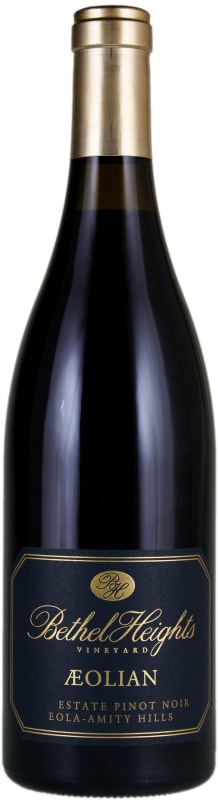


Winemaker Notes
Professional Ratings
-
Robert Parker's Wine Advocate
The 2021 Pinot Noir AEolian comes from blocks planted in 2002, just next to Temperance Hill Vineyard. It has a pale ruby-purple color and layered aromas of cranberries, woodsmoke, garrigue, pipe tobacco and tar. The light-bodied palate is chalky and fresh with a deep core of expressive red berry fruit and a long, spice and earth-laced finish.
-
Jeb Dunnuck
A cuvée Bethel Heights began making in 2012, the deep ruby 2021 Pinot Noir Aeolian is expressive with spicy aromatics of lavender, quinine, anise, and black raspberry preserve. Ripe and full-bodied, with sweet tannins, notes of turned mossy earth, and well-balanced acidity, it finishes with toasted spices and a warming feel.
-
Wine Spectator
A handsome red, polished and refined in structure, offering a fresh burst of raspberry, fresh violet and cinnamon spice flavors that build richness toward supple tannins.
-
James Suckling
A fresh and fruity nose with cherries, dried strawberries, citrus peel and sandalwood. Juicy and sleek with supple tannins and attractive sour cherry and savory undertones. Flavorful and crunchy. Drink or hold.
-
Wine Enthusiast
The Aeolian is the Casteel family’s exploration of younger sections of its estate vineyard, where vines were planted between 1994 and 2002. Strawberry and leather aromas unite with an earthy petrichor note. A buttery texture is a perfect match for flavors like a Linzer torte and a shot of espresso.


Thin-skinned, finicky and temperamental, Pinot Noir is also one of the most rewarding grapes to grow and remains a labor of love for some of the greatest vignerons in Burgundy. Fairly adaptable but highly reflective of the environment in which it is grown, Pinot Noir prefers a cool climate and requires low yields to achieve high quality. Outside of France, outstanding examples come from in Oregon, California and throughout specific locations in wine-producing world. Somm Secret—André Tchelistcheff, California’s most influential post-Prohibition winemaker decidedly stayed away from the grape, claiming “God made Cabernet. The Devil made Pinot Noir.”

Running north to south, adjacent to the Willamette River, the Eola-Amity Hills AVA has shallow and well-drained soils created from ancient lava flows (called Jory), marine sediments, rocks and alluvial deposits. These soils force vine roots to dig deep, producing small grapes with great concentration.
Like in the McMinnville sub-AVA, cold Pacific air streams in via the Van Duzer Corridor and assists the maintenance of higher acidity in its grapes. This great concentration, combined with marked acidity, give the Eola-Amity Hills wines—namely Pinot noir—their distinct character. While the region covers 40,000 acres, no more than 1,400 acres are covered in vine.