


Winemaker Notes
Deep crimson with a garnet hue. Initial cherry giving way to boiled red candy and earthy notes. A touch of cedar box and leaf, becoming more perfumed the longer it is opened. Light and bright with initial green crunch appearing almost sweet with hints of fairy-floss with some leafy earthy tones. The palate lingers and is long and wide.
Try it with Peking Duck rice paper rolls.
Professional Ratings
-
James Suckling
Made from old vines and cuttings from the original block, dating from the 1860s. Pretty aromas of plums, red cherries, aniseed, musk and lilacs. Medium-bodied and plump, yet buoyed by subtle astringency and freshness. Reminiscent of better expressions from Baden. A delightful pinot that offers stunning value.


Thin-skinned, finicky and temperamental, Pinot Noir is also one of the most rewarding grapes to grow and remains a labor of love for some of the greatest vignerons in Burgundy. Fairly adaptable but highly reflective of the environment in which it is grown, Pinot Noir prefers a cool climate and requires low yields to achieve high quality. Outside of France, outstanding examples come from in Oregon, California and throughout specific locations in wine-producing world. Somm Secret—André Tchelistcheff, California’s most influential post-Prohibition winemaker decidedly stayed away from the grape, claiming “God made Cabernet. The Devil made Pinot Noir.”
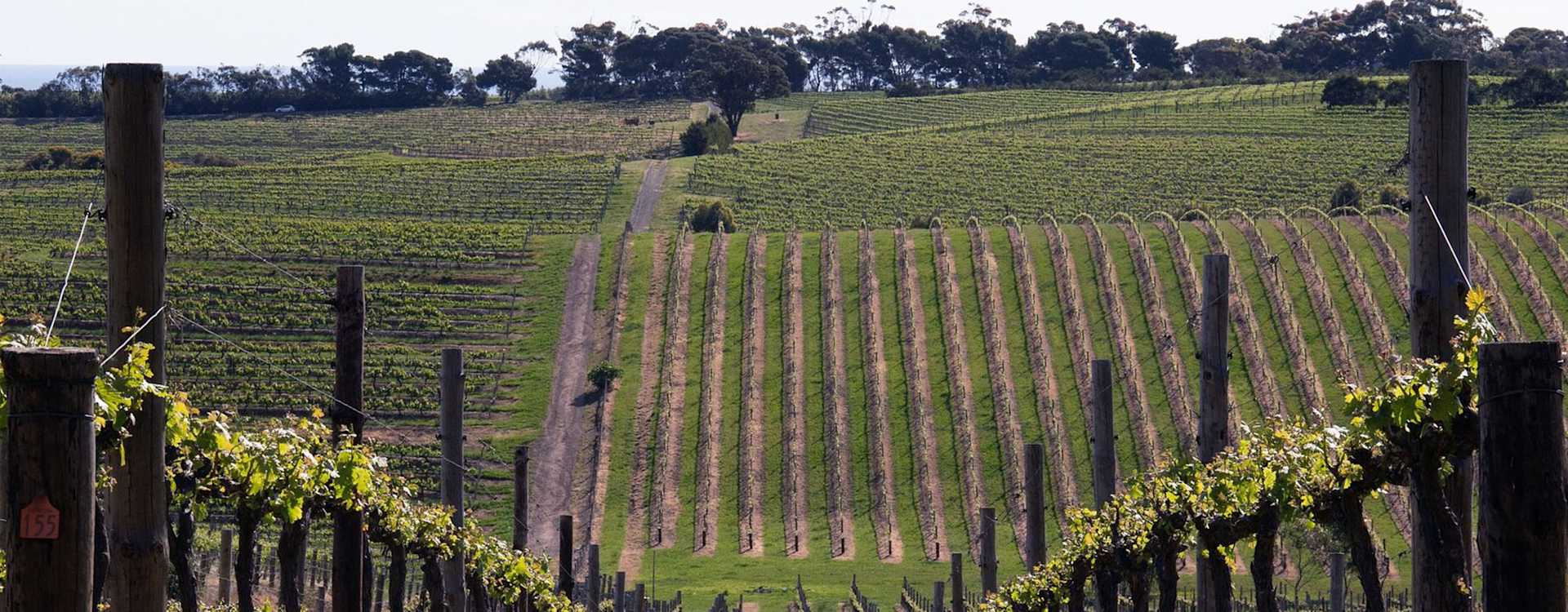
Nestled into the tip of its southeastern coastline, Victoria is Australia’s smallest mainland state, second most populous and third largest wine producer. Victoria includes the cool regions of Yarra Valley, Mornington Peninsula and Geelong, made famous mainly by impressive Pinot Noir and Chardonnay.
The more inland Heathcote and Bendigo lead the way for complex and textured, full-bodied reds. Rutherglen’s fortified wines compete among the best on the planet.