
Winemaker Notes
Bernardus uses the traditional Bordelais method of destemming prior to fermentation and pumping over the tanks two to three times a day. Macerations last from ten to thirty days depending on the character of the grapes. After completing malolactic fermentation, the new wine is transferred into small French oak barrels for sixteen months of aging. One half of the barrels are new oak which adds dimensions of flavor and texture while respecting the character of the fruit. Complexity and balance of the wine is enhanced by the multiple lots from the different vineyard blocks. The last months before bottling the final blend is held in large oak upright tanks to encourage the integration of flavors.
"From this sheltered valley in Monterey, a lovely Cab that features ripe cassis and blackcurrant flavors. The tannins invite a comparison to Napa Valley. They're firmer, but the wine is drinkable now. Finishes with a chocolaty taste. Mainly Cabernet Sauvignon."
Wine Enthusiast
90 Points
Professional Ratings


One of the world’s most classic and popular styles of red wine, Bordeaux-inspired blends have spread from their homeland in France to nearly every corner of the New World. Typically based on either Cabernet Sauvignon or Merlot and supported by Cabernet Franc, Malbec and Petit Verdot, the best of these are densely hued, fragrant, full of fruit and boast a structure that begs for cellar time. Somm Secret—Blends from Bordeaux are generally earthier compared to those from the New World, which tend to be fruit-dominant.
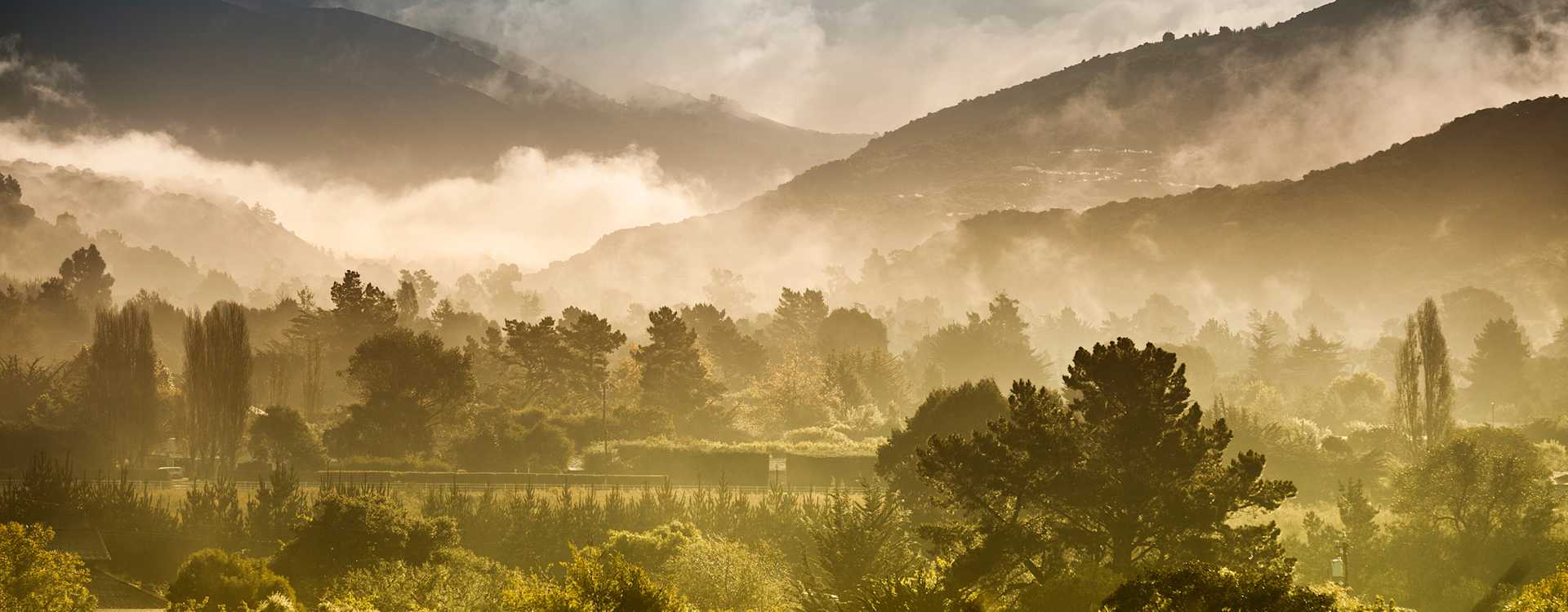
The largest and perhaps most varied of California’s wine-growing regions, the Central Coast produces a good majority of the state's wine. This vast California wine district stretches from San Francisco all the way to Santa Barbara along the coast, and reaches inland nearly all the way to the Central Valley.
Encompassing an extremely diverse array of climates, soil types and wine styles, it contains many smaller sub-AVAs, including San Francisco Bay, Monterey, the Santa Cruz Mountains, Paso Robles, Edna Valley, Santa Ynez Valley and Santa Maria Valley.
While the Central Coast California wine region could probably support almost any major grape varietiy, it is famous for a few Central Coast reds and whites. Pinot Noir, Chardonnay, Cabernet Sauvignon and Zinfandel are among the major ones. The Central Coast is home to many of the state's small, artisanal wineries crafting unique, high-quality wines, as well as larger producers also making exceptional wines.