

Winemaker Notes
Professional Ratings
-
Robert Parker's Wine Advocate
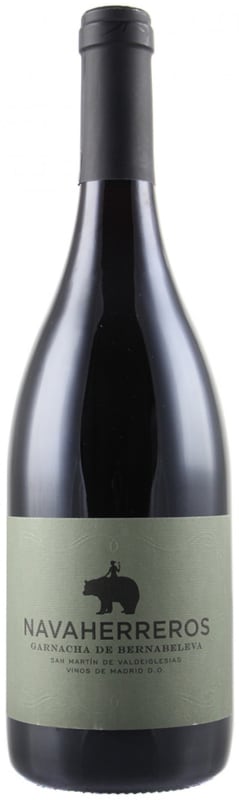
The 2015 Navaherreros Garnacha de Bernabeleva was sourced from different plots of old vines from their own organically farmed vineyards on sandy granite soils at varying altitudes between 700 and 840 meters altitude. It fermented with indigenous yeasts with part of full clusters in 5,000- and 10,000-liter oak vats followed by one year in oak barrels of different sizes. As I often see in the whites from Albillo, this warmer year somehow produced a fresher wine here, with a sensation of harmony and subtleness I didn't see in 2014, which on paper was a cooler vintage. But, sometimes in cooler vintages grapes ripen slowly and burn more acidity. Floral and aromatic, this is delicious, with silky tannins, deep flavors and a long finish. It's amazing how tasty the finish can get with these granite soils.


Spanish red wine is known for being bold, heady, rustic and age-worthy, Spain is truly a one-of-a-kind wine-producing nation. A great majority of the country is hot, arid and drought-ridden, and since irrigation has only been recently introduced and (controversially) accepted, viticulture has sustained—and flourished—only through a great understanding of Spain’s particular conditions. Large spacing between vines allows each enough resources to survive and as a result, the country has the most acreage under vine compared to any other country, but is usually third in production.
Of the Spanish red wines, the most planted and respected grape variety is Tempranillo, the star of Spain’s Rioja and Ribera del Duero regions. Priorat specializes in bold red blends, Jumilla has gained global recognition for its single varietal Monastrell and Utiel-Requena has garnered recent attention for its reds made of Bobal.