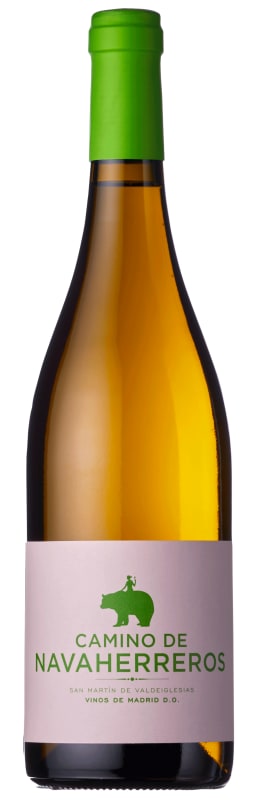


Winemaker Notes
Navaherreros Blanco is made from albillo and macabeo, the predominant white grape varieties in the area. The vines are between 30 and 85 years old, and are harvested manually.
Professional Ratings
-
Robert Parker's Wine Advocate
The entry-level white is the young village 2023 Camino de Navaherreros Blanco that was produced mostly with Albillo Real but also contains other grapes from their youngest plots. It fermented with indigenous yeasts, part in barrel, and matured in 500-liter barrels and tinajas. It's clean, floral and expressive, with purity of flavors, a spicy twist and a very tasty finish with a salty and bitter twist. It keeps the freshness and balance with a moderate 13% alcohol and a pH of 3.34.
-
Vinous
The 2023 Camino de Navaherreros is composed of 70% Albillo Real and other local varieties from San Martín de Valdeiglesias in Gredos. Aged for six months in used large barrels or foudres , it offers subtle aromas of baked apple, a light yeasty note and a trace of herbs. Creamy with moderate freshness, it has a broad mouthfeel and a touch of hay on the finish.

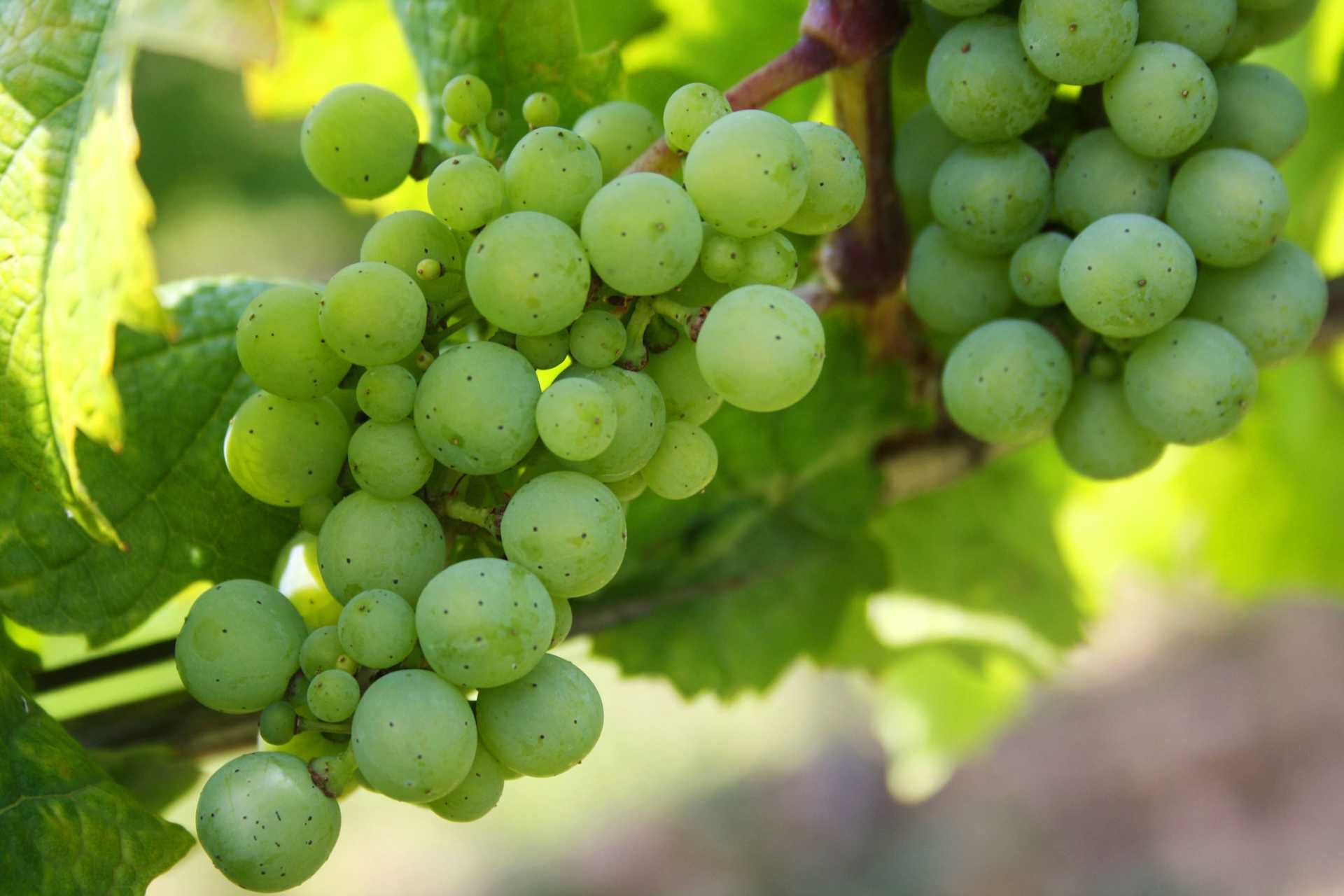
With hundreds of white grape varieties to choose from, winemakers have the freedom to create a virtually endless assortment of blended white wines. In many European regions, strict laws are in place determining the set of varieties that may be used in white wine blends, but in the New World, experimentation is permitted and encouraged. Blending can be utilized to enhance balance or create complexity, lending different layers of flavors and aromas. For example, a variety that creates a soft and full-bodied white wine blend, like Chardonnay, would do well combined with one that is more fragrant and naturally high in acidity. Sometimes small amounts of a particular variety are added to boost color or aromatics. Blending can take place before or after fermentation, with the latter, more popular option giving more control to the winemaker over the final qualities of the wine.

Sitting just north of La Mancha, Spain’s (and Europe’s, for that matter) largest classified wine region, this region is much smaller than the vast La Mancha. However, Vinos de Madrid DO is a relatively large region in and of itself, with four subregions that start about 9 miles from the city center. Three of the subregions form a semicircle around the southern suburbs, Arganda, Navalcarnero and San Martín, where styles vary from one to another. El Molar, situated directly north of the city, is the newly created 4th subregion.
Since Vinos de Madrid was granted DO status in 1990, it has immersed itself in local wine production. Since then, substantial efforts have been made to raise quality and knowledge of the wines produced here. Millions of tourists who visit Spain’s capital city each year help the wines gain recognition and popularity across the globe. The growing investment through the years has paid off and export markets are increasingly interested in Vinos de Madrid wines.
While Tempranillo is the most planted grape variety in the Arganda subregion in the southeast, Garnacha is the dominant grape in all other subregions, including El Molar in the north, Navalcarnero in the south, and especially San Martín de Valdeiglesias in the west.