

Winemaker Notes
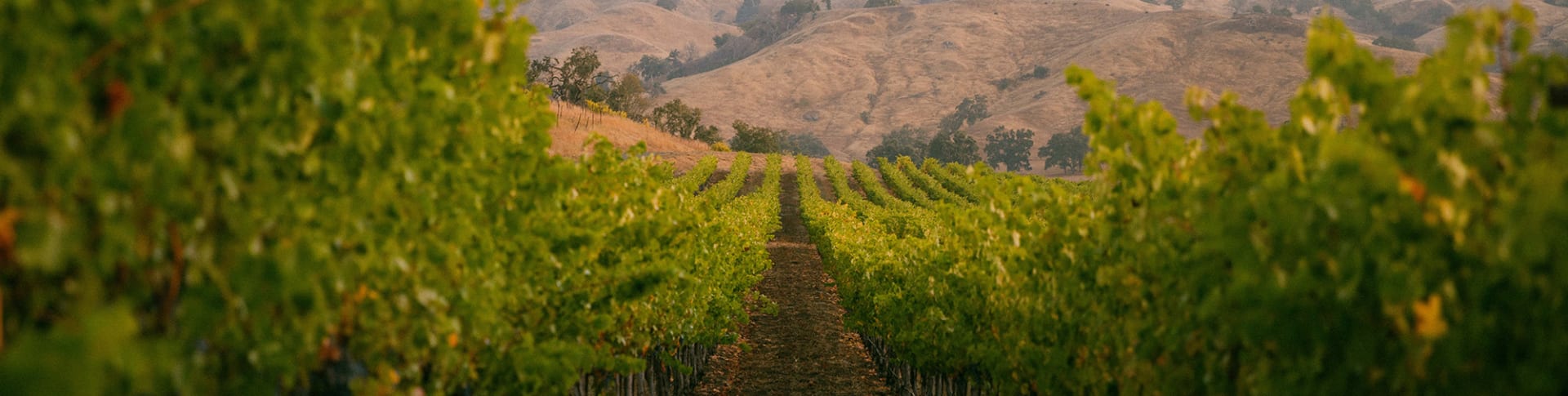



As California's longest continuously operating winery, Beringer has been defining Napa Valley winemaking since it was founded by Jacob and Frederick Beringer in 1876. By continuing that pioneering spirit, Beringer established many 'firsts' as leaders in the wine industry. They were one of the first gravity fed facilities and among the first to operate using hand dug caves and cellars. Beringer were the first to give public tours in 1934, starting a Napa Valley hospitality tradition. They are the first and only winery to have both a red and a white wine named #1 Wine of the Year by Wine Spectator Magazine. Today, they proudly celebrate and remain true to their pioneering legacy.

Whether it’s playful and fun or savory and serious, most rosé today is not your grandmother’s White Zinfandel, though that category remains strong. Pink wine has recently become quite trendy, and this time around it’s commonly quite dry. Since the pigment in red wines comes from keeping fermenting juice in contact with the grape skins for an extended period, it follows that a pink wine can be made using just a brief period of skin contact—usually just a couple of days. The resulting color depends on grape variety and winemaking style, ranging from pale salmon to deep magenta.

Responsible for the vast majority of American wine production, if California were a country, it would be the world’s fourth largest wine-producing nation. The state’s diverse terrain and microclimates allow for an incredible range of red wine styles, and unlike tradition-bound Europe, experimentation is more than welcome here. California wineries range from tiny, family-owned boutiques to massive corporations, and price and production are equally varied. Plenty of inexpensive bulk wine is made in the Central Valley area, while Napa Valley is responsible for some of the world’s most prestigious and expensive “cult” wines.
Each American Viticultural Area (AVA) and sub-AVA of has its own distinct personality, allowing California to produce red wine of every fashion: from bone dry to unctuously sweet, still to sparkling, light and fresh to rich and full-bodied. In the Napa Valley, Cabernet Sauvignon, Merlot, Chardonnay and Sauvignon Blanc dominate vineyard acreage. Sonoma County is best known for Chardonnay, Pinot Noir, Cabernet Sauvignon, Rosé and Zinfandel. The Central Coast has carved out a niche with Rhône Blends based on Grenache and Syrah, while Mendocino has found success with cool climate varieties such as Pinot noir, Riesling and Gewürztraminer. With all the diversity that California wine has to offer, any wine lover will find something to get excited about here.