


Winemaker Notes
Blend: 81% Cabernet Sauvignon, 13% Merlot, 5% Petite Sirah, 1% Cabernet Franc
Professional Ratings
-
James Suckling
Black currants, violets and green peppercorns with bitter chocolate and crushed rocks with a hint of black olive brine to it. Full-bodied with soft acidity and firm and solid tannins. A tensioned wine that is dense and concentrated. Underlying layers of crushed rocks and spices. Full-bodied. Aged for 22 months in 53% new French oak barrels. A blend of 81% cabernet sauvignon, 13% merlot, 5% petite sirah and 1% cabernet franc. Drink or hold.
-
Wine Spectator
A forthright set of fresh plum, warmed cassis and blackberry compote pumps along, with light threads of licorice, briar and apple stitching up the juicy finish. Cabernet Sauvignon, Merlot, Petite Sirah and Cabernet Franc. Drink now through 2033.
-
Vinous
The 2021 The Red Wine Q is a blend of Cabernet Sauvignon and Merlot, with dollops of Petite Sirah and Cabernet Franc. Ripe, succulent and inviting, the 2021 offers up generous red-toned fruit, blood orange, cinnamon, new leather and spice, all framed by a healthy touch of new French oak. This fruit-forward, juicy red blend will be easy to drink upon release.
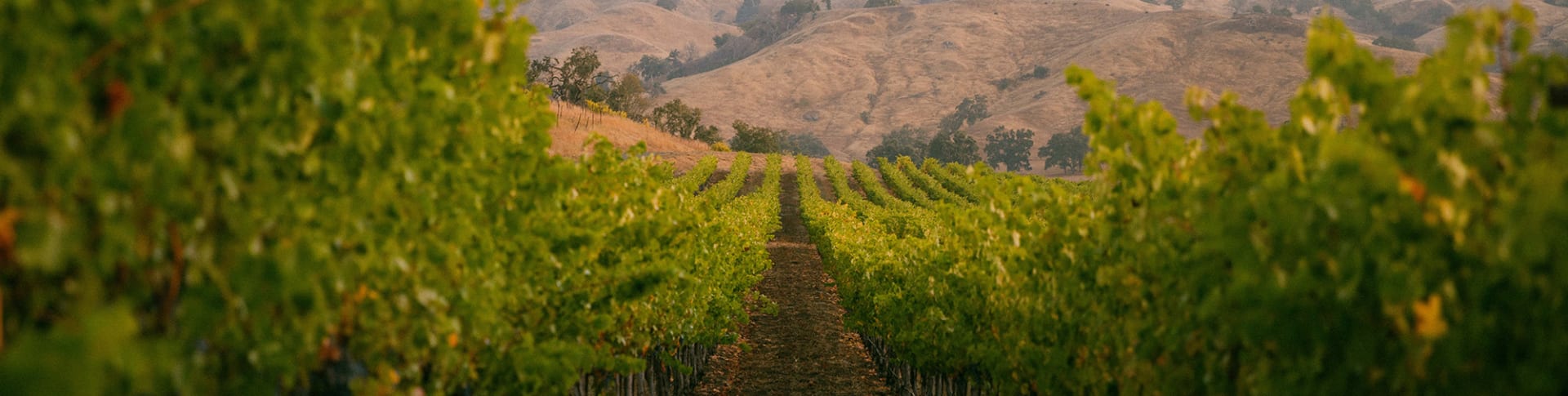



As California's longest continuously operating winery, Beringer has been defining Napa Valley winemaking since it was founded by Jacob and Frederick Beringer in 1876. By continuing that pioneering spirit, Beringer established many 'firsts' as leaders in the wine industry. They were one of the first gravity fed facilities and among the first to operate using hand dug caves and cellars. Beringer were the first to give public tours in 1934, starting a Napa Valley hospitality tradition. They are the first and only winery to have both a red and a white wine named #1 Wine of the Year by Wine Spectator Magazine. Today, they proudly celebrate and remain true to their pioneering legacy.

Undoubtedly proving its merit over and over, Napa Valley is a now a leading force in the world of prestigious red wine regions. Though Cabernet Sauvignon dominates Napa Valley, other red varieties certainly thrive here. Important but often overlooked include Merlot and other Bordeaux varieties well-regarded on their own as well as for their blending capacities. Very old vine Zinfandel represents an important historical stronghold for the region and Pinot noir is produced in the cooler southern parts, close to the San Pablo Bay.
Perfectly situated running north to south, the valley acts as a corridor, pulling cool, moist air up from the San Pablo Bay in the evenings during the hot days of the growing season, which leads to even and slow grape ripening. Furthermore the valley claims over 100 soil variations including layers of volcanic, gravel, sand and silt—a combination excellent for world-class red wine production.