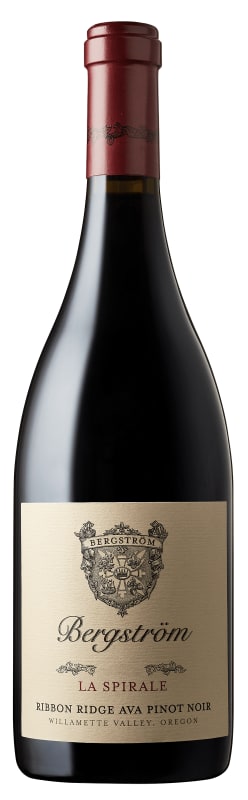


Winemaker Notes
#34 Wine Spectator Top 100 of 2024
Deep garnet in color. On the nose, red roses fall behind bright fresh strawberries, Genmaicha tea, and green peppercorns. Medium bodied and balanced with new oak spice, the purity of fruit expression carries onto the palate, where it finds its balance with acidity and tannin and bursts with pomegranates and red currants. There is a tension that will evolve beautifully as this wine ages in the bottle.
Professional Ratings
-
James Suckling
Elegant, silky and poised, with aromas of cherries, wild strawberries, frozen raspberries, dried roses and mild spices. It’s medium-bodied with zesty acidity. Bright, crunchy and succulent with plenty of energy. Vibrant, sharp and focused. Precise, lively finish with length.
-
Wine Spectator
Dynamic and seductive, with a fleshy texture that wraps around its elegantly complex core. Features fragrant raspberry and strawberry flavors accented by rose petal, dusky spice and forest floor notes that build richness and polish on the luscious finish. Drink now through 2033.
-
Robert Parker's Wine Advocate
From vines planted in 2005, the 2022 Pinot Noir La Spirale features bursts of wild berry and rose petal on the nose, complemented by nuances of cardamom, orange peel and bitters. The medium-bodied palate offers concentrated, earthy fruit. It's structured by dusty tannins and mouthwatering acidity and has a detailed finish.


Thin-skinned, finicky and temperamental, Pinot Noir is also one of the most rewarding grapes to grow and remains a labor of love for some of the greatest vignerons in Burgundy. Fairly adaptable but highly reflective of the environment in which it is grown, Pinot Noir prefers a cool climate and requires low yields to achieve high quality. Outside of France, outstanding examples come from in Oregon, California and throughout specific locations in wine-producing world. Somm Secret—André Tchelistcheff, California’s most influential post-Prohibition winemaker decidedly stayed away from the grape, claiming “God made Cabernet. The Devil made Pinot Noir.”

Ribbon Ridge is a regular span of uplifted, marine, sedimentary soils (called Willakenzie), whose highest ridge elevations twist like a ribbon. An early settler from Missouri named Colby Carter noticed this unique topography and gave the region its name in 1865—though it wasn’t declared its own AVA until 140 years later, in 2005. The AVA is enclosed by mountains on all sides between Yamhill-Carlton and the Chehalem Mountains, and is actually part of the larger Chehalem Mountains AVA. Its soils have a finer texture than its neighbors with parent materials composed of sandstone, siltstone, and mudstone. Given its presence of natural aquifers in this five square mile area, most vineyards are actually easily dry farmed!