


Winemaker Notes
This Chardonnay comes from two selected blocks in the Three Sisters Vineyard, which resides on the third coastal ridge from the ocean, near the town of Seaview. The low-fertility soils and the cool temperature near the Pacific Ocean produce a distinctive Chardonnay. This bottling comes from two blocks within the vineyard both planted to Chardonnay clone Dijon 76, 95 and 96. Harvested at night, the fruit was rigorously hand sorted prior to whole cluster pressing and barrel fermentation with indigenous yeasts.
Professional Ratings
-
Wine Enthusiast
This is made from the spectacular coastal vineyard farmed by the Martinelli family, showing the cool-climate grip of tart, tangy acidity. Flavors or apple blossom and Meyer lemon custard give it an unctuous quality that's hard to resist.
-
James Suckling
There’s an array of lemons and pears on offer here, as well as a toasty thread that runs the length of the richly fruited palate and delivers a subtly savory edge to the finish. Drink now.
-
Robert Parker's Wine Advocate
The Sonoma Coast cuvée, the 2013 Chardonnay Fort Ross-Seaview, shows more honeysuckle and tropical fruit and less minerality. The color is similar, although maybe slightly deeper light gold. The wine is medium to full-bodied with loads of fruit, refreshing acidity, and a judicious and subtle use of oak. This should drink well for another 5-6 years. I tasted three Pinot Noirs from Benovia.


One of the most popular and versatile white wine grapes, Chardonnay offers a wide range of flavors and styles depending on where it is grown and how it is made. While it tends to flourish in most environments, Chardonnay from its Burgundian homeland produces some of the most remarkable and longest lived examples. California produces both oaky, buttery styles and leaner, European-inspired wines. Somm Secret—The Burgundian subregion of Chablis, while typically using older oak barrels, produces a bright style similar to the unoaked style. Anyone who doesn't like oaky Chardonnay would likely enjoy Chablis.
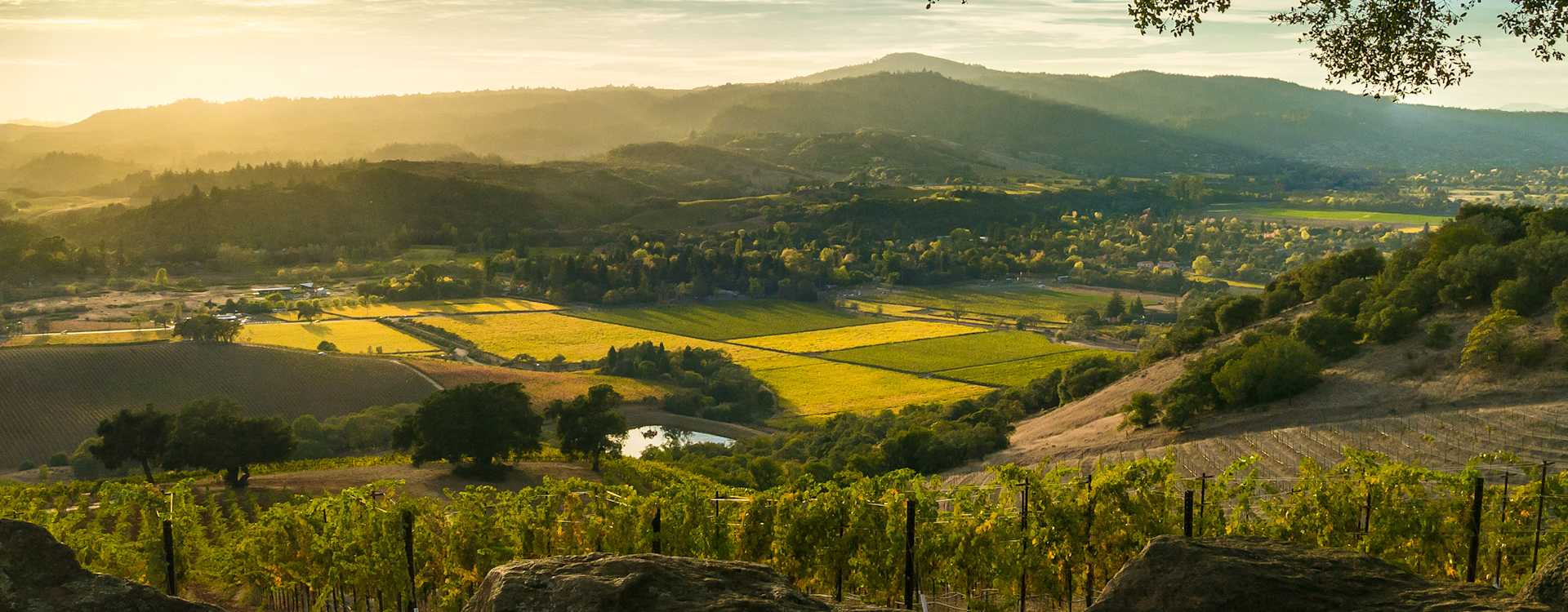
On the far western edge of the larger Sonoma Coast appellation, the Fort Ross-Seaview AVA hugs right up against the Pacific coast. Vineyards, planted at rugged elevations between 920 to 1,800 feet, occupy only two percent of the total land in the AVA. Fort Ross-Seaview growers believe that the region boasts an ideal mix of sunshine, cool air and beneficial stress for producing high quality Chardonnay and Pinot noir.