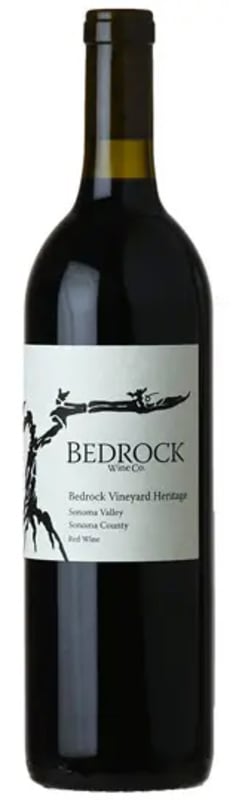


Winemaker Notes
Professional Ratings
-
Jeb Dunnuck
Officially certified regeneratively organic, with Tablas Creek among their few peers in this category, the 2024 Bedrock Vineyard Heritage Wine comes from the original vineyard where everything began for them. More reserved aromatically at first, it slowly reveals red fruits, mint, saline minerality, and brilliant mouthwatering acidity. Structured and detailed, it has excellent length and should age beautifully.
-
James Suckling
Such an interesting wine. Leads with robust, just-ripe wild berries, crushed dried flowers and dried herbs. Medium-bodied and structured with a silky mid-palate followed by mineral tension. Changes every time you go back to the glass. The finish is long, flavorful and vibrant.
-
Robert Parker's Wine Advocate
The 2024 Bedrock Vineyard Heritage comes from vines planted in 1888; the vineyard was Regenerative Organic Certified in 2025. A blend of around 62% Zinfandel, 19% Carignan, 10% Mourvèdre and a small portion of more than 20 other varieties that are interplanted in the vineyard, it has slowly blossoming scents of peach, blueberry, bitter orange, rooibos tea, earth and iron-like undertones. The full-bodied palate is bursting with pure, detailed flavors. It’s structured by firm, suede-textured tannins and vibrant acidity and has a long, elegant finish.
-
Vinous
The 2024 Bedrock Heritage Wine is a powerful, deep wine. Muscular contours and dark, enveloping fruit shape this virile, almost somber Zinfandel-based field blend. The 2024 needs time to soften, but it is also not quite as massive as some previous vintages, which is a positive. The overall direction at the Bedrock estate vineyard has been impressive of late. For years, I have asked myself if this site has the potential to make wines of the same level as some of the neighboring properties.
-
Wine Spectator
Potent in structure and brooding at the core but plump with personality, offering blackberry and currant flavors accented by bitter chocolate, dark Asian spice and licorice tones as this builds tension and tannins on the finish. Hands off for now. Zinfandel, Carignan and Mourvèdre.
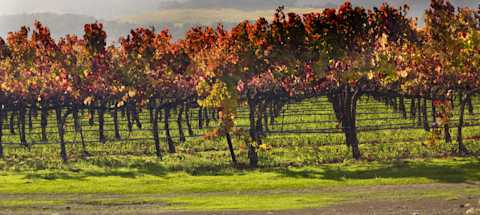
The winery’s objectives are:
To channel the fruit of ancient vines into powerful, elegant, and distinctly Californian wines.
To spread the gospel of Syrah in California by sourcing fruit from great terroirs throughout the North Coast.
To proclaim the greatness of Sonoma Valley Cabernet Sauvignon by sparing no expense on wines of uniqueness and personality.
To reclaim rose’ from the excesses of saignee and focus on precision, delicacy, aromatics, and food friendliness.
To make fascinating and quixotic white wines from unique sites and interesting varietals.
To dream big but keep production low!

With hundreds of red grape varieties to choose from, winemakers have the freedom to create a virtually endless assortment of blended red wines. In many European regions, strict laws are in place determining the set of varieties that may be used, but in the New World, experimentation is permitted and encouraged resulting in a wide variety of red wine styles. Blending can be utilized to enhance balance or create complexity, lending different layers of flavors and aromas. For example, a red wine blend variety that creates a fruity and full-bodied wine would do well combined with one that is naturally high in acidity and tannins. Sometimes small amounts of a particular variety are added to boost color or aromatics. Blending can take place before or after fermentation, with the latter, more popular option giving more control to the winemaker over the final qualities of the wine.
How to Serve Red Wine
A common piece of advice is to serve red wine at “room temperature,” but this suggestion is imprecise. After all, room temperature in January is likely to be quite different than in August, even considering the possible effect of central heating and air conditioning systems. The proper temperature to aim for is 55° F to 60° F for lighter-bodied reds and 60° F to 65° F for fuller-bodied wines.
How Long Does Red Wine Last?
Once opened and re-corked, a bottle stored in a cool, dark environment (like your fridge) will stay fresh and nicely drinkable for a day or two. There are products available that can extend that period by a couple of days. As for unopened bottles, optimal storage means keeping them on their sides in a moderately humid environment at about 57° F. Red wines stored in this manner will stay good – and possibly improve – for anywhere from one year to multiple decades. Assessing how long to hold on to a bottle is a complicated science. If you are planning long-term storage of your reds, seek the advice of a wine professional.
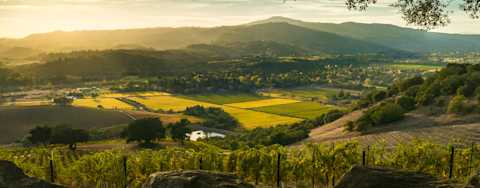
Perhaps the most historically significant appellation in Sonoma County, the Sonoma Valley is home to both Buena Vista winery, California's oldest commercial winery, and Gundlach Bundschu winery, California's oldest family-run winery.
It is also one of the more geologically and climactically diverse districts. The valley includes and overlaps four distinct Sonoma County sub-appellations, including Carneros, Moon Mountain District, Sonoma Mountain and Bennett Valley. With mountains, benchlands, plains, abundant sunshine and the cooling effects of the nearby Pacific, this appellation can successfully produce a wide range of grape varieties. Pinot Noir, Chardonnay, Cabernet Sauvignon, Gewürztraminer, and most notably, Zinfandel all thrive here. Ancient Zinfandel vines over 100 years old produce small crops of concentrated, spicy fruit, which in turn make some of the Valley's most unique wines. These can also be made as “field blends” (wines made from a mix of grape varieties grown in the same vineyard) along with Petite Sirah, Carignan and Alicante Bouschet.