


Winemaker Notes
Blend: 78% Zinfandel, 9% Petite Sirah, 6% Teroldego, 5% Malbec, 2% other select varieties.
Professional Ratings
-
Tasting Panel
Based on a California Republic Proclamation from 1846, this wine offers a nod to Sonoma’s place in history. It was the location for the Bear Flag Revolt, a fight for Californian independence. We see this as a great representation from one of the state’s best growing regions for this variety. With 78% Zinfandel, 9% Petite Sirah, 6% Teroldego, 5% Malbec, and 2% other varieties, the majority of the fruit hails from Dry Creek Valley. With classic Zin aromas of peppered nettle and blueberry tart, the palate is rich, dense, and forward. This plucky Zin shows brightness, with a rustic, textured mouthfeel.
-
Wine Spectator
Plump and piquant, with expressive blackberry and orange zest aromas and lots of personality, accenting smoky cracked pepper and black olive flavors that build toward zesty tannins. Drink now through 2022
-
Wilfred Wong of Wine.com
COMMENTARY: If there was ever a wine concept that embodies what the wild, wild West was all about, the Bear Flag Zinfandel has captured that idea as good as any winery could have. The 2015 vintage—my first look ever at this winery's wines—takes berry extraction and the fine line to stay balance to the next level. TASTING NOTES: Deep in color; shows a powerful array of berries—raspberries, blueberries, and blackberries, stays long and full on the palate and finishes with a lush roundness. Pair its rich flavors with an oven-baked pork tenderloin topped with a fruit compote. (Tasted: February 8, 2018, San Francisco, CA)
-
Wine Enthusiast
This wine pays homage to a historic revolt in Sonoma in 1846. Waves of dark cherry and vanilla surround a strong core of integrated oak and supple texture in this well-made wine. Ripe, full-bodied and well-balanced, this wine will please many a palate with ease.


Unapologetically bold, spice-driven and jammy, Zinfandel has secured its title as the darling of California vintners by adapting well to the state's diverse microclimates and landscapes. Born in Croatia, it later made its way to southern Italy where it was named Primitivo. Fortunately, the imperial nursery of Vienna catalogued specimens of the vine, and it later made its way to New England in 1829. Parading the true American spirit, Zinfandel found a new home in California during the Gold Rush of 1849. Somm Secret—California's ancient vines of Zinfandel are those that survived the neglect of Prohibition; today these vines produce the most concentrated, ethereal and complex examples.
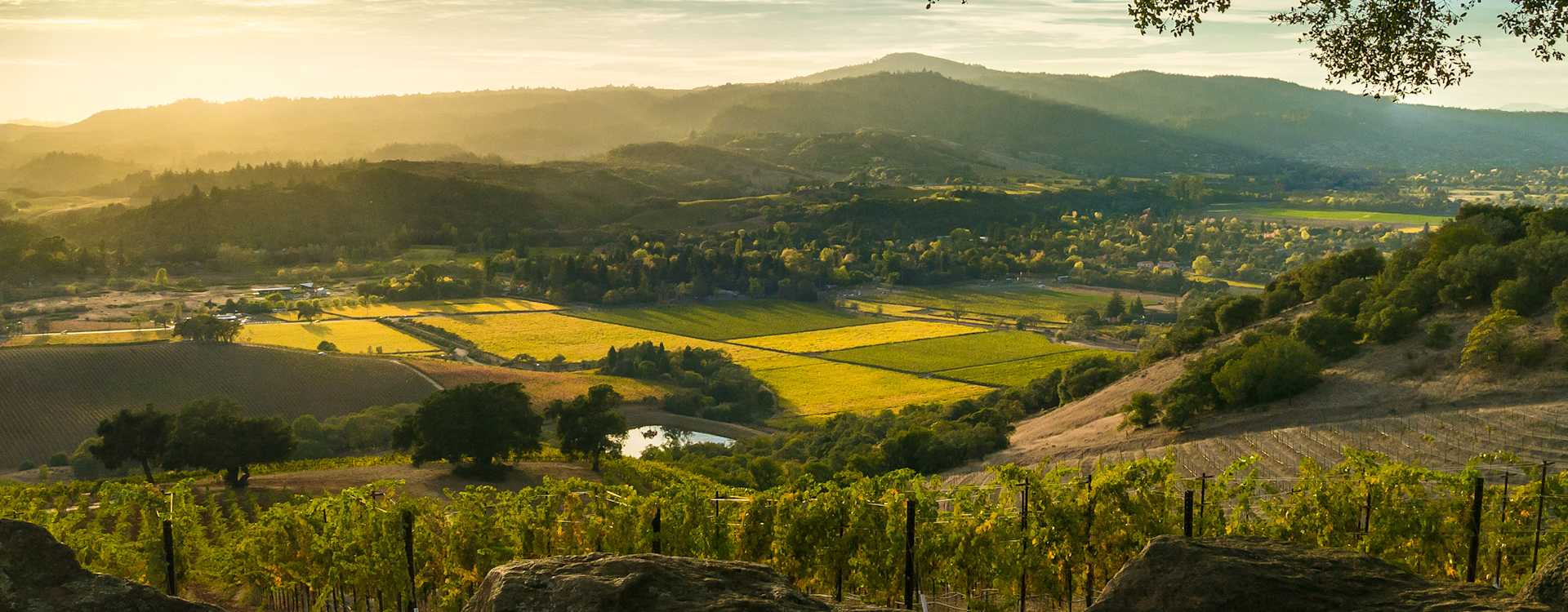
Home to a diverse array of smaller AVAs with varied microclimates and soil types, Sonoma County has something for every wine lover. Physically twice as large as Napa Valley, the region only produces about half the amount of wine but boasts both tremendous quality and variety. With its laid-back atmosphere and down-to-earth attitude, the wineries of Sonoma are appreciated by wine tourists for their friendliness and approachability. The entire county intends to become a 100% sustainable winegrowing region by 2019.
Sonoma County wines are produced with carefully selected grape varieties to reflect the best attributes of their sites—Dry Creek Valley’s consistent sunshine is ideal for Zinfandel, while the warm Alexander Valley is responsible for rich, voluptuous red wines like Cabernet Sauvignon. Chardonnay and Pinot Noir are important throughout the county, most notably in the cooler AVAs of Russian River, Sonoma Coast and Carneros. Sauvignon Blanc, Merlot and Syrah have also found a firm footing here.