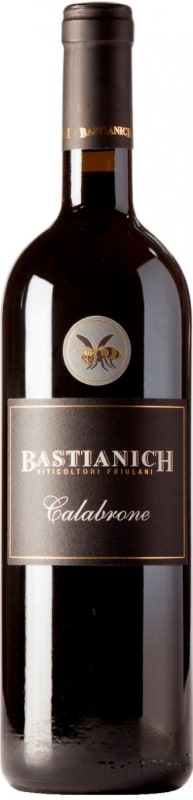


Winemaker Notes
The color immediately excites: a deep, dark, inky black, impenetrable but nevertheless as vivid and bright as ever. The nose is an extract of overripe duron, wilted red flowers, sweet spices and chocolate, distant hints of tobacco and cocoa. In the mouth its residual sugar initially misleads, giving very soft and sweet sensations. Sensations that instead disappear in the tasting phase by virtue of its very high acidity and tannic charge of incredible extraction. The finish is dry, warm, enveloping.
A wine of contrasts, which loves to be drunk alone or, alternatively, with game meats from long cooking, with salmi or civet, with the great aged cheeses of the Italian tradition.
Professional Ratings
-
James Suckling
Very rich, dark-fruited character here with chocolate, graphite, dried mushrooms and wet asphalt. Full-bodied, serious and structured with very fine tannins, that are firm and last for minutes. Shows subtle notes of sea shell and iodine. Long finish. A blend of refosco and merlot. Drink or hold.
-
Wine Spectator
An elegant, medium- to full-bodied red, with fine-grained tannins and a spicy, mineral-laced underpinning enmeshed with a dark core of crushed black currant and blackberry fruit. Long and fragrant, with hints of milled pepper, Mediterranean scrub and hot stone accenting the ripe fruit and lingering finish. Refosco and Merlot.
-
Wine Enthusiast
Black plum compote, macerated cherries, vanilla, clove, anise and tobacco fill the glass of this unique Friulian wine made from a portion of dried grapes. Rich and mouthfilling, the wine takes control of the palate with an intense start that mellows as it finds its path with spiced dark fruits, earth and savory herbs on the elegant finish. Drink 2025–2035.


With hundreds of red grape varieties to choose from, winemakers have the freedom to create a virtually endless assortment of blended red wines. In many European regions, strict laws are in place determining the set of varieties that may be used, but in the New World, experimentation is permitted and encouraged resulting in a wide variety of red wine styles. Blending can be utilized to enhance balance or create complexity, lending different layers of flavors and aromas. For example, a red wine blend variety that creates a fruity and full-bodied wine would do well combined with one that is naturally high in acidity and tannins. Sometimes small amounts of a particular variety are added to boost color or aromatics. Blending can take place before or after fermentation, with the latter, more popular option giving more control to the winemaker over the final qualities of the wine.
How to Serve Red Wine
A common piece of advice is to serve red wine at “room temperature,” but this suggestion is imprecise. After all, room temperature in January is likely to be quite different than in August, even considering the possible effect of central heating and air conditioning systems. The proper temperature to aim for is 55° F to 60° F for lighter-bodied reds and 60° F to 65° F for fuller-bodied wines.
How Long Does Red Wine Last?
Once opened and re-corked, a bottle stored in a cool, dark environment (like your fridge) will stay fresh and nicely drinkable for a day or two. There are products available that can extend that period by a couple of days. As for unopened bottles, optimal storage means keeping them on their sides in a moderately humid environment at about 57° F. Red wines stored in this manner will stay good – and possibly improve – for anywhere from one year to multiple decades. Assessing how long to hold on to a bottle is a complicated science. If you are planning long-term storage of your reds, seek the advice of a wine professional.

The source of some of Italy’s best and most distinctive white wines, Friuli-Venezia Giulia is where Italian, Germanic and Slavic cultures converge. The styles of wines produced in this region of Italy's far north-east reflect this merging of cultures. Often shortened to just “Friuli,” the area is divided into many distinct subzones, including Friuli Grave, Colli Orientali del Friuli, Collio Goriziano and Carso. The flat valley of Friuli Grave is responsible for a large proportion of the region’s wine production, particularly the approachable Pinot grigio and the popular Prosecco. The best vineyard locations are often on hillsides, as in Colli Orientali del Friuli or Collio. In general, Friuli boasts an ideal climate for viticulture, with warm sunny days and chilly nights, which allow grapes to ripen slowly and evenly.
In Colli Orientali, the specialty is crisp, flavorful white wine made from indigenous varieities like Friulano (formerly known as Tocai Friulano), Ribolla gialla and Malvasia Istriana.
Red wines, though far less common here, can be quite good, especially when made from the deeply colored, rustic Refosco variety. In Collio Goriziano, which abutts Slovenia, many of the same varieties are planted. International varieties like Merlot, Cabernet Sauvignon, and Cabernet Franc are also common, but they tend to be Loire-like in style with herbaceous character and mellow tannins. Carso’s star grape is the red Teranno, notable for being rich in iron content and historically consumed for health purposes. It has an earthy, meaty profile and is often confused with the distinct variety Refosco.