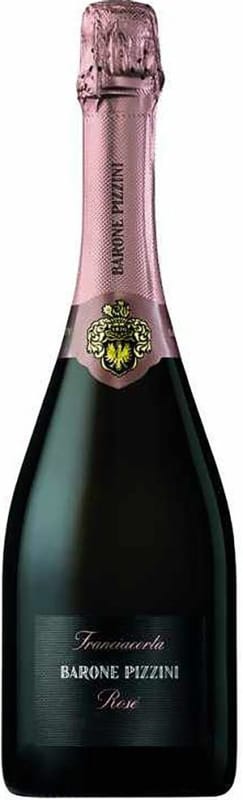


Winemaker Notes
Franciacorta's layered geological formations boast complex microclimates. Wines are defined by both a sub-Alpine and Mediterranean-type climate due to the proximity of Lake Iseo. In the forest protected vineyards of Pinot Nero, aspects of coolness during the day contributes to highly developed floral and fruit aromas. Ancient moraine is fertile and well-drained, contributing to more delicate spice and fruit flavors.
Rosé is succulent and savory, with more weight on the palate without density. One can think of it as a red wine more than a white at the table. The body is substantial to take a range of meats, from cured to the rare, such as tartare.
Blend: 80% Pinot Nero, 20% Chardonnay
Professional Ratings
-
Vinous
The 2019 Rosé Franciacorta Edizione is remarkably pretty, with red florals and white cherries complemented by sweet spice. It soothes with its silky bubbles and juicy acidity as citrus-tinged pit fruits swirl throughout. This finishes perfumed and with admirable length while the palate thirsts for another taste. Disgorged: March 12, 2023.
-
Wine Spectator
A fragrant sparkler, with generous floral and spice notes winding through ripe cherry and strawberry fruit flavors. Balanced and zesty on the palate, with a pleasing bitter hint of pink grapefruit peel on the finish.


What are the different types of sparkling rosé wine?
Rosé sparkling wines like Champagne, Prosecco, Cava, and others make a fun and festive alternative to regular bubbles—but don’t snub these as not as important as their clear counterparts. Rosé Champagnes (i.e., those coming from the Champagne region of France) are made in the same basic way as regular Champagne, from the same grapes and the same region. Most other regions where sparkling wine is produced, and where red grape varieties also grow, also make a rosé version.
How is sparkling rosé wine made?
There are two main methods to make rosé sparkling wine. Typically, either white wine is blended with red wine to make a rosé base wine, or only red grapes are used but spend a short period of time on their skins (maceration) to make rosé colored juice before pressing and fermentation. In either case the base wine goes through a second fermentation (the one that makes the bubbles) through any of the various sparkling wine making methods.
What gives rosé Champagne and sparkling wine their color and bubbles?
The bubbles in sparkling wine are formed when the base wine undergoes a secondary fermentation, which traps carbon dioxide inside the bottle or fermentation vessel. During this stage, the yeast cells can absorb some of the wine’s color but for the most part, the pink hue remains.
How do you serve rosé sparkling wine?
Treat rosé sparkling wine as you would treat any Champagne, Prosecco, Cava, and other sparkling wine of comparable quality. For storing in any long-term sense, these should be kept at cellar temperature, about 55F. For serving, cool to about 40F to 50F. As for drinking, the best glasses have a stem and a flute or tulip shape to allow the bead (bubbles) and beautiful rosé hue to show.
How long do rosé Champagne and sparkling wine last?
Most rosé versions of Prosecco, Champagne, Cava or others around the “$20 and under” price point are intended for early consumption. Those made using the traditional method with extended cellar time before release (e.g., Champagne or Crémant) can typically improve with age. If you are unsure, definitely consult our Customer Care team for guidance.

Containing an exciting mix of wine producing subregions, Lombardy is Italy’s largest in size and population. Good quality Pinot noir, Bonarda and Barbera have elevated the reputation of the plains of Oltrepò Pavese. To its northeast in the Alps, Valtellina is the source of Italy’s best Nebbiolo wines outside of Piedmont. Often missed in the shadow of Prosecco, Franciacorta produces collectively Italy’s best Champagne style wines, and for the fun and less serious bubbly, find Lambrusco Mantovano around the city of Mantua. Lugana, a dry white with a devoted following, is produced to the southwest of Lake Garda.