

Winemaker Notes
Recommended pairings include creamy cheeses, rich Italian dishes, tri-tip, and meatballs.
Professional Ratings
-
Wine Enthusiast
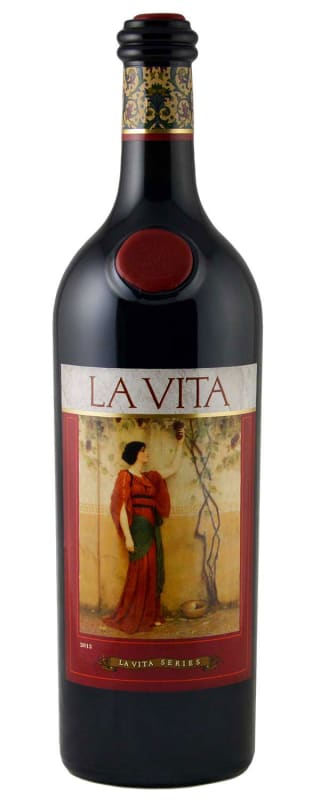
Rich aromas of baked black plum meet with hibiscus, mint and a perfume-like lavender oil on the nose of this blend of 41% Dolcetto, 33% Refosco and 26% Nebbiolo. It's very flavorful yet not heavy on the palate, with crushed blueberry, gravel and lilac flavors. The vibrant acidity will allow these elements to converge in years to come. Drink 2018–2028.
Cellar Selection


With hundreds of red grape varieties to choose from, winemakers have the freedom to create a virtually endless assortment of blended red wines. In many European regions, strict laws are in place determining the set of varieties that may be used, but in the New World, experimentation is permitted and encouraged resulting in a wide variety of red wine styles. Blending can be utilized to enhance balance or create complexity, lending different layers of flavors and aromas. For example, a red wine blend variety that creates a fruity and full-bodied wine would do well combined with one that is naturally high in acidity and tannins. Sometimes small amounts of a particular variety are added to boost color or aromatics. Blending can take place before or after fermentation, with the latter, more popular option giving more control to the winemaker over the final qualities of the wine.
How to Serve Red Wine
A common piece of advice is to serve red wine at “room temperature,” but this suggestion is imprecise. After all, room temperature in January is likely to be quite different than in August, even considering the possible effect of central heating and air conditioning systems. The proper temperature to aim for is 55° F to 60° F for lighter-bodied reds and 60° F to 65° F for fuller-bodied wines.
How Long Does Red Wine Last?
Once opened and re-corked, a bottle stored in a cool, dark environment (like your fridge) will stay fresh and nicely drinkable for a day or two. There are products available that can extend that period by a couple of days. As for unopened bottles, optimal storage means keeping them on their sides in a moderately humid environment at about 57° F. Red wines stored in this manner will stay good – and possibly improve – for anywhere from one year to multiple decades. Assessing how long to hold on to a bottle is a complicated science. If you are planning long-term storage of your reds, seek the advice of a wine professional.

A rugged and topographically diverse cool-climate appellation with a rich history, the Santa Cruz Mountains AVA stretches from Half Moon Bay, just south of San Francisco, to the northern border of Monterey County. Elevations range from 800 feet to upwards of 3,000 and microclimates vary substantially depending on which side of the mountains the vineyards lie; cool ocean winds and fog play an important role here. This can be a challenging region in which to grow grapes, but it is well worth the effort. Santa Cruz Mountains wines are noted for balanced acidity levels, often showing great aging potential. Wine has been made here since the 1800s, most notably from the legendary Ridge Vineyards, whose Monte Bello vineyard garners international admiration.
Pinot Noir, Chardonnay and Cabernet Sauvignon are the stars of this region, while Merlot and Zinfandel also perform quite well. Organic and sustainable vineyard practices are becoming increasingly common.