


Winemaker Notes
The Baileyana Firepeak Chardonnay is bright and complex, smooth and balanced with refined acid structure and a nice creamy finish. This wine is created from a noteworthy Edna Valley vineyard affectionately named "Firepeak" after the chain of extinct volcanoes that once ruled the area where grapes now grow. The volcanic remnants in the soil combine with clay loam and rocky marine sediment to create an ideal environment for making remarkable Chardonnay.
Professional Ratings
-
Decanter
Sappy, fresh and lemony with a hint of melon, and pretty aromas touched with Digestive biscuit sweetness and warmth.
-
Wine Enthusiast
Dried lemon peel and sandalwood lead into earthier tones of damp forest logs and struck match on the nose of this bottling. There's a tight, linear texture to the palate, where ashy and chalky flavors meet with light oak and seared pineapple.
-
Wine Spectator
Well-spiced, with a backbone of sea salt and savory herbal accents to the dried white fruit and berry flavors. Buttered toast notes on the firm finish. Drink now through 2024. 5,578 cases made.


One of the most popular and versatile white wine grapes, Chardonnay offers a wide range of flavors and styles depending on where it is grown and how it is made. While it tends to flourish in most environments, Chardonnay from its Burgundian homeland produces some of the most remarkable and longest lived examples. California produces both oaky, buttery styles and leaner, European-inspired wines. Somm Secret—The Burgundian subregion of Chablis, while typically using older oak barrels, produces a bright style similar to the unoaked style. Anyone who doesn't like oaky Chardonnay would likely enjoy Chablis.
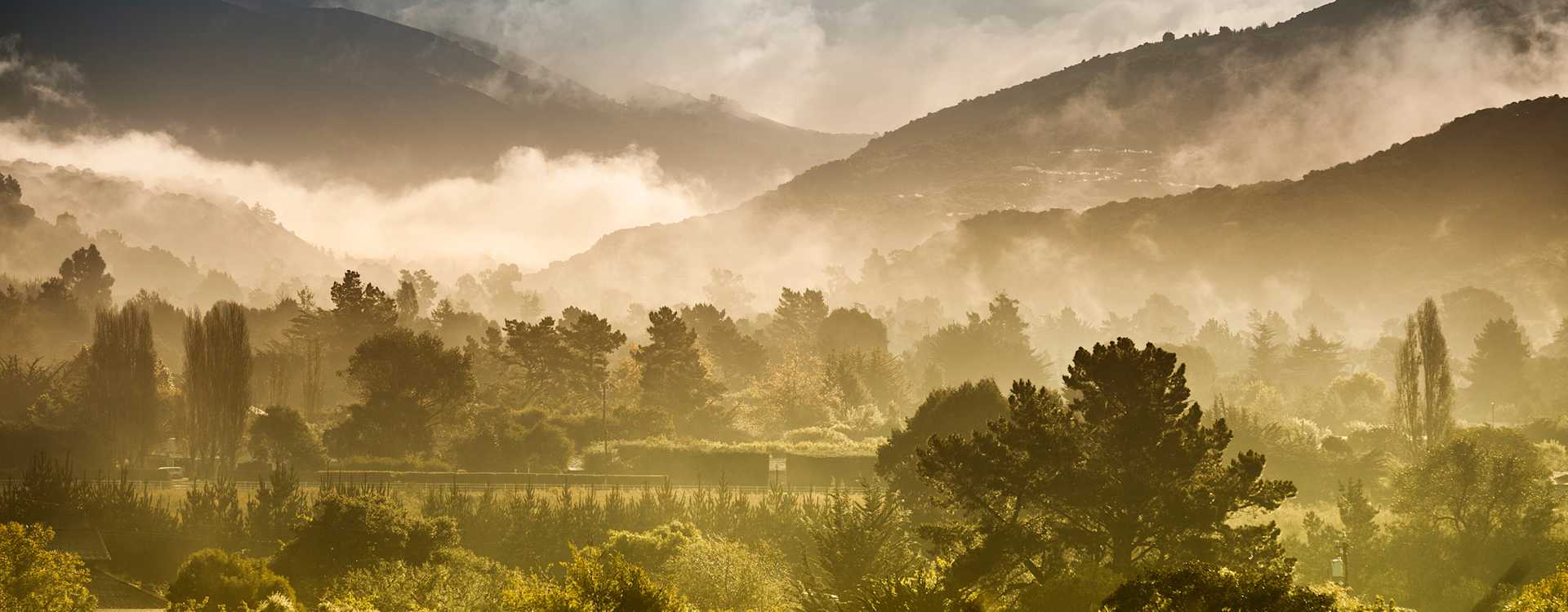
California’s coolest wine growing area, Edna Valley excels in the production of high quality Central Coast wines like Pinot noir, Chardonnay, Rhône Blends and aromatic white wines. It has a cool Mediterranean climate and an incredibly long growing season, giving late-ripening varieties plenty of opportunity to develop great phenolic complexity.
Its northwest to southeast orientation creates a direct path for cool Pacific air and fog to penetrate the valley from the Los Osos and Morro Bay area inwards. Low hillsides of both calcareous and volcanic soils are home to much of the vineyard acreage of the Edna Valley.