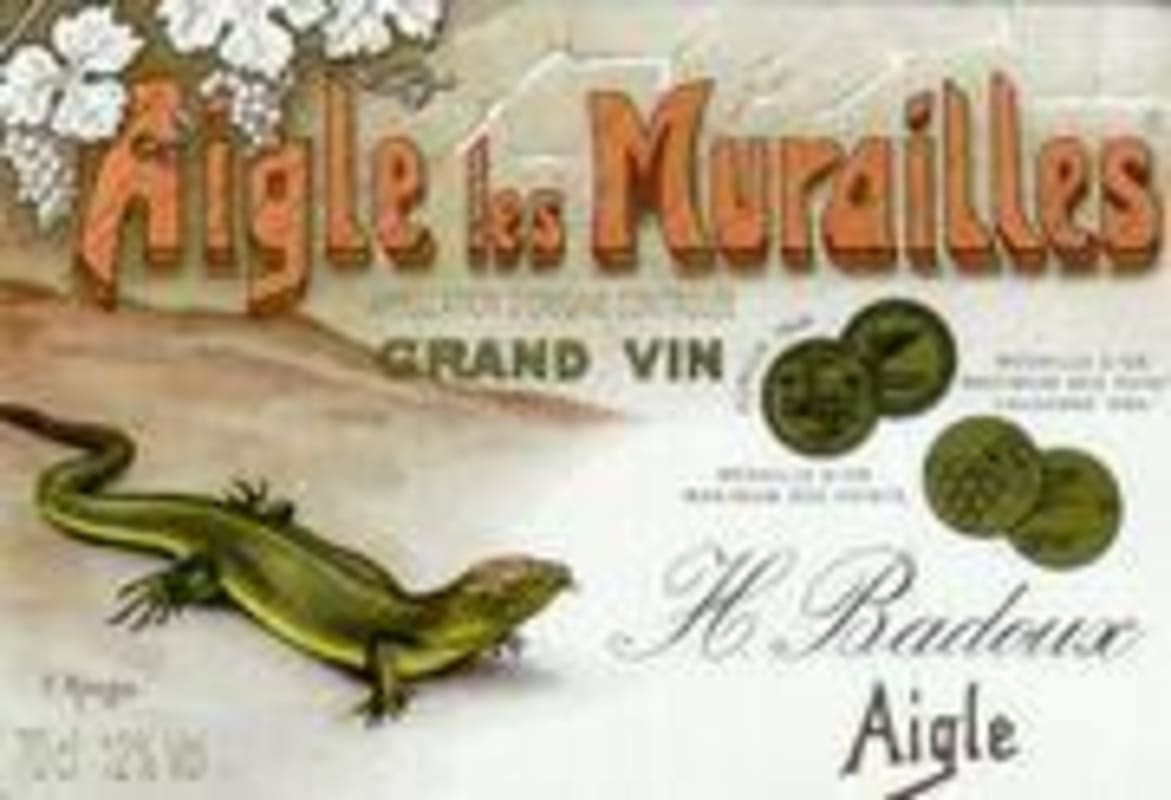

Winemaker Notes
Backing onto the foothills of the Alps, this superb vineyard towers majestically into the sky. The steepness of its terraces seems to defy the laws of equilibrium, ensuring generous isolation and maximum drainage. Fœhn winds and warm breezes slide between the vinestocks right up to the time when the grapes are perfectly ripe: beyond the reach of the damp air and mists of autumn, the grapes receive maximum protection from rot. The excellent condition and ripeness of the grape- allied to yield limitation are the two keys to the quality of Aigle "Les Murailles" and its reputation as the supreme wine of Vaud.

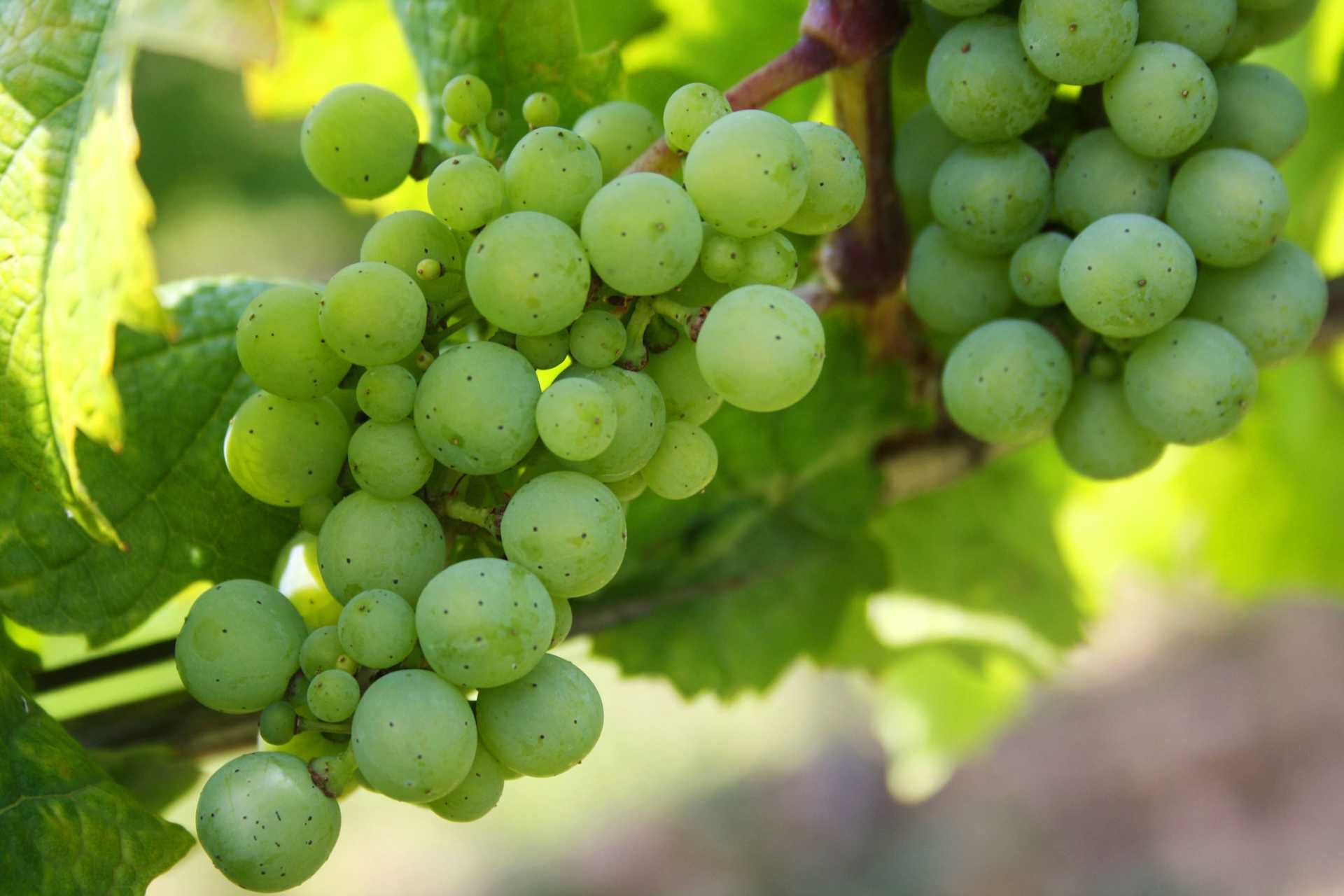
With hundreds of white grape varieties to choose from, winemakers have the freedom to create a virtually endless assortment of blended white wines. In many European regions, strict laws are in place determining the set of varieties that may be used in white wine blends, but in the New World, experimentation is permitted and encouraged. Blending can be utilized to enhance balance or create complexity, lending different layers of flavors and aromas. For example, a variety that creates a soft and full-bodied white wine blend, like Chardonnay, would do well combined with one that is more fragrant and naturally high in acidity. Sometimes small amounts of a particular variety are added to boost color or aromatics. Blending can take place before or after fermentation, with the latter, more popular option giving more control to the winemaker over the final qualities of the wine.

Enhancing quality and diversity of wine grapes in recent years after the Swiss government lifted import controls on wine, Switzerland is beginning to gain some ground aside its European neighbors. While its main variety is the white Chasselas, more than half of Switzerland’s wine production is red. The country has 15,000 ha of vineyards mainly in the cantons of Geneva, Neuchâtel, Ticino, Valais and Vaud.