

Winemaker Notes
Professional Ratings
-
Robert Parker's Wine Advocate
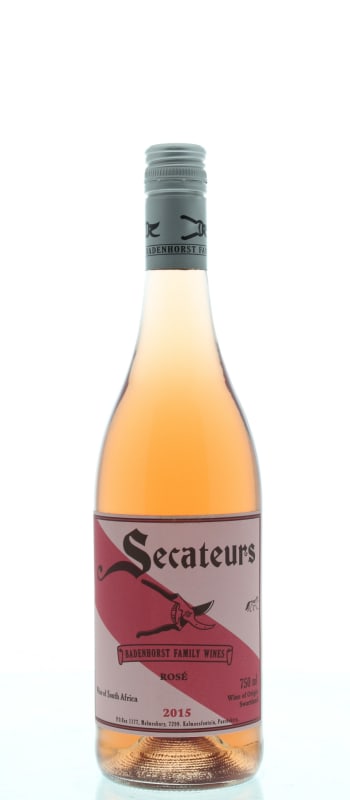
The 2015 Secateurs Rosé is a blend of 50% Cinsault, 48% Shiraz, and a pinch of Grenache and Carignan. It has a heady, very perfumed vanilla-tinged nose that reminds me of the strawberry macaroons I buy from Merignac airport when I leave Bordeaux (they are delicious incidentally). The palate is more reserved than the nose suggests with crisp acidity and impressive weight. The wine is still a generous and flavor-packed Rosé that retains control and delineation right to the finish. This is an excellent Rosé from Adi Badenhorst.

Whether it’s playful and fun or savory and serious, most rosé today is not your grandmother’s White Zinfandel, though that category remains strong. Pink wine has recently become quite trendy, and this time around it’s commonly quite dry. Since the pigment in red wines comes from keeping fermenting juice in contact with the grape skins for an extended period, it follows that a pink wine can be made using just a brief period of skin contact—usually just a couple of days. The resulting color depends on grape variety and winemaking style, ranging from pale salmon to deep magenta.

Literally meaning "the black land," Swartland takes its name from the endangered, indigenous "renosterbos" (translating to rhino bush), which used to be plentiful enough to turn the entire landscape a dark color certain during times of year. The district, attracting some of the most adventurous and least interventionist winemakers, excels in robust and full-bodied reds as well as quality fortified wines.