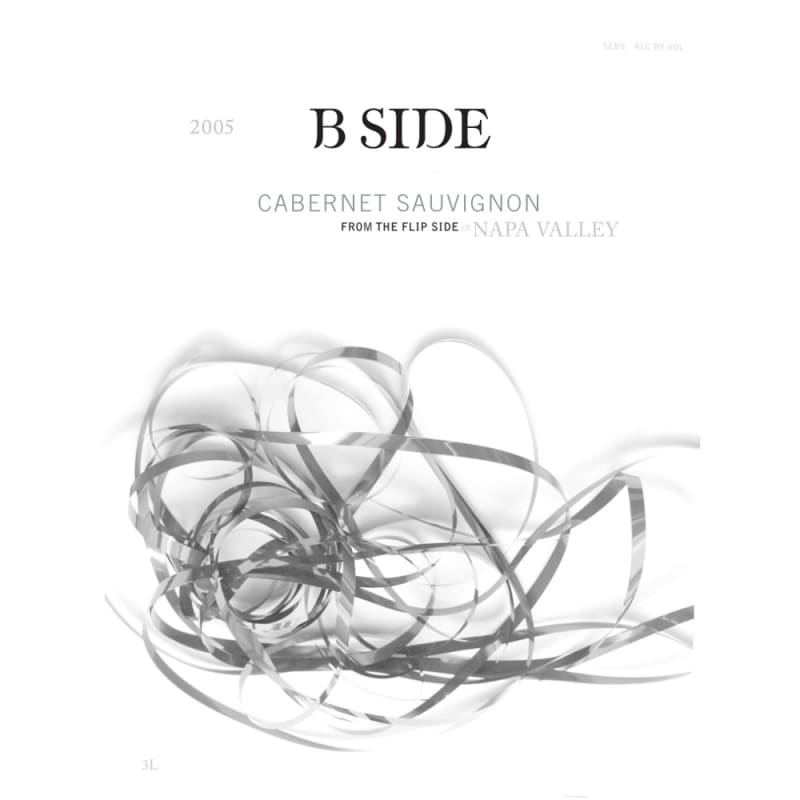

Winemaker Notes
The eastern side of Napa Valley includes areas such as Pope Valley, Chiles Valley, Wooden Valley, Stags Leap District and lower Calistoga. Vines in these areas, are grown in thin, volcanic soils, which yield smaller, more concentrated fruit, producing Bordeaux-style Cabernet Sauvignons with classic berry and cassis flavors.
For the 2005 vintage, these growing areas benefited from outstanding harvest conditions. According to the Napa Valley Vintner's, "Warm, nearly perfect conditions arrived with an Indian Summer making for a later than average harvest, providing winemakers with fruit with extended hang and ultimately realizing excellent sugar development and balanced acids..."
This dark brick red colored wine has classic Bordeaux aromas of currant and ripe plum with pencil lead and earthy, clay notes followed by scents of new leather and black olives. The palate is very supple with a core of cassis and black cherry fruit, layered with hints of wild strawberry and yellow plum. The finish is silky with refined French oak flavors intermingled with vanilla and subtle oak char.
Professional Ratings


One of the most prestigious wines of the world capable of great power and grace, Napa Valley Cabernet is a leading force in the world of fine, famous, collectible red wine. Today the Napa Valley and Cabernet Sauvignon are so intrinsically linked that it is difficult to discuss one without the other. But it wasn’t until the 1970s that this marriage came to light; sudden international recognition rained upon Napa with the victory of the Stag’s Leap Wine Cellars 1973 Cabernet Sauvignon in the 1976 Judgement of Paris.
Cabernet Sauvignon undoubtedly dominates Napa Valley today, covering half of the land under vine, commanding the highest prices per ton and earning the most critical acclaim. Cabernet Sauvignon’s structure, acidity, capacity to thrive in multiple environs and ability to express nuances of vintage make it perfect for Napa Valley where incredible soil and geographical diversity are found and the climate is perfect for grape growing. Within the Napa Valley lie many smaller sub-AVAs that express specific characteristics based on situation, slope and soil—as a perfect example, Rutherford’s famous dust or Stags Leap District's tart cherry flavors.