


Winemaker Notes
Light straw with notes of green around the rim. On the nose, tropical but intensely maritime, with pineapple and passion fruit interwoven with seaweed, wet stone and sea spray. Salty and intensely mineral driven on the palate, with a surprising depth of fruit that is balanced by the minerality and focused acidity through the middle.
Blend: 50% Arinto dos Açores, 50% Verdelho
Professional Ratings
-
Robert Parker's Wine Advocate
The 2019 Branco Vulcânico is mostly Arinto dos Açores, with 15% Verdelho. It is unoaked and comes in at 11.6% alcohol. Bright and a little mouth puckering, this is another nice performance—and for a bit less money. It is just beautiful, and it holds its own pretty well with the regular Arinto, which seems fairly similar in style. Elegant, fresh and lively, it dances across the tongue with a light touch in terms of weight, but it enlivens the palate with its acidity. There's a hint of spice on the finish. It's probably the least concentrated of the whites this issue, but its lively demeanor makes it enticing. This blend is a relatively good value point in the lineup. There were 19,154 bottles produced.
-
Wine Enthusiast
This blend of Arinto and Verdelho is rich, hinting now at toastiness while retaining plenty of taut fruitiness. Ripe and full of complex layers of flavors, the wine is ready to drink.

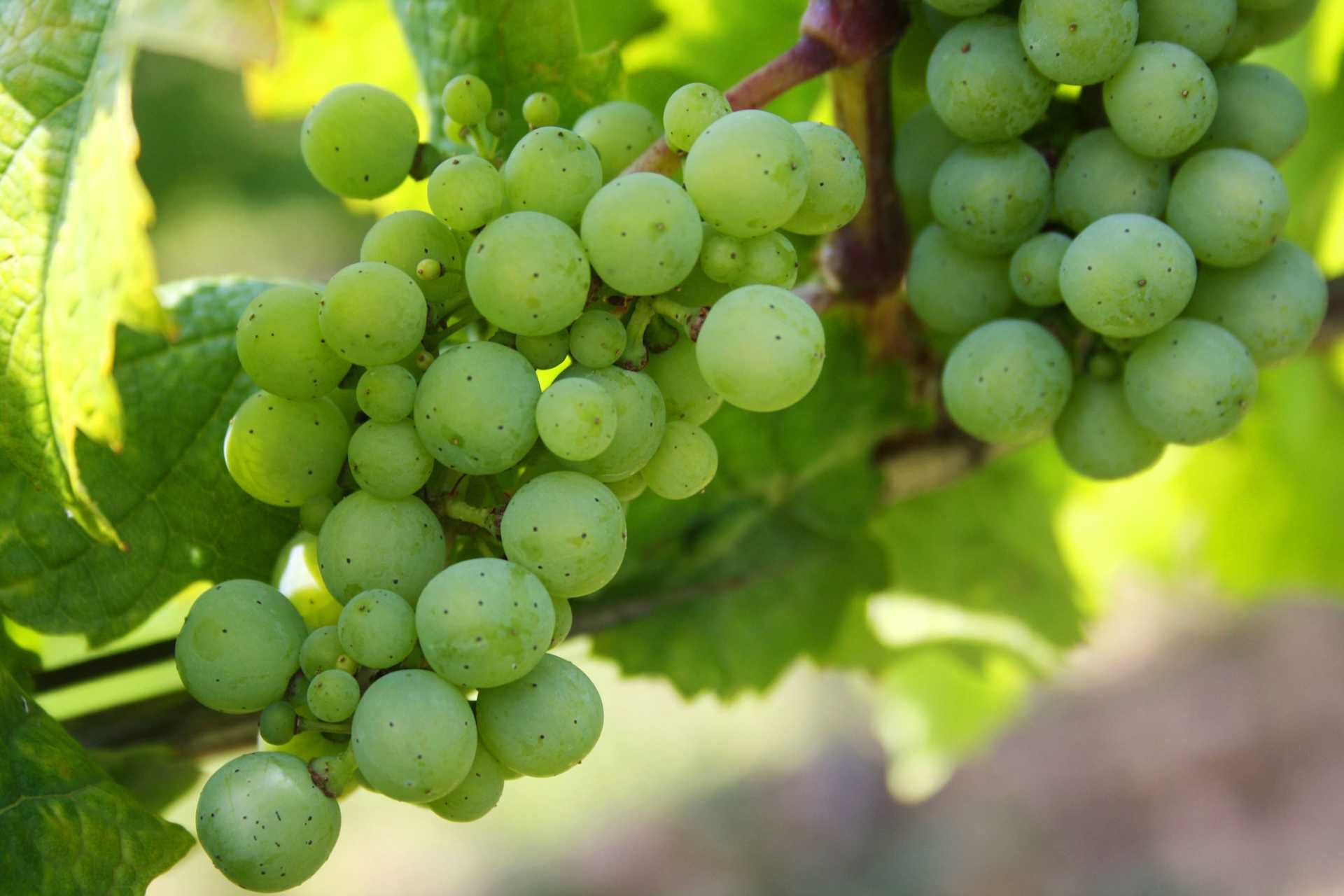
With hundreds of white grape varieties to choose from, winemakers have the freedom to create a virtually endless assortment of blended white wines. In many European regions, strict laws are in place determining the set of varieties that may be used in white wine blends, but in the New World, experimentation is permitted and encouraged. Blending can be utilized to enhance balance or create complexity, lending different layers of flavors and aromas. For example, a variety that creates a soft and full-bodied white wine blend, like Chardonnay, would do well combined with one that is more fragrant and naturally high in acidity. Sometimes small amounts of a particular variety are added to boost color or aromatics. Blending can take place before or after fermentation, with the latter, more popular option giving more control to the winemaker over the final qualities of the wine.

Best known for intense, impressive and age-worthy fortified wines, Portugal relies almost exclusively on its many indigenous grape varieties. Bordering Spain to its north and east, and the Atlantic Ocean on its west and south coasts, this is a land where tradition reigns supreme, due to its relative geographical and, for much of the 20th century, political isolation. A long and narrow but small country, Portugal claims considerable diversity in climate and wine styles, with milder weather in the north and significantly more rainfall near the coast.
While Port (named after its city of Oporto on the Atlantic Coast at the end of the Douro Valley), made Portugal famous, Portugal is also an excellent source of dry red and white Portuguese wines of various styles.
The Douro Valley produces full-bodied and concentrated dry red Portuguese wines made from the same set of grape varieties used for Port, which include Touriga Nacional, Tinta Roriz (Spain’s Tempranillo), Touriga Franca, Tinta Barroca and Tinto Cão, among a long list of others in minor proportions.
Other dry Portuguese wines include the tart, slightly effervescent Vinho Verde white wine, made in the north, and the bright, elegant reds and whites of the Dão as well as the bold, and fruit-driven reds and whites of the southern, Alentejo.
The nation’s other important fortified wine, Madeira, is produced on the eponymous island off the North African coast.