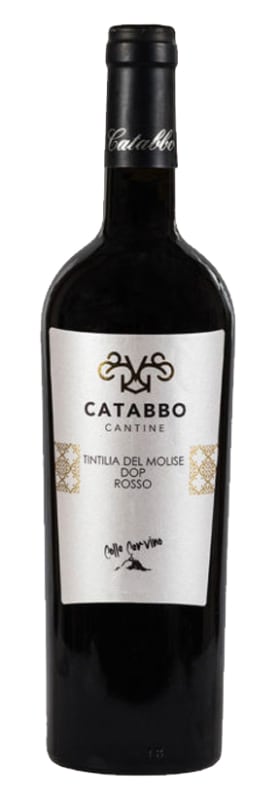


Winemaker Notes
#75 Wine Spectator Top 100 of 2023
The ruby red with reflections bordering on orange, does not let light easily pass through, allowing the sense of smell to detect the first signs. Slowly emerges undisputed the ripe red fruit note, which features cherry, accompanied by light and elegant vegetal notes with a dried flowers and licorice ending. The taste is warm and soft with tannin that has already reached its elegance, despite it being well tamed; sensations of licorice and spices may be recalled, and in the long lasting ending we reach a hint of a chocolate with cherry liqueur.
Professional Ratings
-
Wine Spectator
A bright and juicy red pierced with an aromatic thread of wild herbs and milled pepper, plus flavors of crushed black raspberry, plum sauce and tar-tinged mineral structured by light, taut tannins.


Beyond the usual suspects, there are hundreds of red grape varieties grown throughout the world. Some are indigenous specialties capable of producing excellent single varietal wines, while others are better suited for use as blending grapes. Each has its own distinct viticultural characteristics, as well as aroma and flavor profiles, offering much to be discovered by the curious wine lover. In particular, Portugal and Italy are known for having a multitude of unique varieties but they can really be found in any region.

This mountainous region south of Abruzzo comes in second after Valle d’Aosta as Italy’s smallest and least populated region. Wine production is largely reserved for cooperatives with the main varieties as Montepulciano d’Abruzzo and Trebbiano d’Abruzzo. Plantings of grape varieties from its neighboring region of Campania—whites Fiano and Greco di tufo and the red, Aglianico—have increased recently.