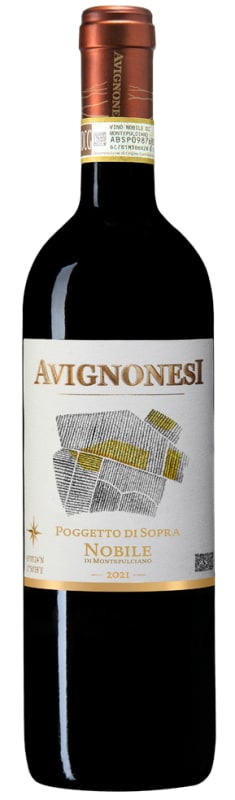


Winemaker Notes
Professional Ratings
-
James Suckling
Beautiful nose with impressive concentration and clarity, offering red berries, mulberries, exotic spices, crushed hazelnuts and hints of iodine, wet undergrowth and chocolate. Compact, focused and balanced, with a medium to full body and refined, well-integrated tannins that run the length of the wine, leading to a seamless, fine-textured finish. Well crafted, broad and long but not overwhelming. Drink or hold.
-
Wine Spectator
Spicy cherry and raspberry fruit is accented by iron and wild herbs in this succulent red. Dense, assertive tannins ply the long, burly finish. There’s a core of ripe fruit, so be patient. Best from 2028 through 2043.
-
Wine Enthusiast
The nose is floral, but also savory and saline, with aromas of violets, mandarin blossoms, crushed rocks, tar and red plum skin. The palate sweetens with sugar plums, Mission figs and candied orange peel, while structure comes from smooth yet grippy tannins and very lively acid.


Among Italy's elite red grape varieties, Sangiovese has the perfect intersection of bright red fruit and savory earthiness and is responsible for the best red wines of Tuscany. While it is best known as the chief component of Chianti, it is also the main grape in Vino Nobile di Montepulciano and reaches the height of its power and intensity in the complex, long-lived Brunello di Montalcino. Somm Secret—Sangiovese doubles under the alias, Nielluccio, on the French island of Corsica where it produces distinctly floral and refreshing reds and rosés.

This significant Tuscan village—not to be confused with the red grape of the same name widely grown in Abruzzo and the Marche regions—was home to one of the first four Italian DOCGs granted in 1980.
Based on the Sangiovese grape (here called Prugnolo Gentile), the village’s prized wine called Vino Nobile di Montepulciano ranks stylistically in between Chianti Classico, for its finesse, and Brunello di Montalcino for its power. With a deep ruby color, heavy concentration and a firm structure given by the village's heavy, cool clay soils, most Vino Nobile di Montepulciano will demand some bottle age.