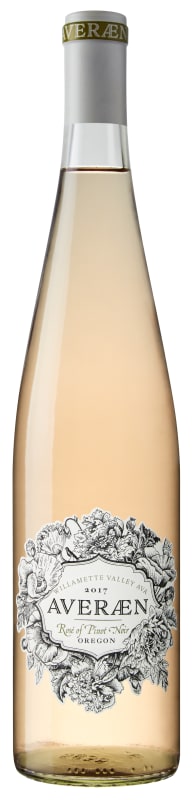


Winemaker Notes
You know that band of still-pink-but-almost-to-the-white watermelon flesh next to the rind? Think that with a drop of citrus and some pomegranate tang. Don't let the pale color fool you -- this Rose is packed with intoxicating aromas and complexity on its lithe body.




The seed for Averæn was planted when Baron, Noah & Steve from Banshee Wines in Sonoma attended IPNC in the Willamette Valley in 2013 as a featured winery with Banshee Wines (their Sonoma winery). They were sitting around a campfire talking about the similarities between the cold and foggy Sonoma Coast and the various sub-appellations of the Willamette Valley. Cold winds that funnel from the Pacific Ocean through low-lying gaps in the coastal mountain ranges (Van Duzer Corridor in Oregon and Petaluma Wind Gap in Sonoma); a mix of marine sedimentary and volcanic influenced soils; micro-terroirs. The similarities were shocking. They saw the potential to make wine at the very highest level, from top vineyard sites, all at a cost that was 25% less than what they were experiencing in the Sonoma Coast. Oregon reminded them of where the Sonoma Coast was 10-15 years ago. Still finding its way in terms of consistency, but when done right, way over-delivering. The quality was there in a big way, but the prices were still so reasonable.
Over the next two years, they established themselves in Oregon – developing relationships with growers, locking in grape contracts, and finding a great custom crush partner (with lots of small fermenters – a winemakers dream!). In 2016, they released their first wine – the only wine of the vintage – 2015 Willamette Valley Pinot Noir, sourced from eight vineyards across the appellation. It was an instant success nationally both in the press with 91 points out of the gate from Vinous as well as with fine wine retailers and restaurants.
Today they continue to dial in their vineyard sourcing, establishing long term contracts and relationships with a stable of top-notch growers. In addition to the Willamette Valley Pinot Noir, which represents over 75% of their production, they have expanded to new varieties (Chardonnay and Riesling), added Rose to the mix, and elevated their game to include the Flood Line (“reserve”) range, and a limited selection of four-barrel single-vineyard wines.

Whether it’s playful and fun or savory and serious, most rosé today is not your grandmother’s White Zinfandel, though that category remains strong. Pink wine has recently become quite trendy, and this time around it’s commonly quite dry. Since the pigment in red wines comes from keeping fermenting juice in contact with the grape skins for an extended period, it follows that a pink wine can be made using just a brief period of skin contact—usually just a couple of days. The resulting color depends on grape variety and winemaking style, ranging from pale salmon to deep magenta.

One of Pinot Noir's most successful New World outposts, the Willamette Valley is the largest and most important AVA in Oregon. With a continental climate moderated by the influence of the Pacific Ocean, it is perfect for cool-climate viticulture and the production of elegant wines.
Mountain ranges bordering three sides of the valley, particularly the Chehalem Mountains, provide the option for higher-elevation vineyard sites.
The valley's three prominent soil types (volcanic, sedimentary and silty, loess) make it unique and create significant differences in wine styles among its vineyards and sub-AVAs. The iron-rich, basalt-based, Jory volcanic soils found commonly in the Dundee Hills are rich in clay and hold water well; the chalky, sedimentary soils of Ribbon Ridge, Yamhill-Carlton and McMinnville encourage complex root systems as vines struggle to search for water and minerals. In the most southern stretch of the Willamette, the Eola-Amity Hills sub-AVA soils are mixed, shallow and well-drained. The Hills' close proximity to the Van Duzer Corridor (which became its own appellation as of 2019) also creates grapes with great concentration and firm acidity, leading to wines that perfectly express both power and grace.
Though Pinot noir enjoys the limelight here, Pinot Gris, Pinot Blanc and Chardonnay also thrive in the Willamette. Increasing curiosity has risen recently in the potential of others like Grüner Veltliner, Chenin Blanc and Gamay.