

Winemaker Notes



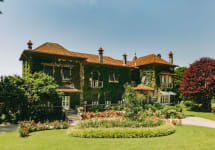
Aveleda is a name which spans several generations. The first records of the sale of bottled wine date back to 1870, with Manuel Pedro Guedes (1837-1899), known for his strong enterprising spirit and believed to be the founder of the business as we know it today. His work bore fruit and the quality of the Aveleda wines started to be recognised, as the gold medals won in the international competitions in Berlin (1888) and Paris (1889) attest.
Today the Guedes family still owns 100% of the company, always committed to maintaining this family legacy which spans several generations. The son of Manuel Pedro Guedes, Fernando Guedes da Silva da Fonseca (1871-1946) continued his father's work, significantly increasing the production capacity at the Estate. He had seven children and it was Roberto Van-Zeller Guedes (1899-1966) who led the family business, dedicating his whole life to working at Aveleda. The 4th generation includes the six children of Roberto Van-Zeller Guedes: Fernando, Luís, António, Maria Isabel, Maria Helena and Roberto – who today manage the company's future, together with the following generation: 14 cousins who make up the fifth generation.
Aveleda became a Certified B Corporation in 2024.

Dating back to the late 18th century, Loureiro is native to Iberian Peninsula, grown mostly within the Minho region, though has flourished currently into neighboring Galicia. It produces a dry, high-toned, crisp white wine, redolent with aromas of white flowers and bay leaves. The grape is essential to the production of Portugeuse Vinho Verde and white blends of the Spanish region Rias Baixas. Somm Secret—The word Loureiro means “laurel” in Portugeuse, conveying the wine’s bay leaf aromatics.

A cheerful, translucid, lemon-yellow and slightly pétillant white wine, Vinho Verde literally means ‘green wine’ and is named after the northwest Portugese region from which it originates. The ‘green’ in the name refers to the youthful state in which the wines are customarily released and consumed, not the color of the wine.
It is typically a blend of various percentages of Alvarinho, Loureiro, Trajadura, and Pedernã (Arinto). Following initial alcoholic fermentation, a natural, secondary malolactic conversion in cask produces carbon dioxide, giving Vinho Verde its charmingly light sparkle.