

Winemaker Notes
Revealing obvious tropical fruit in its exotic, hedonistic personality, the 2005 Chardonnay Ritchie Vineyard is the least intellectual wine of this group. Nevertheless, there is plenty going on in this brioche, hazelnut, smoke, and honeyed citrus-filled Chardonnay. It is a gorgeously tart, well-defined, full-bodied white.
Professional Ratings
-
Robert Parker's Wine Advocate
While Mark Aubert no longer produces wines from the famed Ritchie vineyard, in the past it produced a fantastic string of classic Aubert-style, age-worthy Chardonnays from 30+-year-old Old Wente clone vines. The 2005 Chardonnay Ritchie Vineyard has a bright, lemon-gold color with a slightly green tinge at the rim. The nose is beautifully perfumed, featuring jasmine and honeysuckle notes over a core of apple pie, poached pears and chalk dust with hints of praline and croissant. The palate is rich, decadently oily with tons of seductive apple and spice layers and a racy line, finishing very long and complex. Aging at a glacial pace, this Chardonnay still has a good decade of cellaring left at least! This wine was tasted from magnum, sourced directly from Aubert's library cellar.
-
Wine Spectator
Beautifully crafted, this is rich, intense and focused, with a complex mix of ripe, vibrant green apple, pear, melon and spice, picking up a subtle honeyed edge on the finish.


One of the most popular and versatile white wine grapes, Chardonnay offers a wide range of flavors and styles depending on where it is grown and how it is made. While it tends to flourish in most environments, Chardonnay from its Burgundian homeland produces some of the most remarkable and longest lived examples. California produces both oaky, buttery styles and leaner, European-inspired wines. Somm Secret—The Burgundian subregion of Chablis, while typically using older oak barrels, produces a bright style similar to the unoaked style. Anyone who doesn't like oaky Chardonnay would likely enjoy Chablis.
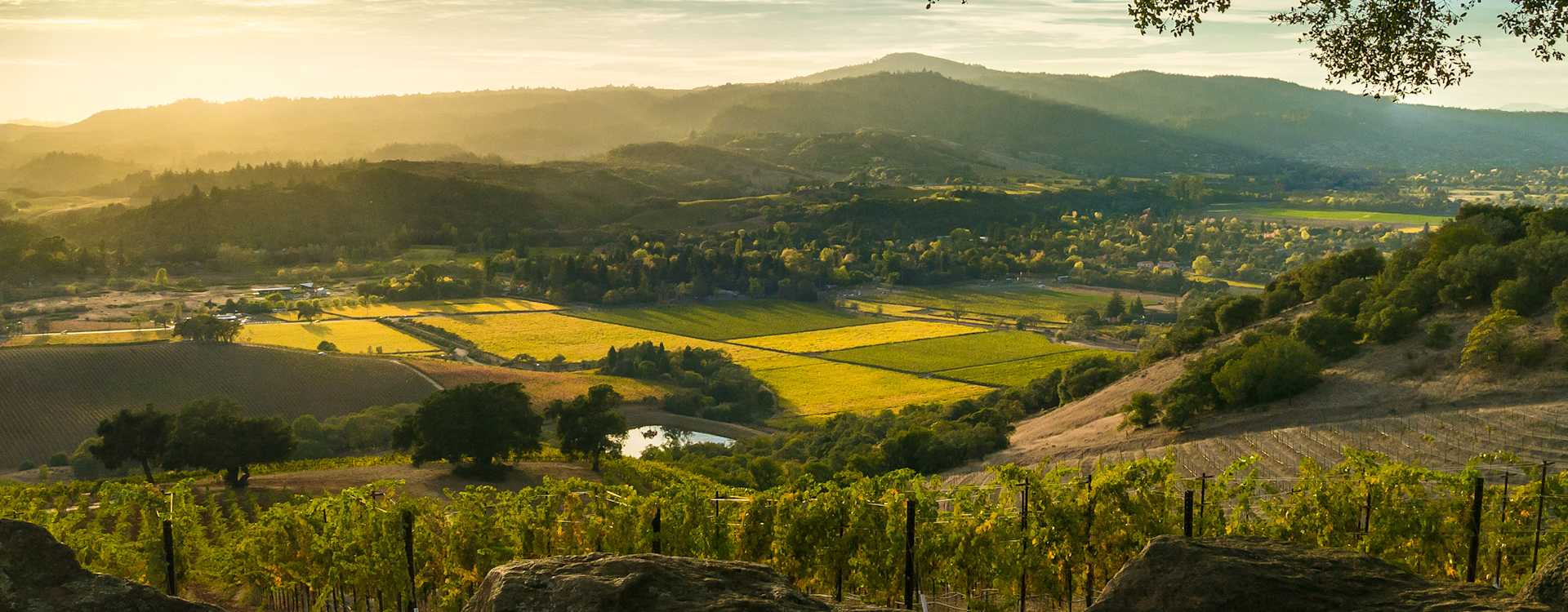
Home to a diverse array of smaller AVAs with varied microclimates and soil types, Sonoma County has something for every wine lover. Physically twice as large as Napa Valley, the region only produces about half the amount of wine but boasts both tremendous quality and variety. With its laid-back atmosphere and down-to-earth attitude, the wineries of Sonoma are appreciated by wine tourists for their friendliness and approachability. The entire county intends to become a 100% sustainable winegrowing region by 2019.
Sonoma County wines are produced with carefully selected grape varieties to reflect the best attributes of their sites—Dry Creek Valley’s consistent sunshine is ideal for Zinfandel, while the warm Alexander Valley is responsible for rich, voluptuous red wines like Cabernet Sauvignon. Chardonnay and Pinot Noir are important throughout the county, most notably in the cooler AVAs of Russian River, Sonoma Coast and Carneros. Sauvignon Blanc, Merlot and Syrah have also found a firm footing here.