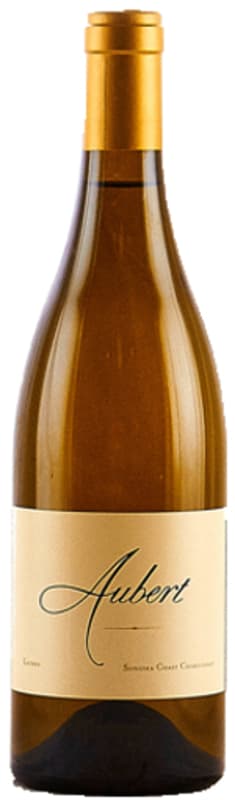


Winemaker Notes
Professional Ratings
-
James Suckling
A very flashy white with so much toasted-oak and coconut, cooked-apple and peach character. Full-bodied, dense and very rich. Lots of fruit and intensity at the end. So much lime and kiwi in the aftertaste. Gorgeous. Rating: 98-99
-
Robert Parker's Wine Advocate
The first vintage of this wine, the 2017 Chardonnay Powder House comes from eight acres of what are now estate-owned vines planted in 2013, to Hyde Old Wente and Mt. Eden clones on Goldridge soils. The vineyard is located in downtown Forestville, right across from the high school. At 15.4% alcohol, like Aubert’s other single-vineyard, singular Chardonnays, this baby is no shrinking violet. Although it is a little youthfully closed to begin, it unwinds with coaxing to offer glimpses at baked apple, poached pears, peach preserves and pineapple upside-down cake plus hints of praline, crème brûlée and clover honey. Full-bodied, the palate features a wicked backbone of freshness, beautifully lifting all those concentrated, densely packed flavors, finishing very long and wonderfully pure. Rating: 97+


One of the most popular and versatile white wine grapes, Chardonnay offers a wide range of flavors and styles depending on where it is grown and how it is made. While it tends to flourish in most environments, Chardonnay from its Burgundian homeland produces some of the most remarkable and longest lived examples. California produces both oaky, buttery styles and leaner, European-inspired wines. Somm Secret—The Burgundian subregion of Chablis, while typically using older oak barrels, produces a bright style similar to the unoaked style. Anyone who doesn't like oaky Chardonnay would likely enjoy Chablis.

A vast appellation covering Sonoma County’s Pacific coastline, the Sonoma Coast AVA runs all the way from the Mendocino County border, south to the San Pablo Bay. The region can actually be divided into two sections—the actual coastal vineyards, marked by marine soils, cool temperatures and saline ocean breezes—and the warmer, drier vineyards further inland, which are still heavily influenced by the Pacific but not quite with same intensity.
Contained within the appellation are the much smaller Fort Ross-Seaview and Petaluma Gap AVAs.
The Sonoma Coast is highly regarded for elegant Pinot Noir, Chardonnay, and, increasingly, cool-climate Syrah. The wines have high acidity, moderate alcohol, firm tannin, and balanced ripeness.