


Winemaker Notes
Intricate aromas of floral jasmine and cherry blossom harmoniously intertwined with a comforting palate of warm nutmeg and lemon cream. Upon aeration, hints of citron and kumquat emerge, adding depth to the experience. The palate reveals creamy layers of pie crust and macadamia nut, perfectly balanced by the wine’s tight acidity and minerality.
Blend: 50% Pinot Gris, 45% Pinot Blanc, 5% Aligoté
Professional Ratings
-
Jeb Dunnuck
Smelling like a terrific white Burgundy, the 2022 Hildegard is based on 50% Pinot Gris, 45% Pinot Blanc, and 5% Aligoté aged 16 months in new French oak. Ripe stone fruits, brioche, toasted almond, and some sappy herb notes all define the aromatics, and it hits the palate with medium-bodied richness, a focused, concentrated mouthfeel, nicely integrated acidity, and a great finish. It's a serious white that deserves a classy meal. I’d drink bottles over the coming 4-5 years, but certainly wouldn’t be surprised to see it have an interesting evolution beyond that as well.
-
James Suckling
Mineral, with a quiet floral lift alongside the warmth of new French oak. Punchy acidity maintains a lively yet textural palate, where hazelnuts anchor apricots, hard pears, lemons and limes.
-
Robert Parker's Wine Advocate
Always a singular highlight in the Au Bon Climat portfolio, the 2022 Hildegard recreates the 19th-century layout of Corton-Charlemagne, blending Pinot Gris and Pinot Blanc (from Bien Nacido) with Aligoté (from Le Bon Climat). Its maturation in 100% new barrels provides a rich, toasty opulence that remains impressively classy and composed, layered with vanilla pod, toasted hazelnut and flinty flourishes. The palate unfolds as expected with a glossy, full-bodied and decadent profile, energized by a lively backbone of minerality that offers drive and persistence.

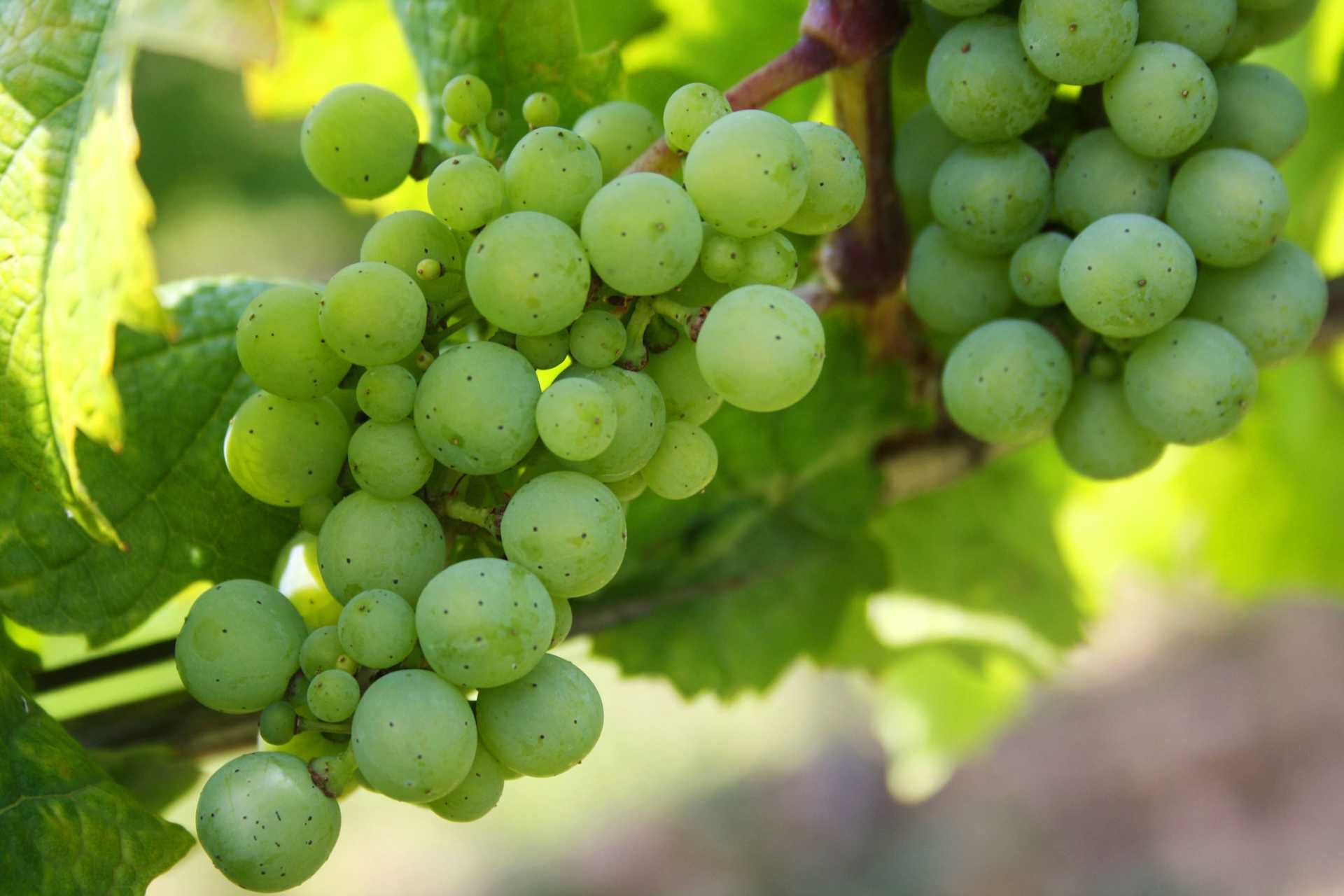
With hundreds of white grape varieties to choose from, winemakers have the freedom to create a virtually endless assortment of blended white wines. In many European regions, strict laws are in place determining the set of varieties that may be used in white wine blends, but in the New World, experimentation is permitted and encouraged. Blending can be utilized to enhance balance or create complexity, lending different layers of flavors and aromas. For example, a variety that creates a soft and full-bodied white wine blend, like Chardonnay, would do well combined with one that is more fragrant and naturally high in acidity. Sometimes small amounts of a particular variety are added to boost color or aromatics. Blending can take place before or after fermentation, with the latter, more popular option giving more control to the winemaker over the final qualities of the wine.

A lesser-known but elite AVA within the larger Santa Barbara district, the Santa Maria Valley AVA runs precisely west to east starting near the coast. The valley funnels cool, Pacific Ocean air to the vineyards more inland, allowing grapes a longer hang time to ripen evenly and achieve their full potential by harvest time. Combined with minimal rainfall, consistent warm sunshine, and well-drained soils, it is an ideal environment for grape growing.
Many of the wineries here are small and highly respected, having established a reputation in the 1970s and 80s for producing excellent Central Coast wines like Pinot Noir and Chardonnay. More recently, Syrah has also proven quite successful in the region. Many vineyards are owned by growers who sell their grapes to other wineries, so it is common to see the same vineyard name on bottlings from different wineries. Bien Nacido Vineyard is perhaps the best-known and most prestigious.